
Healthcare costs can destroy your early retirement plans faster than a market crash.
If you’ve built a location-independent life and are using that mobility to live cheaper and better in Southeast Asia, Latin America, or southern Europe, you’ve likely already arbitraged your housing, your daily expenses, and probably your tax situation. But most nomads, flexpats, and even Americans and Europeans who haven’t moved abroad yet ignore the biggest arbitrage opportunity sitting right in front of them: medical care.
The same knee replacement that costs $35,000 in the U.S. could run $7,000 in Thailand with a surgeon holding the same international credentials and educated in the best institutions across the US, Europe, and China, using the same implant brands, but providing better post-op care than you’re likely to get in most American hospitals.
This opportunity to drop your costs while improving the quality of your treatment and comfort during the experience by choosing to have your procedure done in a proven, safe, reliable, and professional global medical hub is medical tourism.
Note: This guide lists the best medical tourism destinations globally. But, to understand how to pick a good medical tourism hospital or doctor, and check accreditation, read the guide that compliments this article: Medical Tourism: A Complete Guide for Flexpats, Nomads, and Geoarbitrage
Medical tourism isn’t about sketchy back-alley clinics or cutting corners on your health. The top medical tourism countries, like Thailand, Panama, Turkey, Mexico, and South Korea, have built entire ecosystems around attracting international patients with JCI-accredited hospitals, English-speaking specialists trained at Johns Hopkins and Mayo Clinic, and outcome statistics that match or beat Western standards. These aren’t budget alternatives. They’re legitimate first-choice destinations that happen to cost 50-80% less.
In my own life abroad, medical tourism is how I’ve maintained top-notch health and top-notch health backup plans, without paying the US premiums or dealing with European medical care wait times. My most recent experience, dental, involved being seen in Thailand for thorough dental preventative care, fixing some issues with a crown, full X-rays, and creating a care plan for the next year, all after messaging them for the first time ever that morning. The experience was better than any in the US; the Harvard Medical degree on the wall made me feel even more comfortable, and the $35 price tag (without dental insurance) was the cherry on top of the experience.
This experience, using medical tourism for dental care, wasn’t my only experience, just the most recent. I’ve had bloodwork, routine care, a surgery, dental reconstruction, and more, and each time I have more faith in the process, as it is always quicker, less painful, and higher quality than in the US. And, again, the cherry on top is that it’s so cost-effective that I’ve always paid cash, and it still ends up being cheaper than US deductibles, not including the monthly/annual premium costs.
If you haven’t moved abroad yet, I highly recommend considering medical tourism to maintain the healthcare you need, without putting your financial goals in jeopardy.
If you have moved abroad and are living the good life as a nomad or flexpat, you need to research, understand, and plan for medical tourism to stay healthier, longer, for cheaper. The longer you maintain fitness and wellness, the more “returns” you’ll get from your life abroad.
So, please, consider medical tourism to live better, for cheaper.
In this article, we’ll briefly cover the 15 countries where the medical tourism infrastructure, specialist expertise, and cost advantages align to give you world-class care at prices that make sense for anyone living the geoarbitrage lifestyle.
Note: This article and nothing in it should be considered medical advice or a personal medical recommendation. It is, however, a starting point for research into options worth considering for geo-arbitraged healthcare via medical tourism. Take this list, research it, and team up with your trusted physician to decide what’s right for you.
Table of Contents
How to Pick a Hub and a Hospital: The Short Version
Every hospital on this list faces the same four-part test. If it passes all four screening criteria, only then does it earn a consultation. If it misses one, move on, no matter how cheap the procedure quote seems. The prospect of saving a few dollars isn’t worth the risk to your health.
- The hospital campus is independently accredited. That means JCI accredits the exact address and facility where you’ll be treated, or the country’s government-recognized accreditor certifies the facility. Both can be checked in a public directory without asking the hospital. Search JCI’s directory here, and search the country’s government-recognized accreditor (listed below).
- The surgeon is verified and vetted. Confirm specialty board certification that you can look up on your own, and confirm a number: how many of your exact procedure the specialist performed in the last twelve months. The best doctors and dentists I’ve used are trained and certified in the US or China and perform multiple procedures daily.
- The track record is long and visible. Look for outcomes and patient feedback from years after the procedure, not just the week after. Patients who return for a second and third procedure, because they trust the provider, are the strongest signal there is.
- The medical tourism hub (country) fits the procedure. No country is best at everything, and the development of medical tourism infrastructure tends to be a coordinated country effort. Thailand wins on recovery stays and check-ups, Turkey on hair and volume dentistry, Korea on cosmetic procedures, precision and screening. Use the quick overview below to match your procedure to a hub.
How to read the certification lines below. Under each hospital, I list the credentials I was able to confirm in a public directory, checked in October 2026. “Listed” means I found the campus in the directory. When a hospital’s own site claims a credential that I could not find, I say so. Run the check yourself before you book, because accreditations renew and lapse.
For the full, in-depth, step-by-step guide to vetting a potential medical tourism hospital and provider, read the complementary article “How to Research and Vet International Healthcare Providers“.

Quick Overview: Consider this place for this procedure…
- Cosmetic: Thailand, Mexico
- Cardiac: India, Thailand, Malaysia, Singapore, Jordan.
- Oncology: South Korea, Singapore, India, Malaysia, Jordan, UAE.
- Dentistry: Hungary, Czech Republic, Turkey, Poland, Mexico, Costa Rica, Colombia, Thailand.
- Fertility: Thailand.
- Check-ups: Thailand, South Korea, Malaysia.
- Vacation packages: Hungary, Costa Rica, Mexico.
Medical Tourism Hubs by Region
ASIA-PACIFIC MEDICAL HUBS
The Asia-Pacific region dominates global medical tourism because these countries didn’t just build hospitals; they built vertically integrated medical ecosystems designed specifically for international patients, and they often happen through public-private partnerships, leveraging education alliances with the US, Canada, Europe, and China.
In medical tourism-centric hospitals throughout Asia, you get dedicated international patient departments, visa coordination, airport pickup, translator services, and recovery hotels built into the hospital campus. The infrastructure runs deeper than in the West because these countries treat medical tourism as a core economic strategy, and a core service within sectors of their hospital system.
These are the most well-reputed medical tourism hubs within Asia:
1. Thailand
Thailand processes over 2.5 million medical tourists annually, making it the most established medical tourism destination on earth, and my personal go-to.
The country initially built its reputation on cosmetic surgery and dental work, but now its real strength lies in orthopedic procedures, cardiac care, and complex oncology treatments. Thai hospitals don’t just meet international standards; many of them set the benchmarks for medical tourism that other countries follow. The cost differential for care in Thailand vs. the West sits between 50-70% below U.S. and European prices, but you’re not getting discount medicine. You’re getting the same prosthetics, the same surgical techniques, and often the same surgeons who trained and practiced in the West before returning home.
Additionally, compared to the cheap but public systems of Canada and Europe, this care is nearly on demand, likely available for an appointment before you’ll actually be able to fly in. I’ve messaged about procedures, and the hospital responded that they could admit the following day.
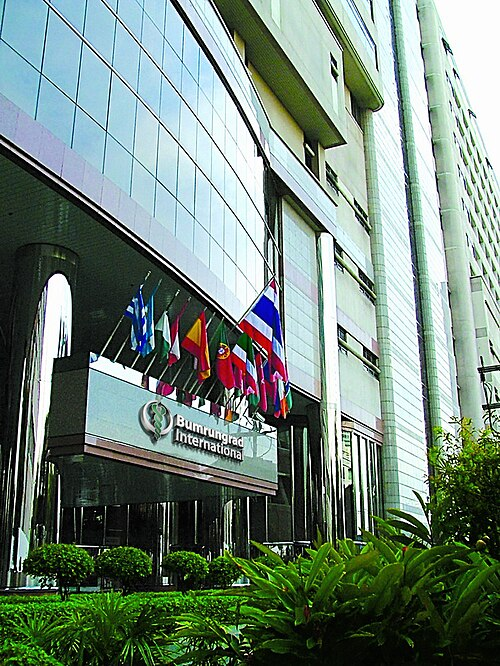
Bangkok leads the medical tourism infrastructure with three flagship hospitals that dominate international rankings. Bumrungrad International Hospital processes over 1.1 million patients yearly, holds JCI accreditation, and maintains specialist departments in 55 different medical fields. The cardiology department performs over 5,000 open-heart surgeries annually with success rates matching the Cleveland Clinic. Bangkok Hospital and Samitivej Hospital round out the top tier in Thailand, both offering similar scale and specialty depth.
Thailand’s most highly recommended medical tourism hospitals:
Bumrungrad International Hospital (Bangkok): Full-spectrum tertiary care with the largest international patient volume in Asia, particularly strong in cardiac surgery, orthopedics, and oncology.
- Certifications: JCI-accredited since 2002 (first in Asia; 7th re-accreditation in 2024); Thailand’s Hospital Accreditation (HA), Advanced HA since 2016; Global Healthcare Accreditation (GHA); CAP (laboratory); JCI Certificates of Distinction for heart failure and breast cancer. DNV/ISO 9001: DNV GL certification reported in 2017.
Bangkok Hospital (Bangkok): 38-location network with centers of excellence in neurosurgery, organ transplantation, and minimally invasive surgery.
- Certifications: JCI: Accredited at Headquarters and 6 branches. (Headquarters listed in JCI’s directory since 2007) Thailand HA with Advanced HA (4th consecutive); CAMTS (medical transport); JCI Certificates of Distinction for type 2 diabetes and acute coronary syndrome. Only select branches carry JCI (Phuket, Pattaya, Hua Hin, Chiang Mai, Ratchasima, Siriroj), not all 38 locations.
Samitivej Hospital (Bangkok): Pediatric care specialist with strong women’s health, fertility, and neonatal intensive care units.
- Certifications: JCI-accredited at Sukhumvit and Srinakarin campuses (both listed in JCI’s directory since 2007). Thai HA status
Chiang Mai Ram Hospital (Chiang Mai): Northern Thailand’s top facility for routine procedures and recovery stays in a lower-cost city.
- Certifications: JCI-accredited (listed in JCI’s directory since 2009). Thai HA status.
These hospitals attract patients because they combine medical excellence with hospitality excellence. Recovery rooms look like five-star hotel suites, nurse-to-patient ratios run 1:4 instead of 1:8, and the discharge process includes detailed follow-up coordination with your home country doctors.
Thailand works best for procedures requiring extended recovery time where you can combine treatment with a comfortable, low-cost stay. Orthopedic surgeries, extensive dental work, cosmetic procedures, and cardiac interventions all benefit from Thailand’s combination of surgical expertise and recovery infrastructure. The country’s medical visa system gives you 90 days with simple extension options, and the hospital’s international departments handle the entire visa coordination process.
Thailand is also great for “check-up and upkeep” treatments. The hospital and clinic sites list full packages for “old man checkups,” and packages of labs and bloodwork, with quick turnaround on results and the option to get the treatments you need done there, or nearby, quickly. Procedures such as TRT become cheap, easy, and painless next steps here. Essentially, all of those components of a good checkup that happens at 30, 40, 50, etc., that are cheap individually but add up to a major dent in your savings account can be done together, cheaply here, as the side quest on a vacation.
2. Singapore
Singapore operates at the opposite end of the price spectrum from Thailand, understandably much costlier as it is one of the wealthiest countries in the world per capita and its residents can afford to pay, but it earns its place on this list by offering the highest medical standards in Asia.
This city-state doesn’t compete on cost. It competes on medical outcomes, precision, and access to cutting-edge treatments not yet approved elsewhere (read: not FDA-approved yet or approved in the West, likely due to bureaucracy, but still subject to Singapore-level scrutiny and professionalism). Prices for medical care in Singapore run 25-40% below the U.S., not the 70% savings you’ll find in Thailand, but Singapore attracts patients who need the absolute highest level of specialized care.
Singapore ranks first globally in healthcare efficiency and first in Asia for medical innovation. When complex cases require experimental treatments, advanced surgical robotics, or rare specialist expertise, Singapore becomes the destination.
Singapore General Hospital anchors the public system with 1,700 beds and the country’s top medical school producing its surgical staff. The private hospital sector, however, dominates medical tourism and will be the option you will look into. Mount Elizabeth Hospital and Gleneagles Hospital both hold multiple international accreditations and maintain specialist departments that rival any facility in Europe or North America.
Singapore’s most highly recommended medical tourism hospitals:
Singapore General Hospital (Singapore): Largest public hospital with advanced oncology, organ transplant, and genomic medicine programs.
- Certifications: JCI accreditation 2005 and 2011, JCI Academic Medical Center 2014; Magnet recognition 2010; CAP (pathology); ISO standards. However, SGH does not appear in JCI’s current directory. Hospital claims Magnet 2010
Mount Elizabeth Hospital (Singapore): Premier private hospital known for cardiac care, neurosurgery, and cancer treatment with proton therapy capabilities.
- Certifications: Ministry of Health Acute Hospital Service Licence, CAP and RCPA laboratory accreditation, RTAC IVF centre accreditation, IASIOS interventional oncology. JCI Gold Seal in Dec 2020 according to IHH Healthcare. DNV/ISO 9001: ISO 9002 certificate from 1994, superseded (historic only).
Gleneagles Hospital (Singapore): Strong in orthopedics, minimally invasive surgery, and women’s health with a dedicated international patient center.
- Certifications: IHH announced a JCI Gold Seal in Dec 2020 (first virtual survey). Ministry of Health licensed.
National University Hospital (Singapore): Research hospital offering access to clinical trials and experimental treatments unavailable elsewhere.
The Singapore advantage is in complex oncology cases, neurological disorders requiring precision surgery, and experimental treatments. The country approved CAR-T cell therapy for certain cancers years before most Asian neighbors, and its medical research infrastructure means patients can access clinical trials for treatments still in development.
Singapore makes sense when medical complexity outweighs cost considerations. If you need a rare specialist, cutting-edge technology, or you’re dealing with a complicated case that’s been bounced between doctors in other countries, Singapore’s concentrated expertise often provides answers other systems can’t. The medical visa process favors long-term stays for treatment, and the city’s English-first environment eliminates language barriers entirely.
3. South Korea
South Korea performs more cosmetic procedures per capita than any nation on earth, and that specialization created a ripple effect across all medical disciplines within the country. The global dominance in cosmetic surgery as a medical tourism specialty led to expanding that infrastructure into comprehensive medical care.
Initially, Korean hospitals invested heavily in patient experience design, surgical precision techniques, and the medical technology that powers them, because their cosmetic surgery patients demanded it. Those same high standards in medical tech and procedural precision are now applied across orthopedics, ophthalmology, oncology, and preventive medicine, packaged in a way that is still just as convenient for medical tourists as the cosmetic surgery treatments they mastered. Seoul’s hospital district in Gangnam operates like a medical Silicon Valley where hospitals continually compete on innovation rather than just cost.
Korean medical pricing sits 30-45% below Western levels, positioning it between Thailand’s budget tier and Singapore’s premium tier. But the real draw isn’t cost savings. It’s access to surgical techniques and technologies that Korean hospitals craft and adopt years before they reached the West. Korean surgeons pioneered many minimally invasive approaches now considered standard globally, and the country’s medical device industry means patients get access to the latest equipment immediately rather than waiting for regulatory approval cycles. Many of the major tech hardware companies you can think of are likely clustered in Korea or accessible in neighboring countries (Japan, Taiwan, China), and the production of and accessibility to the newest medical tech at lower prices than in the West, as well as early mastery in employing it, applies just as much to their medical and health technology sector, powering the high quality of their medical tourism dominance.
South Korea’s most highly recommended medical tourism hospitals:
Samsung Medical Center (Seoul): South Korea’s flagship hospital with 1,900 beds, a comprehensive cancer center, and advanced cardiac care.
- Certifications: Korea Institute for Healthcare Accreditation (KOIHA), the national accreditor.
Asan Medical Center (Seoul): Largest single-campus hospital with 2,700 beds, known for organ transplantation and complex surgery.
- Certifications: JCI, ISO 9001/14001/45001, TEMOS and GHA.
Severance Hospital (Seoul): Oldest Western-style hospital in Korea with a strong robotics surgery program and international healthcare center.
- Certifications: JCI-accredited from 2007 and re-accredited in 2010 (first in Korea), plus KOIHA national accreditation.
Seoul National University Hospital (Seoul): Top research hospital offering experimental treatments and clinical trials.
- Certifications: First hospital accredited by the Korean government. JCI.
These hospitals don’t just perform procedures; they often invent or refine the techniques themselves. Korean ophthalmologists developed several of the LASIK and cataract surgery protocols now used worldwide. Korean orthopedic surgeons created minimally invasive spine surgery approaches that reduced recovery times by 60%.
South Korea excels when you need precision surgical work, advanced diagnostics, or comprehensive health screening. The country’s preventive health check programs are the most thorough available anywhere, often catching conditions years before they’d be diagnosed elsewhere. Cosmetic procedures obviously remain a strength, but orthopedics, ophthalmology, and cancer treatment have matured into equally sophisticated offerings. The medical visa system accommodates both quick procedures and extended treatment stays.
4. Malaysia
Malaysia operates as Southeast Asia’s value alternative to Singapore, delivering near-Singapore quality at closer-to-Thailand prices.
The country’s hospitals recruit heavily from Singapore’s medical talent pool, offering doctors better work-life balance and lower cost of living, allowing hospitals to offer patients 40-65% cost savings compared to Western countries. Most specialists in Kuala Lumpur’s top hospitals are trained in the UK, Australia, Singapore, or China, bringing international credentials and English fluency as standard. The government designated healthcare as a strategic economic sector, creating tax incentives for hospital investment and streamlined medical visa processing that rivals Thailand’s efficiency.
Malaysian medical tourism focused on building depth in specific specialties rather than trying to compete across every medical field. The result is concentrated excellence in fertility treatment, cardiac care, orthopedics, and oncology. Kuala Lumpur and Penang are the two hub cities, and each has developed distinct specialist strengths.
Most highly recommended medical tourism hospitals in Malaysia:
Prince Court Medical Centre (Kuala Lumpur): JCI-accredited hospital with advanced cardiac surgery, oncology, and orthopedics.
- Certifications: MSQH (national), ACHS International oncology services, ISO 15189 laboratory.
Gleneagles Kuala Lumpur: Tertiary care hospital strong in neurology, organ transplantation, and complex surgery.
- Certifications: JCI-accredited; MSQH; ISO 15189 laboratory.
Sunway Medical Centre (Kuala Lumpur): Oncology specialist with PET-CT capabilities and comprehensive cancer treatment programs.
- Certifications: JCI Gold Seal (2024, listed in directory); MSQH; ACHS International since 2014; ESMO Designated Centre of Integrated Oncology and Palliative Care. DNV/ISO 9001: ISO 9001:2000 award in 2003.
Penang Adventist Hospital (Penang): Island location with strong cardiology, orthopedics, and medical check-up programs.
- Certifications: JCI-accredited (listed since Nov 2007, Malaysia’s first JCI hospital); MSQH since 2002.
These facilities built their reputations by targeting specific patient populations. Prince Court focuses on Middle Eastern patients seeking cardiac care. Sunway built Southeast Asia’s most comprehensive cancer treatment center. The hospitals recognized they couldn’t out-cheap Thailand or out-innovate Singapore, so they carved specialist niches instead.
Malaysia works particularly well for fertility treatments, cardiac procedures, and cancer care. The country’s IVF success rates match Western clinics at half the cost, and the cardiac surgery departments perform complex procedures with outcome statistics published in international medical journals. The visa system offers medical tourism visas up to one year for treatment and recovery, and both Kuala Lumpur and Penang provide comfortable, English-friendly environments for extended stays.
5. India
India built the world’s largest medical tourism industry on a foundation of English-speaking doctors, rock-bottom prices, and scale that dwarfs every competitor.
The country performs more cardiac surgeries, orthopedic procedures, and transplants for international patients than any other nation. Costs run 65-80% below Western prices, creating savings so dramatic that insurance companies actively encourage American patients to fly to India for major procedures. But the real story isn’t just cheap healthcare. India’s top hospitals operate at quality levels that surprised Western medical auditors who expected developing-world standards and found tertiary care matching anything in London or Boston.
A thing to be aware of is that the quality gap between India’s top-tier hospitals and its lower-tier facilities runs wider than in most medical tourism destinations, so scrutiny and being selective are extremely necessary if you choose India as your medical tourism destination. The flagship hospitals in major metros deliver world-class care. Smaller cities and lesser-known facilities operate with less consistency. This creates a very heavy pre-research and verification requirement for patients, and the need to not flex on any standard or dismiss any red flag. You need to identify the right hospital and the right specialist rather than assuming all Indian medical care operates at the same level. Do not let cost drive your decision when being selective here.
Most highly recommended medical tourism hospitals in India:
Apollo Hospitals (Chennai, Delhi, Bangalore, Mumbai): India’s largest hospital network with 10,000 beds across 70 locations, strong in cardiac care, transplants, and cancer treatment.
- Certifications: JCI at 8 units only (Chennai, Indraprastha Delhi, Hyderabad, Navi Mumbai, Bannerghatta Bangalore, Ahmedabad, Kolkata, Proton Cancer Centre), NABH at 30 units, NABL on 13 labs (Apollo, 2021 to 2024). Most of the network is not JCI-accredited, so confirm the specific hospital. DNV/ISO 9001: Chennai ISO 9001:2008, first in India.
Fortis Healthcare (Delhi, Mumbai, Bangalore): Multi-specialty chain known for cardiac surgery, orthopedics, and neurosciences.
- Certifications: NABH and JCI at selected hospitals, not network-wide. JCI’s directory lists Fortis Memorial Research Institute (Gurugram, 2019), Fortis Mohali, Mulund, and Bannerghatta (Bangalore).
Medanta The Medicity (Delhi): 1,250-bed super-specialty hospital with advanced robotic surgery and organ transplantation.
- Certifications: JCI-accredited (Medanta The Medicity, Gurgaon, listed in JCI’s directory since 2013); NABH.
Narayana Health (Bangalore): Cardiac surgery specialist performing over 30 heart surgeries daily with outcomes matching U.S. standards.
- Certifications: NABH for Narayana Institute of Cardiac Sciences (since 2007; latest certificate ran to June 2026). JCI at eight Narayana hospitals (Bangalore, Gurugram, Jaipur, Kolkata, Howrah, Mumbai SRCC) since 2010, plus JCI Enterprise Accreditation (June 2023).
Indian hospitals achieved cost advantages through operational efficiency rather than corner-cutting. Narayana Health famously performs cardiac surgeries at $2,000 per procedure with better outcomes than most American hospitals by optimizing surgical schedules, reducing waste, and operating at massive scale.
India makes sense for major procedures where cost savings over care in the West justify the travel distance and cultural adjustment. Cardiac surgery, joint replacement, organ transplants, and complex oncology treatments offer the most dramatic savings. The medical visa system provides 60 days initially with extension options, and hospitals in Delhi, Mumbai, Chennai, and Bangalore all maintain dedicated international patient services with full concierge support.
LATIN AMERICAN MEDICAL DESTINATIONS
Latin America has grown as a medical tourism market by offering close proximity to North America combined with cultural familiarity for traveling Americans and cost structures closer to those in Asia. Additionally, time zones match the U.S., direct flights connect major cities in under five hours, and most specialists speak English fluently after training at American medical schools, making research visits before deciding and extended stays for treatment viable options without too much disruption to life “back home.”
The Latin America region doesn’t innovate at Singapore’s level or operate at India’s scale, but it delivers solid medical care at prices 50-70% below U.S. levels with almost zero travel friction for American patients.
6. Mexico
Mexico owns the largest share of American medical tourism purely due to proximity, being in the US’s backyard, making it the default destination for U.S. patients who want to drive home the same day as their procedure.
Border cities like Tijuana and Mexicali built entire medical districts catering to American day-trippers seeking dental work, prescription refills, and minor procedures. But the country’s medical tourism sophistication now extends far beyond border town dentistry. Mexico City, Guadalajara, and Monterrey operate tertiary care hospitals staffed by surgeons trained at American medical schools who returned home to practice at a 60% lower cost of living, in a culture and place that is their own. These hospitals target complex procedures where flying to Asia doesn’t make sense, but U.S. prices create financial hardship.
Mexican medical costs run 40-65% below U.S. pricing depending on procedure and location. Border cities offer steeper discounts but less specialized care, and the security situation on the border is, admittedly, evolving. Interior cities like Guadalajara and Monterrey charge slightly higher rates but provide access to specialist expertise and advanced facilities that rival anything in California or Texas.
Most highly recommended medical tourism hospitals in Mexico:
Hospital Angeles (Multiple locations): Largest private hospital network with JCI-accredited facilities in Mexico City, Tijuana, and Guadalajara.
- Certifications: JCI Gold Seal at Pedregal, Lomas, Universidad, Puebla, and Acoxpa/Querétaro (per Hospital Angeles). Tijuana and Guadalajara are not on that list.
Galenia Hospital (Cancun): Resort-area hospital combining quality care with beach recovery stays.
- Certifications: JCI-accredited (Hospital Galenia, Cancun, listed in JCI’s directory since 2012); Accreditation Canada International and Mexico’s General Health Council (CSG) certificate.
Hospital Hispano Americano (Mexicali): Border hospital specializing in bariatric surgery with U.S. surgeon partnerships. No accreditation confirmed
Hospital San Jose Tec de Monterrey (Monterrey): University hospital with strong cancer treatment, cardiac care, and medical research programs. No accreditations confirmed
Mexican hospitals built their medical tourism business by targeting specific niches. Tijuana became the global capital of bariatric surgery. Monterrey focused on cancer treatment and cardiac care. Cancun combined medical procedures with resort recovery. Rather than competing head-to-head across all specialties, Mexican facilities simply identified gaps in the American medical system and filled them.
Mexico works best for dental procedures, bariatric surgery, orthopedics, and cosmetic work where proximity matters more than cutting-edge innovation. The ability to drive across the border, have a procedure, and drive home within 48 hours eliminates most travel friction. For expats already living in Latin America, Mexico City and Guadalajara offer comprehensive care without leaving the region. Tourist visas give Americans 180 days, making extended recovery stays simple.
7. Costa Rica
Costa Rica built Central America’s most sophisticated medical tourism infrastructure by targeting American retirees and medical tourists with a stability-and-safety message other Latin American countries couldn’t match. Additionally, with a growing US expat contingent, the sector continues to expand by delivering the same easily understandable, English-friendly, expat-friendly system that still provides great care at competitive prices to foreigners who don’t hold medical insurance locally.
The country lacks the raw scale of Mexico or the price advantages of Colombia, but it compensates by creating a medical tourism experience designed specifically for nervous first-time international patients. San Jose’s private hospitals look like American facilities, operate with American equipment, and staff themselves with English-speaking coordinators who walk patients through every step from airport pickup to post-op follow-up. The marketing pitch focuses less on cost savings and more on stress-free international healthcare.
Pricing runs 45-65% below U.S. levels, positioning Costa Rica in the mid-range for Latin America. You’ll pay more than in Colombia or Mexico but less than in Panama. The country’s political stability, established expat communities, and tourism infrastructure make it the easiest entry point for Americans uncomfortable with the concept of medical tourism.
Costa Rica’s value proposition is less as a medical tourism hub that you fly to, as Asia and other places in Latam deliver better, but more as a destination to live, long term, as an aging expat, knowing that you won’t have to fly to another country for consistent, high-quality care, and you can rely on the strong possibility that it will remain affordable. While remote, tropical destinations like Bali and Cape Verde tease as wonderful retirement hubs, the lack of reliable, accessible, high-quality medical care should concern as residents get into their 70s and 80s. Costa Rica presents as a logical, lovable, and livable alternative with a medical tourism system friendly to aging well.
Most highly recommended medical tourism hospitals in Costa Rica:
CIMA Hospital (San Jose): Joint venture with Baylor University Medical Center, JCI-accredited with full-spectrum tertiary care.
- Certifications: JCI-accredited (sixth triennial accreditation in 2024, per the hospital’s operator); ANCC Pathway to Excellence nursing designation (Jan 2024, per local press).
Hospital Clinica Biblica (San Jose): Oldest private hospital with strong cardiology, orthopedics, and diagnostic imaging.
- Certifications: JCI-accredited at San Jose and Santa Ana campuses (first in Central America); last dated reaccreditation reported was 2019, and the hospital cites 15 consecutive years.
Hospital La Catolica (San Jose): Comprehensive care facility known for women’s health and pediatrics. No accreditations confirmed.
Hospital Metropolitano (San Jose): Modern facility with advanced surgical capabilities and international patient services. However, the JCI-accredited Hospital Metropolitano is in Quito, Ecuador, not San Jose.
Costa Rican hospitals don’t lead in medical innovation or specialize in cutting-edge procedures. Their competitive advantage is operational excellence and patient experience. The hospitals created turnkey medical tourism packages that include transportation, accommodation, nursing care, and follow-up for one bundled price. This packaging approach removed the uncertainty that keeps many Americans from considering medical tourism, and sweetens Costa Rica as a base for aging retired expats.
Costa Rica excels for routine procedures where patient comfort and process simplicity matter more than accessing rare specialists. Dental work, cosmetic surgery, orthopedic procedures, and cardiac care all operate at high quality with streamlined patient experiences. The large American expat community means easy access to English-speaking support networks and familiar amenities. Tourist visas allow 90-day stays with simple extensions for medical treatment.
8. Colombia
Colombia emerged as Latin America’s medical tourism dark horse after decades of conflict kept international patients away, allowing the country to build world-class medical infrastructure under the radar.
Medellin, Bogota, and Cali developed hospital systems serving 50 million Colombians, creating the scale needed for specialist expertise and advanced facilities. When the security situation stabilized in the 2010s, those hospitals pivoted to international patients and discovered they’d accidentally built medical infrastructure that rivaled anything in the region. Colombian surgical training emphasizes innovation by necessity, as doctors learned to deliver first-world outcomes with developing-world resources.
The country’s pricing undercuts most Latin American competitors by 10-20%, with costs running 60-75% below U.S. levels. Cosmetic surgery drives the highest volume of medical tourists, but orthopedics, dental work, and bariatric procedures have grown rapidly. Colombian hospitals compete on surgical skill rather than fancy facilities, attracting patients who prioritize the surgeon’s hands over the hospital’s amenities.
Most highly recommended medical tourism hospitals in Colombia:
Fundacion Cardioinfantil (Bogotá): Cardiac surgery specialist with outcomes matching top U.S. hospitals at a fraction of the cost.
- Certifications: JCI-accredited since January 2014; Icontec (Colombia’s national accreditor); LEED Gold; BPSO nursing designation; IAC echocardiography accreditation.
Hospital Pablo Tobón Uribe (Medellín): Comprehensive tertiary care with strong transplant program and medical research.
- Certifications: JCI Gold Seal since 2015 (renewed through a September 2024 survey); Icontec national accreditation since 2005, Excellence category since 2008, renewed Oct 2022; ISO 14001.
Valle de Lili Foundation (Cali): Major teaching hospital with advanced trauma care and complex surgery capabilities.
- Certifications: JCI Gold Seal (announced Dec 2024). Icontec status.
Clinica Las Americas (Medellin): Leading facility for cosmetic surgery and aesthetic procedures. No accreditations confirmed.
Colombian cosmetic surgeons built global reputations by delivering results that justify travel from Miami, Madrid, and Manhattan. The country’s combination of skilled surgeons, low costs, and improving infrastructure created a medical tourism boom concentrated in Medellin and Bogota.
Colombia works particularly well for cosmetic surgery, dental work, and procedures where surgeon skill matters more than hospital amenities. The growing nomad and expat community in Medellin created support infrastructure for medical tourism, including recovery Airbnbs, English-speaking concierge services, and tight integration between hospitals and short-term housing. Tourist visas allow 90 days with straightforward extension processes for medical treatment.
EUROPEAN MEDICAL TOURISM HUBS
European medical tourism operates differently than Asia or Latin America. The continent doesn’t compete on dramatic cost savings because even the cheapest European countries can’t match Thai or Indian pricing. Instead, European medical tourism sells regulatory arbitrage, faster access to specialists, and the ability to receive care in the EU system without the wait times of public healthcare. Eastern European countries offer 40-60% savings compared to Western Europe while maintaining EU medical standards. Medical tourists often prioritize European medical tourism hubs due to proximity, familiar standards, and the option to jump NHS or public healthcare queues as opposed to just chasing the lowest possible price.
9. Turkey
Turkey straddles Europe and Asia geographically and occupies the same middle ground in medical tourism, offering Asian-level pricing with European-adjacent standards.
The country invested billions in building Istanbul into a medical tourism hub positioned to capture patients from Europe, the Middle East, and Central Asia simultaneously. Turkish hospitals recruited specialists from across Europe, trained domestic surgeons at top American and European medical schools, and built facilities designed specifically for international patients rather than just adapting and retrofitting domestic hospitals. The result is a purpose-built medical tourism ecosystem and industry that operates at a scale matched only by Thailand and India.
Pricing for medical tourism in Turkey runs 60-80% below Western European and American levels, making Turkey one of the cheapest destinations for high-quality care. Hair transplant procedures made Turkey famous, but the country rapidly expanded into ophthalmology, dental work, cosmetic surgery, IVF, and complex oncology. Istanbul’s hospital district operates nearly 24/7 surgical schedules to accommodate the volume of international patients flying in for procedures.
Acibadem Healthcare Group (Istanbul, Ankara, Bursa): Largest private hospital network with 24 hospitals and JCI accreditation across facilities.
- Certifications: JCI at five Turkish hospitals only (Kent Izmir 2006, Adana 2010, Maslak 2010, Atakent 2017, Altunizade 2019).
Memorial Healthcare Group (Istanbul): Comprehensive cancer care, organ transplants, and cardiovascular surgery.
- Certifications: JCI-accredited at Memorial Sisli (listed since 2002, first in Turkey), Ankara and Bahcelievler; ISO 9001 per the group; TURKAK ISO 15189 for the IVF lab; EFI for tissue typing.
American Hospital (Istanbul): Historic facility with strong ties to U.S. medicine and English-speaking medical staff.
- Certifications: JCI-accredited (listed in JCI’s directory since 2002); ISO 9001, 14001, and 27001.
Liv Hospital (Istanbul): Modern facility specializing in IVF, women’s health, and minimally invasive surgery.
- Certifications: JCI-accredited at Liv Hospital Ulus (2024) and Liv Hospital Vadi Istanbul (2026).
Turkish hospitals built competitive advantages in specific procedures through sheer volume. Istanbul performs more hair transplants than any city on earth, creating concentrations of specialist expertise impossible to find elsewhere. The same volume-creates-expertise pattern is repeated in dental implants, eye surgery, and cosmetic procedures.
Turkey makes sense for hair transplants, dental work, eye surgery, and cosmetic procedures where the country’s volume leadership translates to superior outcomes. The medical visa system allows 90 days for most nationalities, and Istanbul’s position as a major airline hub means direct flights from Europe, the Middle East, and increasingly from North America. The city’s existing tourism infrastructure makes recovery stays comfortable and affordable.
10. Poland
Poland captured a significant share of European medical tourism by offering Western European quality at Eastern European prices to patients unwilling to travel outside the EU system.
The country’s healthcare system operates under the same regulatory framework as Germany and France, providing reassurance to Western European patients nervous about medical tourism to Asia or Latin America. Polish medical schools produce doctors who immediately join the broader EU medical workforce, creating quality standards that match those anywhere in Western Europe. The cost differential for Polish medical care stems from lower labor costs and overhead, not reduced quality.
Polish medical pricing runs 50-70% below German, UK, and French levels. The savings aren’t as dramatic as Thailand or Mexico, but Polish hospitals attract European patients who value staying within the EU regulatory system and appreciate minimal travel distance. Dental work, orthopedics, cardiac surgery, and ophthalmology drive the highest volumes.
Medicover Hospital (Warsaw): Private hospital strong in women’s health, surgery, and diagnostics.
- Certifications: Polish Ministry of Health accreditation, valid to June 2030 (listed under Medicover Sp. z o.o.); ISO 9001 and 27001; ‘Hospital without pain’ certificate. Not JCI.
Krakow University Hospital (Krakow): Teaching hospital offering access to complex procedures and research programs.
- Certifications: Polish Ministry of Health accreditation, valid to December 2029.
Polish hospitals don’t innovate at cutting-edge levels or offer procedures unavailable elsewhere. Their competitive advantage is delivering standard European healthcare at a significant discount with shorter wait times than public systems in Western Europe, while not having to leave Europe. British patients fly to Poland to skip 18-month NHS orthopedic surgery queues. German patients seek dental work at half the Hamburg prices.
Poland works best for European residents seeking to jump public healthcare queues or reduce costs while staying within familiar EU medical standards. The country’s Schengen membership eliminates visa requirements for EU citizens, and Warsaw and Krakow both offer easy travel connections across Europe. Non-EU visitors get 90-day tourist visas covering most medical tourism needs.
11. Czech Republic
The Czech Republic carved out a medical tourism niche by becoming Central Europe’s go-to destination for dental work and spa-based recovery treatments.
Prague and smaller spa towns like Karlovy Vary combined medical procedures with wellness tourism, creating integrated packages where patients receive dental work, orthopedic procedures, or cosmetic surgery followed by recovery stays at historic spa resorts. This combination of medical care and legitimate vacation appeal differentiated Czech medical tourism from pure cost-focused competitors.
Pricing sits 50-65% below Western European levels, similar to Poland but with better-developed tourist infrastructure in Prague. Dental tourism dominates the medical tourism statistics, but orthopedics, ophthalmology, and cosmetic surgery have grown as the country’s JCI-accredited hospitals expanded their international patient services.
Canadian Medical Care (Prague): Dental specialist serving international patients with comprehensive implant and cosmetic dentistry.
- Certifications: SAK (Czech national healthcare accreditation) quality and safety certificate; ISO 9001:2015 (both per the clinic, 2023).
Na Homolce Hospital (Prague): Leading Czech facility for cardiac surgery and neurosurgery with an international patient department.
- Certifications: SAK accreditation since 2020. JCI-accredited from 2005, but lapsed in May 2020 when the hospital moved to SAK.
Institute for Clinical and Experimental Medicine (Prague): Research hospital specializing in transplants and complex procedures.
- Certifications: SAK accreditation; the hospital’s page shows an expiry of Dec 2018.
Czech dental clinics built international reputations by targeting British and German patients with package deals including flights, hotel stays, and multiple dental procedures for less than the cost of the same work in London or Munich. The model worked so well that dental tourism expanded into a comprehensive medical tourism industry.
The Czech Republic excels for dental procedures, orthopedics requiring extended recovery, and any medical work where combining treatment with a comfortable European vacation adds value. Prague’s tourism infrastructure supports medical tourism perfectly, and the country’s Central European location makes it easily accessible from anywhere in the EU. Schengen rules allow 90-day stays for most visitors.
MIDDLE EASTERN MEDICAL CENTERS
Middle Eastern medical tourism grew from the region’s unique position serving wealthy Gulf state residents seeking care outside overwhelmed local systems and international patients transiting between Europe, Asia, and Africa, adjacent to the growth of financial and tourism centers in the Middle East. The region’s hospitals invested in luxury patient experiences and cutting-edge technology rather than competing on price, creating medical tourism destinations for patients prioritizing comfort and access to the latest treatments over cost savings.
12. United Arab Emirates
Dubai and Abu Dhabi built medical cities specifically designed to position the UAE as a medical tourism destination for patients across the Middle East, Africa, and increasingly South Asia.
The Emirates didn’t grow medical tourism organically. They engineered it through massive infrastructure investment, recruitment of top international specialists, and creation of free-zone medical cities offering regulatory advantages. Dubai Healthcare City houses over 120 medical facilities on a single campus, creating a concentration of specialist expertise normally found only in major American or European medical centers.
UAE pricing runs 25-40% below U.S. levels but above most Asian and Latin American competitors. The country doesn’t compete on cost. It competes on luxury, access to the latest technology, and concentration of international specialists. Wealthy patients from across Africa and the Middle East fly to Dubai to avoid local healthcare systems while staying culturally closer to home than traveling to Europe or America.
Cleveland Clinic Abu Dhabi (Abu Dhabi): Direct affiliate of Cleveland Clinic with full tertiary care and advanced cardiac surgery.
- Certifications: JCI Gold Seal; Magnet (2019, first in the UAE); Abu Dhabi Department of Health Centers of Excellence in adult cardiac surgery, multi-organ transplant, stroke, and breast oncology.
American Hospital Dubai (Dubai): JCI-accredited facility offering comprehensive specialty care with American medical protocols.
- Certifications: JCI since May 2000 (first in the Middle East; seven consecutive accreditations as of 2018); CAP laboratory since 2001; Mayo Clinic Care Network member.
Mediclinic City Hospital (Dubai): Dubai Healthcare City flagship with strong oncology, orthopedics, and women’s health.
- Certifications: JCI (Mediclinic Middle East network reaccredited after July to August 2025 surveys); JCI Academic Medical Center accreditation (first in Dubai); German Stroke Society accreditation for the stroke unit.
Burjeel Hospital (Abu Dhabi): Advanced surgical center with organ transplant capabilities and complex procedure expertise.
- Certifications: JCI-accredited (Burjeel Hospital, Abu Dhabi, listed in JCI’s directory since 2013).
UAE hospitals built their reputations by hiring specialists away from top American and European hospitals with tax-free salaries and generous research budgets. The result is access to surgeons and specialists who previously practiced at Johns Hopkins, Mayo Clinic, or London’s top hospitals.
The UAE makes sense when you need access to cutting-edge treatments, rare specialists, or you’re already in the region and want Western-standard care without traveling to Europe. The country’s massive expat population ensures English-language services throughout the medical system. Tourist visas provide 90 days for most nationalities, and the country’s position as a major airline hub makes it accessible from anywhere.
13. Jordan
Jordan became the Middle East’s value medical tourism destination by offering quality care at prices 40-60% below the UAE while maintaining internationally recognized standards.
Amman positioned itself as the medical capital for patients across the Middle East and North Africa seeking Western-standard care without Western prices. Jordanian hospitals recruited heavily from the large population of Palestinian, Syrian, and Iraqi doctors trained in American and European medical schools, creating a concentration of internationally credentialed specialists working at regional price points.
Jordanian medical costs run 50-70% below U.S. pricing, making it cheaper than the UAE but more expensive than India or Thailand. The country carved out a niche serving patients from across the Arab world, Africa, and increasingly from Europe seeking specialist care in a stable, medically sophisticated Middle Eastern hub.
King Hussein Cancer Center (Amman): Comprehensive cancer hospital recognized as the leading oncology center in the Middle East.
- Certifications: JCI cancer-center accreditation since 2006, the first in the developing world (per KHCC, year not stated).
The Specialty Hospital (Amman): JCI-accredited facility strong in cardiac care, orthopedics, and complex surgery.
- Certifications: JCI-accredited (listed in JCI’s directory since 2008); Jordan’s Health Care Accreditation Council (HCAC).
Jordan Hospital (Amman): Leading facility for organ transplants and advanced surgical procedures.
- Certifications: JCI accreditation.
Jordan’s medical tourism grew from necessity as the country treated refugees and patients from neighboring countries lacking adequate medical infrastructure. This created expertise in complex cases and trauma care that evolved into comprehensive specialist capabilities.
Jordan works particularly well for cancer treatment, cardiac procedures, and complex cases requiring extended specialist care at mid-range prices. The country’s stability relative to neighbors, established medical tourism infrastructure, and concentration of internationally trained specialists make it a strong regional hub. Medical visas accommodate extended treatment stays.
ADDITIONAL EMERGING DESTINATIONS
Several countries have built medical tourism industries serving specific geographic regions or specialist niches without achieving the global recognition of the top-tier destinations. These emerging medical tourism countries offer legitimate quality care, often with even steeper cost advantages, but require more research and come with less established patient support infrastructure, so be careful and diligent with your research and final decision.
14. Hungary
Hungary owns European dental tourism through a combination of quality dental schools, low labor costs, and strategic positioning in Central Europe.
Budapest became the dental capital of Europe by targeting British, Irish, and Austrian patients facing expensive dental work at home. Hungarian dental clinics perform more procedures on international patients than any European country, creating volume-based expertise particularly in complex implant work and full-mouth reconstructions. The city’s thermal spa culture adds recovery appeal similar to the Czech Republic.
Hungarian dental pricing runs 60-75% below Western European costs, with comprehensive procedures including flights and hotels still totaling less than the same dental work in London or Vienna. The dental focus is so strong that many clinics operate exclusively with international patients and maintain no local patient base.
Kreativ Dental (Budapest): High-volume dental clinic specializing in implants and cosmetic dentistry for international patients.
- Certifications: ISO 9001:2015 and Hungarian Dental Association associate membership. Hospital accreditations such as JCI do not apply to dental clinics.
Swiss Medico Dental Clinic (Budapest): Comprehensive dental center with in-house lab for same-visit prosthetics.
Medicover Dental (Budapest): Part of larger hospital network offering full medical and dental services.
Dr. Rose Private Hospital (Budapest): Multi-specialty facility combining dental work with other medical procedures.
Hungarian dental clinics industrialized the dental tourism process by creating package deals including airport transfers, hotel stays, multiple appointments scheduled across 3-5 days, and follow-up coordination with home country dentists.
Hungary dominates for complex dental work, particularly implants, veneers, and full reconstructions where the cost savings justify travel. Budapest’s status as a popular tourist destination makes combining dental work with a European vacation natural. EU membership provides regulatory oversight, and Schengen rules allow 90-day stays for most visitors.
15. Taiwan
Taiwan operates as Asia’s hidden medical tourism gem, offering quality rivaling Singapore at prices closer to Thailand but with almost no Western patient volume.
The country’s National Health Insurance system created a sophisticated medical infrastructure serving 24 million people, but international marketing remained minimal until recently. Taiwanese hospitals excel in minimally invasive surgery, advanced diagnostics, and organ transplantation, with published outcomes matching any country globally. The lack of widespread English and limited international patient services kept Western medical tourists away despite excellent medical capabilities.
Taiwanese pricing runs 40-60% below U.S. levels, significantly cheaper than Singapore but more expensive than Thailand. The country recently launched coordinated medical tourism initiatives targeting Chinese-speaking patients from China, Hong Kong, and the diaspora, but English-speaking services lag behind other Asian medical tourism destinations.
Taipei Veterans General Hospital (Taipei): Taiwan’s top hospital with comprehensive specialist capabilities and research programs.
National Taiwan University Hospital (Taipei): Premier academic medical center offering experimental treatments and complex procedures.
- Certifications: Per NTUH: JCI 2010 to 2013 and Academic Medical Center 2013 to 2016; Taiwan Joint Commission (TJCHA) top-tier recognition in 2007 and 2011; AAHRPP 2012.
Chang Gung Memorial Hospital (Taoyuan, Multiple locations): Largest private hospital system with a strong organ transplant program.
- Certifications: JCI 2014 to 2017, described as the largest academic center JCI had accredited.
China Medical University Hospital (Taichung): Southern Taiwan medical center with growing international patient services.
Taiwan’s medical tourism potential exceeds its current international patient volume. The country’s medical technology industry, surgical training quality, and healthcare outcomes all rank among Asia’s best, but the infrastructure for international patients developed more slowly than in Thailand or Singapore.
Taiwan works best for Chinese-speaking patients or those already familiar with the region seeking cutting-edge medical technology and surgical precision at mid-tier Asian prices. The country’s safety, cleanliness, and efficient systems appeal to medical tourists nervous about larger developing countries. Taiwan offers medical visas for treatment stays, and Taipei provides English-friendly infrastructure despite fewer hospital-specific international patient services than regional competitors.
Medical tourism stopped being about desperate patients seeking cheap fixes in sketchy foreign hospitals decades ago. The countries on this list represent legitimate alternatives to Western healthcare systems, often with better outcomes, newer facilities, and more attentive care at a fraction of the cost. The key is matching your medical needs, budget, and comfort level with the right destination.
Thailand and Mexico offer the easiest entry points with the most developed patient support systems.
Singapore and the UAE provide cutting-edge care when innovation matters more than savings.
India and Colombia deliver dramatic cost reductions when you’re willing to do the research and navigate less familiar healthcare systems.
Your medical tourism decision ultimately comes down to the same calculation driving every geoarbitrage choice: what combination of quality, cost, and convenience optimizes your specific situation. Your knee replacement, dental work, or cardiac procedure might cost 70% less in Chiang Mai or Medellin with the same or better outcomes than staying home. That cost difference funds another year of location independence, accelerates your FIRE timeline, or simply keeps a medical emergency from derailing your entire financial plan.
.

.
ABOUT THE AUTHOR
Carlos Grider launched A Brother Abroad in 2017 after a “one-year abroad” experiment turned into a long-term life strategy. After 65+ countries and a decade abroad, he now writes about FIRE, personal finance, geo-arbitrage, and the real-world logistics of living abroad—visas, costs, and tradeoffs—so readers can make smarter global moves with fewer surprises. Carlos is a former Big 4 management consultant and DoD cultural advisor with an MBA (UT Austin) and Boston University’s Certificate in Financial Planning. He’s the author of Digital Nomad Nation: Rise of the Borderless Generation and is currently writing The Sovereign Expat.