
A tax-friendly, affordable, comfortable base in the heart of South America
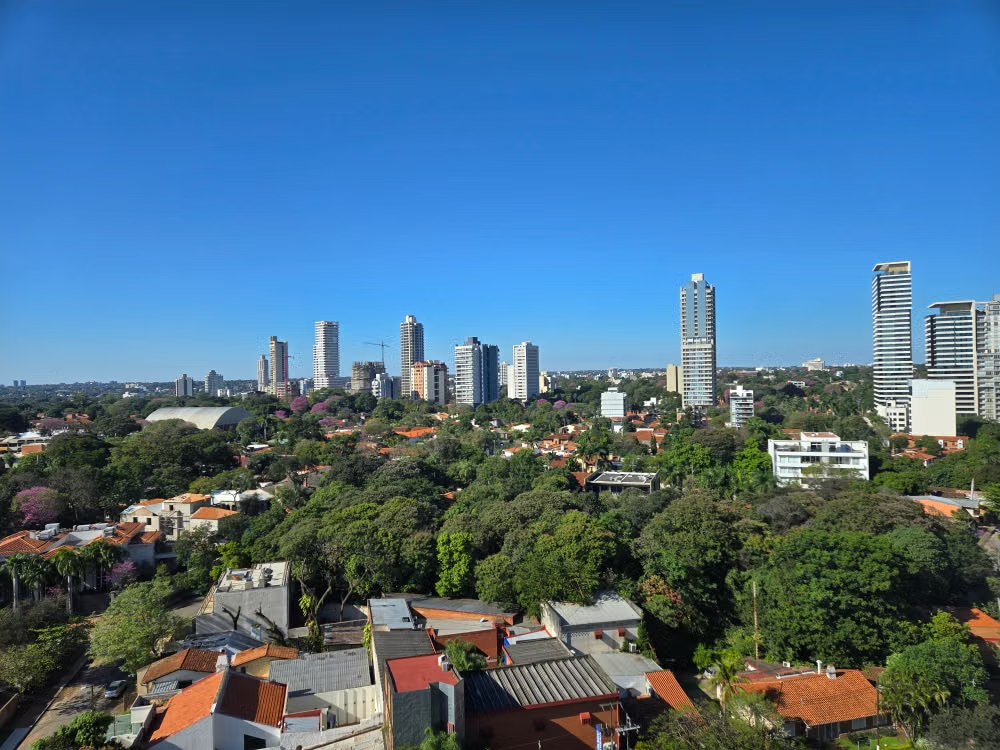
Most people dismiss Paraguay as a tax-friendly afterthought — too small, too plain to be worth the trip. In reality, it’s the cheapest genuinely livable country in Latin America. Its best neighborhoods rival Buenos Aires’ Palermo and Medellín’s El Poblado. Its tax exemption on foreign income is permanent, not a temporary holiday like Uruguay’s. And it delivers all of this at half the cost of Argentina, Chile, or Brazil. With all this, the region hasn’t caught on yet.
That combination matters for the nomad, flexpat, or retiree building a Latin American base: comfort and tax efficiency at a price point that doesn’t force a quality-of-life tradeoff.
Paraguay won’t impress you with its old world architecture the way Buenos Aires does. It won’t seduce you with beaches like Florianopolis or Pipa. It won’t show up on anyone’s “most romantic cities” list, like Cartagena. What it does — quietly, consistently, without drama or excess — is deliver some of the most functional, affordable, tax-friendly, comfortable, safe, and genuinely livable neighborhoods for nomads and expats in Latin America: the polished Villa Morra and Recoleta, the Galería corridor of Asunción, the Costanera of under-the-radar Encarnación, and emerging luxury riverfront projects throughout the country. Paraguay offers it all at a price point that makes even fellow budget-conscious neighbors — Argentina, Brazil, even Colombia — look expensive by comparison.
I spent time in Asunción in late 2025 and came away more convinced than I expected to be. Not because Paraguay is finished — it isn’t — but because the ingredients for a serious expat boom and nomad haven are all present, the prices still reflect the country Paraguay was rather than the country it’s becoming, and the window to arrive and set up a base before the boom is still open. Barely.
Even now, before Paraguay follows through on all of its development plans and fully capitalizes on its potential, it’s already a comfortable, livable base that outshines the stars of Argentina, Brazil, Chile, and Colombia in the ways that matter most for a designed life.
In this guide to moving to Paraguay as a flexpat, nomad, or retiree, we’ll cover everything you need to know to decide if the “Corazón de América” is a potential base for your life abroad in Latin America.

Table of Contents
Why Paraguay
For the remote worker, the remote business owner, and anyone thinking seriously about a tax-efficient Plan B address, Paraguay sits at a rare intersection: territorial taxation, effortless residency requirements, low cost of living, and pockets of genuinely comfortable urban living.
That combination doesn’t exist at this price point anywhere else in South America, or the Americas in general, right now.
Paraguay is a Mercosur member with a genuinely promising economic growth story behind it, not a speculative one.
Structurally, the country is early in a cycle most of its neighbors have already priced in. Paraguay is the only country in Latin America to have its sovereign credit rating upgraded to investment grade twice in the same cycle: Moody’s granted the upgrade in July 2024, and S&P followed in December 2025, giving Paraguay what analysts call “double investment grade” — a threshold many institutional investors use for large-scale capital allocation. Compare that to where Chile and Argentina currently sit, and the trajectory becomes clear: Paraguay is on a revitalization and development upswing, with developments directly relevant to nomads and expats, and it’s happening before the swing, not after it. Argentines and Brazilians already cross the river into Paraguay to buy goods and electronics they can’t get at home for the same price, and that’s a small, tangible signal of a larger shift.
There’s also a geoarbitrage argument specific to Paraguay’s regional position. Central America will likely get more expensive over time, as it’s economically and geographically tied to North America. As more Americans arrive and the spread between the US and local economies widens, Panama and Costa Rica will keep absorbing US tourism dollars and a rising flow of expats, and the average cost of living will increase accordingly. At the moment, San Jose, Costa Rica is only 15% cheaper than Austin, Texas – roughly the same price as Tulsa, Oklahoma according to cost of living database site Expatistan. In contrast, Asuncion, Paraguay is 50% cheaper than Austin, Texas.
Paraguay is tied more closely to Latin American economies than to the US, which means it will hold its geoarbitrage advantage considerably longer than Mexico, Panama, or Cost Rica will.
Pros and Cons of Paraguay for Expats and Nomads
Pros:
- Tax benefits and ease of residency, at a time when most other countries are clamping down
- Affords an excellent solution to a good Sovereign Expat’s global living plan
- One of the best “stay and remote work” locations in South America
- Cheap for the quality of life you get in the good pockets — new apartment buildings open to buy and rent for little money, access to great electronics, furnishings, and essentials at genuinely good prices (unlike neighbors Argentina, Brazil, and Uruguay), and real safety within the expat-friendly zones
- Extremely livable and safe pockets in Asunción’s Villa Morra, Carmelitas, and Recoleta
- An ideal tax situation for remote work and a remote business home
- Convenient visa and residency process
Cons:
- International access is rough, requiring a connection flight through São Paulo, Brazil, or Santiago, Chile for any flights in or out.
- Long international flights out of Asunción to Asia, Europe, and North America are multi-leg and expensive
- The bus alternative to reach easier international connections is long and requires crossing into Argentina (which, from experience, is spicy and not in a fun way)
- The livable spots are genuine pockets within a country that’s still developing broadly
On the Ground Insights
Along the growing corridors, new high-rise projects and gentrification are happening everywhere, signaling continued improvement. The complex I stayed in, in one of the nicer areas, was upscale by South American standards and advertising 2-bedroom condos for sale at $125,000, and 1-bedrooms at $75,000. These same units would run $300,000–$350,000 and $150,000–$200,000 respectively in Buenos Aires, based on prices I tracked between mid-2025 and mid-2026 and agnostic of Argentina’s currency debacle.
Asuncion has a genuinely strong café scene — kitschy, comfortable little cafés dispersed throughout the capital, serving great coffee and food that caters to bohemian palates: matcha, chai lattes, European and South American pastries, alongside local Guaraní-influenced comfort food. The telling sign: in these cafés, I mostly saw Paraguayans, not expats — meaning this style of living is already in the culture, not manufactured for foreigners. As high-rise construction continues and these places keep organically popping up, livability and quality of life will keep growing with them.
The area in and around Villa Morra — scattered with non-cookie-cutter cafés, small bars, and restaurants, along with tree-covered walking paths lined with restaurants in La Cuadrita — feels reminiscent of El Poblado in Medellín before the bachelor-party boom. At 9pm on a weeknight, I saw these restaurants and cafés filled with young friends, couples, and families with children, meaning this type of living, that most nomads leave home to find, is organic to the neighborhood and not a manufactured process catering to foreigners. That implies a lot for Paraguay’s potential in the years ahead.
Who Moving to Paraguay Is Best For
Singles and digital nomads — Paraguay’s best neighborhoods deliver the Chiang Mai remote worker sweet spot formula for South America: walkable café corridors, strong fiber internet in modern buildings, genuine local culture rather than an expat bubble, and an extremely low cost of maintaining a comfortable, focused work environment. In 2018 I would fly to Chiang Mai for a month for focused work stints and celebrate in Bali, Kyoto, or Ho Chi Minh City after. Now, I would consider Paraguay, then Celebrate in Colombia or Italy after.
Couples — the cost math gets better when you share it. A couple lives well in Asunción on $2,000–$3,000/month combined, in a 2-bedroom apartment with amenities, eating out regularly. Encarnación adds a strong option for those seeking a slower riverfront pace and even more value.
Families — more complicated, and almost ruins the geoarbitrage math. The best international schools cluster in Asunción’s Recoleta and Villa Morra, run $500–$1,000/month per child but deliver IB curriculum with English instruction. Also, the power reliability question (more on that below) matters more when you have children and a household running at full capacity in summer heat. Living in Paraguay with a family is a toss up depending on the age and needs of the children, so be sure to run an honest budget before you decide on the move.
Retirees — one of the best living cases of all. Foreign pension income taxed at 0%, private health insurance at $25–$35/month, a comfortable apartment at $600–$800/month, warm people, and one of the most genuinely relaxed urban environments in South America. Encarnación in particular offers a retirement setting that larger, louder expat markets haven’t yet priced appropriately. Compared globally, retiring in Paraguay, on a pure financial basis devoid of the beach life, is a strong alternative to Thailand or Cambodia** depending on your individual needs.
Remote business owners and the sovereignty-minded — the strongest use case of all. The territorial tax system, accessible residency structure, SIMPLE/RESIMPLE business taxation, the Maquila framework for service exporters, the new Investor Pass, and a clear 3-year citizenship pathway combine into one of the most coherent sovereign expat packages in the hemisphere.
Who moving to Paraguay is not best for:
- Those who need local employment income — the average net local salary in Asunción is roughly $461/month in addition to the normal and employment issues and permitting as an immigrant. Do not move to Asuncion without existing, location independent income.
- Those who need multi-neighborhood urban variety; Asunción’s excellent zones are pocketed within a relatively compact corridor adding up to three viable clusters in total, and Ciudad del Este is the country’s only other major highlight.
- Those who require frequent, cheap intercontinental flights. Any time you fly throughout South America plan to pay double to triple what it would cost in Asia via AirAsia. Beyond South America, plan on flights (to North America or Europe) costing twice what you are accustomed to.
- Those expecting polished infrastructure throughout — the contrast between a $125,000 high-rise condo in Villa Morra and the urban landscape visible from its windows isn’t subtle, and Paraguay rewards those who can hold both realities at once
- Those who need reliable, uninterrupted power for critical business operations without redundancy planning — the current infrastructure trajectory requires proper backup planning.
- Those who won’t be satisfied with a self-contained life in one or two neighborhoods and need easy access to plenty of other cities to travel to. Asunción and Ciudad del Este are Paraguay’s primary highlights, and living quality varies and is pocketed at the moment.
A note on timing: accessibility and cost mean that at least a month in-country is usually needed before the “value as a base” fully sinks in. Shorter than this and the transportation costs in and out ruin the economics. However, stay for six months and the cost savings, and hopefully compounding in your brokerage account, stack quickly. This isn’t a weekend-trip kind of place to evaluate.
Where to Live: Asunción, Nueva Asunción, Encarnación, and Beyond
The Neighborhood Map: Asunción
Villa Morra — the established center of expat life in Asunción and the natural first landing zone. Tree-lined streets, modern high-rise buildings, and a density of cafés, restaurants, international pharmacies, and coworking spaces that would feel at home in any mid-tier European city. Shopping del Sol and Paseo La Galería anchor the commercial spine. Rent: $500–$800/month for a modern 1-bedroom.
Carmelitas / Las Lomas — adjacent to Villa Morra and its nightlife-oriented sibling. Paseo Carmelitas is the city’s premier dining and bar district, popular with young professionals and entrepreneurs. Rent sits slightly above the Villa Morra core in the newest buildings.
Recoleta — the embassy belt. Quieter, more residential, larger apartments, more green space. Proximity to the top international schools makes it the default choice for expat families.
Mariscal López Corridor / Ycuá Satí — the neighborhood that surprised me most. This corridor, extending into Ycuá Satí, holds a level of affluence and modern infrastructure that challenges the “developing country” frame. This is where Paseo La Galería sits — the largest and most modern shopping complex in Paraguay, housing Gucci, Louis Vuitton, and Versace alongside fine dining, rooftop bars, coworking cafés, and outdoor patios. A Superseis supermarket sits directly next to the mall. The surrounding streets feel closer to a polished Santiago neighborhood than what most people associate with Asunción.
La Cuadrita and the Walking Corridors — within the Villa Morra–Carmelitas belt, La Cuadrita, a tree-lined pedestrian street, concentrates the kind of organic restaurant and café scene that cities pay consultants millions to manufacture. I was genuinely shocked when I stumbled on it during a simple late night food run. At 9pm on a weeknight, this stretch fills with young families, couples, and groups of friends — not expat-heavy, not Instagram-curated.
Las Mercedes — the emerging creative district: restored buildings alongside modern apartments, cultural centers, art galleries, and the Paraguayan American Cultural Center. More affordable than Villa Morra or Carmelitas, with real long-term appreciation potential.
Nueva Asunción: The Other Side of the River (from Asuncion)
Not a suburb — it’s being positioned as a new city. Entry-level investors are already buying large plots of land here for gated community developments and luxury villas, anticipating the same trajectory Lima and Montevideo followed after their own investment-grade upgrades.
Created as a separate district in 2021 (formerly called Chaco’í — “little Chaco” in Guaraní), Nueva Asunción sits on the western bank of the Paraguay River, about 5km from central Asunción. For decades it was depopulated scrubland. The Héroes del Chaco Bridge — a 7,409-meter cable-stayed structure opened in March 2024 — changed everything, cutting travel time from over an hour to five minutes into this massive greenspace and triggering an immediate property boom.
Active mega-developments now underway on this side of the river include El Delta (1,600 hectares between the two bridges, with 6km of riverfront, 23km of navigable canals, and 16km of inland lagoons — the largest private development in the country, masterplanned as a new city), Rialto (192 hectares with integrated lagoons and a gated clubhouse community), Sunset Village, Bosque Lago, and a cluster of additional residential and lagoon developments — La Ribera, Costa del Norte, Lago Grande, Náutico, Belvedere, Los Sauces, and Palma Real Village. Héroes del Chaco itself is Paraguay’s largest planned open neighborhood, targeting middle-class families with 900+ residential plots (for design and development of private single family homes) and monthly payments from roughly $135/month on 0% interest financing over 20 years.
Government projections suggest Nueva Asunción could house 200,000 residents within a decade. A congressional land allocation for a potential international airport has already been earmarked, and Route 12 (PY12), a 166km highway, is under construction to deepen Chaco connectivity.
Encarnación: Paraguay’s Pearl of the South
The alternative to Asuncion
The city most worth knowing about beyond Asunción didn’t emerge organically. The Yacyretá Dam in Encarnacion raised water levels in the 1980s and 1990s, flooding Encarnación’s lower districts and requiring the full relocation of neighborhoods, commercial zones, and thousands of residents. What replaced the flood zone was the Costanera — a planned, palm-lined riverfront promenade inaugurated in 2011, with sandy beaches on the Paraná, bike paths, open-air restaurants, and views across to Posadas, Argentina.
Encarnación is Paraguay’s third-largest city, with roughly 106,000 residents in the city proper. Every summer it hosts the largest Carnival celebration in the country, drawing 100,000-plus visitors; the rest of the year it returns to a quieter, more residential character.
Costs: a 1-bedroom near the city center runs $300–$400/month to rent, and simpler units further out run $180–$300/month. A 1-bedroom for purchase within walking distance of the Costanera starts around $70,000; a 2-bedroom, 2-bathroom unit starts around $95,000.
Day trips: the UNESCO World Heritage Jesuit ruins at Trinidad sit 28 kilometers north — one of the least-crowded UNESCO sites in South America.
Other Cities Worth Knowing
Ciudad del Este anchors Paraguay’s eastern border at the triple frontier with Brazil and Argentina, famous for electronics and duty-free pricing, and 20 minutes from Iguazú Falls. Not a lifestyle destination for most remote workers, and on first sight it honestly looks a bit rough, but excellent for anyone in import/export or cross-border commerce looking for an opportunity.
San Bernardino sits one hour east of Asunción on the shores of Lake Ypacaraí, founded in 1881 by Swiss and German immigrants. Functions as Asunción’s weekend escape, with a quiet, established expat community of Americans, Canadians, and Europeans. Year-round residency is practiced, but the town quiets significantly outside the November–April season. Note: Lake Ypacaraí has ongoing water quality issues (toxic algae) — the beaches are open for sun but not for swimming.
The Cost of Living: What a Dollar Actually Buys in Paraguay
A single person lives comfortably in Asunción’s best neighborhoods for $1,500–$2,000 per month, including a modern apartment, regular dining out, Uber for local transport, a gym membership, and private health insurance. A budget lifestyle runs $800–$1,200. A couple sharing costs typically lives well together on $2,000–$3,000/month.
For context: Asunción runs 40–60% cheaper than Buenos Aires measured in USD, 30–50% cheaper than Bogotá, and comparable to or slightly cheaper than Lima. Consumer prices in Paraguay run approximately 60–70% lower than the US across most categories.
Housing: In Villa Morra, Carmelitas, or Recoleta, a modern 1-bedroom apartment runs $500–$800/month to rent; further from the expat core, that drops to $300–$450/month. The 2-bedroom condos I saw for sale in my own complex, in the upscale corridor, were listed at $125,000; comparable units in Buenos Aires ran $300,000–$350,000 based on prices I tracked between mid-2025 and mid-2026. The geoarbitrage on real estate here isn’t subtle.
Monthly long-term rentals break down roughly as follows:
Apartment Type | Villa Morra / Carmelitas / Recoleta | Outer Neighborhoods |
|---|---|---|
|
|
|
1-Bedroom (50–70 sqm) | $500–$800/month | $300–$450/month |
2-Bedroom (75–100 sqm) | $800–$1,200/month | $500–$700/month |
In Encarnación, a 1-bedroom near the Costanera runs $300–$400/month; further out, $180–$300/month. Encarnación runs roughly 30–40% cheaper than equivalent Asunción neighborhoods.
Airbnb and short-stay rates in Asunción average $45–$50/night, with budget 1-bedrooms around $33–$35/night, well-positioned Villa Morra units with pool and amenities at $50–$77/night, and the premium top 10% running $77–$83-plus per night.
Dining out: meals at local cafés and restaurants run $3–$10 per person. A three-course dinner for two at a solid mid-range restaurant costs approximately $20–$25; in the upscale corridor around Paseo La Galería and Carmelitas, expect $30–$50 for two at the better spots.
Groceries: $200–$300/month shopping at local supermarkets and eating local; budget $400–$600/month if you want imported goods regularly, since European cereals, name-brand products, and anything shipped in from abroad carry a significant tariff premium. Local products are genuinely cheap — milk around $0.80–$1.20/liter, beef around $8/kg, a pineapple around $0.33, a bag of tomatoes around $0.66.
A side note: Asuncion has am interesting German brewery history and culture, so expect to get import quality beer for cheap as well.
Transport: a 15-minute Uber Comfort ride costs around $4.50. Most residents in Villa Morra walk (I preferred to as distances aren’t terrible and the neighborhoods are enjoyable) or use Uber; public buses are cheap but require a local card.
Health insurance: private coverage runs $25–$35/month through providers like ASISMED or Sanatorio Adventista. Go private — the public system is under-resourced. Private clinics in Asunción offer quality care at a fraction of North American costs: consultations run $30–$80, and complex procedures cost 60–80% less than in the US.
Internet and phone: a home WiFi and cellphone bundle runs approximately $45/month; a second phone plan adds around $20 more.
Electronics and essentials: one of Paraguay’s genuine advantages over its neighbors. Argentina, Brazil, and Uruguay impose heavy import duties on electronics; Paraguay doesn’t. That laptop, those appliances, that camera cost what they should.
Average Prices: Food, Drink, and Daily Life
Item | Price (USD) |
|---|---|
Espresso | $1.70 |
Cappuccino / latte | $2.50–$2.90 |
Specialty coffee (Villa Morra café) | $2–$3 |
Full breakfast (café) | $4–$8 |
Lunch (local comedor, set meal) | $3–$5 |
Lunch (mid-range café/restaurant) | $6–$10 |
Dinner (mid-range restaurant, per person) | $8–$15 |
3-course dinner for two (mid-range) | $20–$25 |
3-course dinner for two (upscale, Paseo La Galería) | $40–$60 |
Domestic beer (500ml, restaurant) | $1.50–$2.50 |
Imported beer (330ml bottle, restaurant) | $1.90 |
Local craft beer | $2.50–$4 |
Combo fast food meal | $5.30 |
Uber (15-minute Comfort ride) | $3–$5 |
Monthly groceries (local products only) | $200–$300 |
Monthly groceries (with imported goods) | $400–$600 |
Asunción holds the distinction of being the #1 cheapest city in South America for imported beer and fast-food combo meals, according to Numbeo.
Getting Started: Cafés and Restaurants
Asunción — Villa Morra, Recoleta, and Paseo La Galería:
Top cafés for expats and digital nomads:
- El Café de Acá (Villa Morra, Los Laureles, and inside Paseo La Galería) — the undisputed #1 expat café in Asunción. English frequently overheard, warm colors, hanging lights, a Pinterest-board aesthetic. Order the Paraguayan Brunch.
- Ofelia (inside Hotel Factoría, Recoleta) — vaulted ceilings, wood floors, industrial accents, an eclectic menu from updated Paraguayan classics to international favorites. Best breakfast in the Recoleta zone.
- Sacramento Brewing Co. (Villa Morra) — the growing craft-beer scene’s anchor; pizza dough made with beer yeast, good WiFi, an evening crowd.
- Hopping Resto Tap (Carmelitas) — craft beer focus, creative food, an expat-frequented evening spot.
- Eco Tienda Café — health-focused, plant-based options, specialty coffee, popular among health-conscious expats.
Top restaurants (Villa Morra / Recoleta / Paseo La Galería belt):
- Pakuri (Villa Morra, recycled shipping containers) — chef Sofía Pfannl, who worked at Peru’s Central and Italy’s Osteria Francescana, serves “neo-Paraguayan” cuisine from a tatakua clay oven, using indigenous ingredients and natural wines. The most acclaimed fine-dining restaurant in Paraguay. Book ahead.
- Bolsi (Carmelitas/downtown) — Paraguayan, Brazilian, and Argentinean cuisine, open until early morning; classic local sampler plates, craft beers, vori vori. An institution.
- Pintón Casa Bistró — French-fusion, one of Asunción’s standout fine-dining experiences.
- Lo de Osvaldo (inside Paseo La Galería) — the standout restaurant inside the mall, good for a longer dinner in an elevated setting.
- La Cabrera (Villa Morra) — the Argentine steak chain’s Paraguayan outpost; best for a big asado night, though some reviews flag inconsistency against the Buenos Aires original.
- Ese Lugar (Recoleta) — a gastrobar that doesn’t take itself too seriously: Cheeto-crusted fried chicken, triple-fried yuca fries, a craft beer list, and original cocktails with local herbs.
Encarnación — cafés and restaurants:
Top cafés: Mako’s Heladería (the default “first stop” café for foreigners — modern, well air-conditioned, warm croissants, empanadas, self-serve ice cream), Malika Resto Café (local flavors meet an international menu in a relaxed, riverside-adjacent setting), and Bistró del Centro (a cozy neighborhood bistro, good for daytime).
Top restaurants: Hiroshima (consistently ranked #1 in Encarnación — sushi and Asian cuisine, fast service, extremely affordable), Piccola Italia (a city icon for over 22 years, homemade pastas and pizza, every dish designed for two), Novo Rodeio / Rey do Lazo (a Brazilian-style churrascaria with tableside picanha), El Ancla Resto-Bar (riverside on the Costanera, the go-to spot for a meal and a wine with a view of the Paraná), and Prímoli Restaurant (contemporary local cuisine, a solid mid-range option for regular dining).
Daily Life in Paraguay
Language
Spanish and Guaraní are Paraguay’s two official languages. Guaraní dominates everyday conversation in most of the country, with Spanish used more prominently in business and media. English is not common outside specific international business contexts, and is essentially absent in rural areas.
Within the neighborhoods listed, I wandered endlessly and got by just fine with English and broken Spanish.
The Tereré Culture
Paraguayans share cold-brewed herbal tea (tereré) communally, passing a single cup around a group regardless of background. Getting invited into a tereré circle is a genuine welcome signal, and it happens frequently in parks, offices, and neighborhoods. Participating is social currency.
Think of this the same as the mate culture in Argentina (but don’t admit that out loud).
Bureaucratic Pace
Processes operate on a different schedule than North American or European standards. The flip side: Paraguayans are warm, genuinely helpful, and willing to walk a stranger to their destination. The social experience of daily life is notably easier than the administrative one. Additionally, as Paraguay has become more popular with expats, a notable complaint is that the pace of the bureaucracy for expats has slowed.
Water
Tap water in most of Asunción is technically drinkable, but most expats and locals buy bottled water. 20-liter bidones (water jugs) cost ₲15,000–₲20,000 per refill (roughly $2–$2.60).
Electricity: Voltage, Adapters, and Outages
Paraguay runs on 220 volts, 50Hz, with round two-pin (Type C) plugs — the same standard as much of Europe. American devices built for 110V need a voltage converter, though most modern electronics (laptops, phone chargers, cameras) are dual-voltage — check the label before plugging anything in.
Now for the part most sites underreport: the power in Paraguay goes out. Paraguay generates enormous hydroelectric power through Itaipú and Yacyretá — enough to export to Argentina and Brazil — but transmission and distribution infrastructure hasn’t kept pace with demand. In February 2026, a single detached conductor on a 500 kV transmission line triggered a cascading failure that cut electricity to 90% of the country, including the capital, affecting 1.4 million users for approximately three hours during a brutal heat wave. Beyond major events, smaller neighborhood-level outages during summer heat peaks are a regular part of life.
Engineers have flagged this openly: Paraguay has gone more than 40 years without investing in new generation capacity, and the current surplus is shrinking as demand grows. A UPS and a building with generator backup should be non-negotiable for anyone running a serious digital business that requires uninterrupted power. Electricity prices, for now, remain the lowest in Latin America.
Healthcare
Private clinics in Asunción deliver good-to-excellent care. Consultations run $30–$80. English-speaking doctors exist at major private clinics. For emergencies, call 911 or go directly to the nearest private hospital.
From experience, dealing with clinics and hospitals in Paraguay is painlessly easy and cheap, much more so than in Argentina (which was still easier and cheaper than the US medical system).
Grocery Shopping
Three chains dominate the expat zones, each with an online presence you can use before arriving to benchmark prices:
Superseis (superseis.com.py) — the most relevant chain for expats in Villa Morra and Ycuá Satí, with over 30 locations nationwide and a branch directly next to Paseo La Galería. Comparable to Hannaford in the US or Carrefour Market in Europe — your reliable everyday supermarket, with delivery and pickup covering Asunción, Gran Asunción, Ciudad del Este, and Encarnación.
Casa Rica (casarica.com.py) — the gourmet option. German-founded, now Paraguay’s most prestigious grocery chain, stocking imported wines, European specialties, fresh mushrooms, an artisanal bakery, and an in-store restaurant (El Molinillo). More expensive, but still affordable by North American standards — the answer if you need a specific imported ingredient or want something that feels like a European deli.
Stock (stock.com.py) — the value chain, with 45-plus stores nationwide and a 24-hour express format available. Comparable to Kroger or Lidl — competitive pricing, good promotions, no frills. The right choice when you’re buying in volume.
For fresh produce, Mercado 4 runs 20–40% cheaper than supermarkets on fruits, vegetables, and local staples, if you’re comfortable navigating a traditional market environment. The AgroShopping market at Mariscal (Tuesdays) adds another fresh-produce option. For home delivery, PedidosYa and Monchis (a 100% Paraguayan delivery app) both serve from the major chains.
Electronics Pricing vs. the US and Europe
Paraguay has a 0% import duty on electronics, making it one of the cheapest places in the Western Hemisphere to buy tech. The comparison is most dramatic against Brazil, but still favorable against the US and significantly better against Europe.
Sample prices: an iPhone 17 (256GB) runs roughly $970 in Paraguay against a $999 US MSRP — essentially even, with a slight discount. The Pro Max runs $1,220–$1,300 against $1,199 US MSRP — a small premium. A Samsung Galaxy S25 Ultra and a MacBook Pro M5 both run at a slight discount to US pricing, and AirPods Pro run $190–$230 against $249 US MSRP.
The real story is against Brazil: Paraguay prices run 40–50% below Brazilian retail on Apple products, due to Brazil’s severe import duties — which is exactly why Brazilians cross into Paraguay to shop, and why the Ciudad del Este electronics market exists in the first place. Against the US, you’re at essential parity — no import tax means no 20–30% markup, so you can replace a broken phone or laptop at roughly the same price you’d pay at home. Against Europe, where VAT runs 20–25% on top of manufacturer pricing, Paraguay runs 15–25% below comparable European retail on most Apple devices.
One warranty note: Paraguay retail carries local warranty, not international Apple warranty, and AppleCare+ isn’t available. If that matters for your use case, buy before traveling, or buy from an authorized reseller in Paraguay with explicit clarification of the warranty path. Best Asunción retailers: MultiPoint, TechHouse Paraguay, and the electronics floors inside Shopping del Sol and Paseo La Galería. Ciudad del Este has the lowest prices in the country, but requires a trip and an understanding of purchase limits if you’re crossing back into Argentina.
Getting To and From Paraguay: The International Access Problem (And the Workarounds)
Paraguay’s single biggest structural limitation for expats is not the city, the culture, or the safety. It’s the airport.
Asunción’s Silvio Pettirossi International Airport doesn’t offer direct transatlantic routes. A flight to Europe or Asia requires a connection through a South American hub first.
The practical workarounds:
Buenos Aires, via bus or short flight — the Buenos Aires metro area (Ezeiza/Aeroparque) offers comprehensive international routing. Asunción to Buenos Aires runs 18–20 hours by overnight bus, or about 1.5 hours by air. For those making 4–6 international trips a year, building Buenos Aires connections into the plan is the standard approach. Unfortunately, in my experience, flights into and out of Argentina are the most expensive in South America. Stack this with bottleneck prices from Asuncion and plan on budgeting for a double whammy.
São Paulo/GRU — Brazil’s main hub, and the fastest connection to Asia and some European routes, roughly 2.5 hours from Asunción by air. This is the recommended route going, but still not the most convenient.
Santiago — connects well to North American destinations. This is the recommended route going north, and will likely be the cheapest option to Central America, North America, and Asia. Save money by booking legs separately into Santiago and from Santiago onward.
Paraguay vs. the Rest of Latin America
Paraguay’s main offer is a stable, comfortable, cheap life with low taxes, and the upside of remaining cheap for the long term relative to other options. Its downside is a lack of variety and anything to get excited about, which requires an alternate plan for balance, or suits someone content to focus on remote work and daily life for months at a time rather than constant novelty.
The main differences between Paraguay and most other options: it will likely be cheaper, your taxes (if staying long term) will be lower, and your situation will generally be more stable and established quickly, with safety that makes it beginner-friendly. In exchange, there’s less local neighborhood variety, less glamour, and arriving to and leaving Paraguay costs more, and requires a connection through Santiago or São Paulo.
Uruguay vs. Paraguay: Cheaper and More Comfortable, but Landlocked
Paraguay delivers 50–70% lower living costs than the US; Uruguay delivers only about 30% savings, and likely none if you live in a nice part of Montevideo, or further north into Torrey Pines-esque Carrasco. On taxes, the decisive distinction: Uruguay’s territorial tax holiday on foreign income expires after 11 years, at which point dividends and interest from foreign sources become taxable. Additionally, payments from abroad paid for work performed while in Uruguay is subject to Uruguayan taxes. Paraguay’s 0% on foreign income is permanent. Paraguay fits someone optimizing for tax efficiency and low cost of living; Uruguay fits someone who wants a premium Latin American city experience with slightly more sophisticated urban infrastructure and coastal access.
Argentina vs. Paraguay: More Stable and Cheaper, but Lacking the Charm and Variety
Buenos Aires always wins on culture, food, architecture, and sheer neighborhood variety — nothing in Paraguay replicates Palermo or Recoleta’s density of life. But Argentina’s chronic instability is the real cost: inflation that runs in the double or triple digits in bad years, currency controls that have shifted repeatedly, and a peso that has required constant recalculation for anyone budgeting in the local currency rather than dollars. Paraguay’s inflation runs 3–4%, and the Guaraní has stayed stable for years — a sharp contrast. Paraguay’s residency pipeline is also more active, honest, and efficient than Argentina’s, without the periodic immigration-rule swings that have made long-term planning in Argentina harder for foreigners in recent years.
While Argentina is wonderful, there is a reason Argentines routinely travel to Paraguay to buy electronics and essentials.
Colombia vs. Paraguay: Safer, More Beginner-Friendly, and an Easier Long-Term Base — but Lacking Colombian Vibrancy and Accessibility
Colombia — Medellín and Bogotá especially — offers more nightlife, more expat infrastructure, more neighborhood variety, and dramatically better international flight access, with direct routes to the US and reasonable connections to Europe. Paraguay can’t compete on any of those fronts. What Paraguay offers instead is a meaningfully lower homicide rate, a calmer daily pace, and a tax and residency system that’s simpler and more permanent than anything Colombia currently offers a foreign resident.
Read through the Colombia expat forums and, though I wholeheartedly recommend Colombia, you will see that living in Colombia’s major attraction spots comes with a level of risk that isn’t for beginners. As a former security consultant, I would recommend Paraguay as a starter destination, as the US State Department confirms, with a Level 1 travel advisory level, which is the lowest possible travel advisory. On par with El Salvador’s extremely safe situation.
For someone prioritizing stability and quiet over stimulation and social scene, Paraguay is the easier long-term base; for someone who wants the city to do some of the entertaining, Colombia wins.
Chile vs. Paraguay: More Developed and Cosmopolitan, but Considerably More Expensive and Less Tax-Friendly
Chile — particularly Santiago — offers First-World infrastructure, some of the best international flight access in South America, and a stable, business-friendly reputation that predates Paraguay’s recent upgrades. But Chile taxes worldwide income for tax residents, and its cost of living runs close to a mid-tier US city in the capital’s better neighborhoods. Paraguay wins decisively on both cost and tax treatment; Chile wins on polish, infrastructure, and connectivity if those matter more to you than the tax bill.
Brazil vs. Paraguay: More Culture and Scale, but Heavier Taxes, Higher Costs, and a Steeper Safety Curve
Brazil offers scale, culture, and diversity that a small landlocked country simply can’t match — São Paulo and Rio operate on an entirely different level of size and stimulation. But Brazil taxes worldwide income, carries some of the heaviest import duties in the hemisphere (part of why Brazilians cross into Paraguay to shop), and posts a considerably higher homicide rate than Paraguay’s expat zones. For a designed, quiet, tax-efficient base, Paraguay wins; for someone who wants the biggest, most culturally dense country in South America and is willing to pay for it, Brazil wins.
Panama vs. Paraguay: More Polished and US-Connected, but Increasingly Expensive as the Region’s Default Expat Choice
Panama’s dollarized economy, direct US flight access, and long-established expat infrastructure make it the easier on-ramp for a first-time Latin America move. But Panama’s popularity is its own headwind: as more Americans arrive, prices in Panama City and the best beach towns keep climbing, and the country’s economic ties to the US mean it will likely keep tracking US costs upward over time. Paraguay is earlier in its cycle, more tied to regional Latin American economics than to the US, and should hold its price advantage considerably longer.
Mexico vs. Paraguay: Far More Accessible and Culturally Rich, but Rapidly Losing Its Cost Advantage
Mexico remains the easiest Latin American country to reach from the US, with the deepest expat infrastructure, the richest food and culture scene, and the most established digital nomad hubs (Mexico City, Playa del Carmen, Oaxaca). But Mexico’s popularity has already done to it what’s starting to happen in Panama and Costa Rica: rents in the popular nomad neighborhoods have risen sharply, and its proximity and economic integration with the US mean that trend likely continues. Paraguay offers none of Mexico’s accessibility or cultural depth, but a meaningfully longer runway on cost.
Costa Rica vs. Paraguay: More Natural Beauty and Established Expat Infrastructure, but Considerably Pricier and Increasingly Crowded
Costa Rica’s beaches, biodiversity, and decades-long expat track record make it a genuinely different lifestyle proposition — this is a comparison of priorities more than substitutes. But “Pura Vida” pricing has caught up with Costa Rica’s popularity: the Central Valley and the popular coastal towns now carry costs well above Paraguay’s, and continued US demand keeps pushing them higher. Paraguay is the harder sell on lifestyle and natural beauty, and the easier sell on cost and tax permanence.
El Salvador vs. Paraguay: A Compelling Bitcoin and Tax Angle, but a Less Established, Less Proven Expat Base
El Salvador’s territorial tax system and crypto-friendly policies have earned it real attention from a specific slice of the sovereign-expat and digital-asset community, and its safety turnaround over the past several years is genuine and well-documented. But its expat and residency infrastructure is younger and less proven than Paraguay’s, and its cost advantage is narrower than most people assume once you’re paying San Salvador prices rather than looking at national averages. Paraguay’s residency process is more established, its documentation requirements are lighter, and its tax exemption on foreign income has a longer track record.
Paraguayan Residency: Possibly the Easiest in Latin America
Paraguay made its residency program simpler in 2022, and more accessible again with modifications in 2024. The current standard path requires four documents. That’s it.
Why you’d want Paraguayan residency:
- A solid Plan B, physically, logistically, and financially — in a world where immigration rules are changing fast, residency solidifies that
- One of the few remaining straightforward citizenship pathways in the hemisphere
- Tax benefits: a low local tax rate, and a tax residency option that can complement (not replace) home-country tax strategies like the FEIE
- Freedom to live, work, and study in Paraguay, leaving and returning without worrying about shifting Latin American immigration rules elsewhere
- You only need to stay in Paraguay one day every three years to maintain permanent residency
The four documents for standard temporary residency:
- A valid passport (6+ months validity)
- An apostilled birth certificate
- An apostilled criminal background check from your home country
- Passport-sized photos
No bank deposit, no minimum income proof, no investment threshold required — the old $5,000 bank deposit requirement was eliminated by Law 6984/2022. If you’re American, the criminal background check is an FBI Identity History Summary, apostilled by the US State Department; budget 2–4 weeks for that step.
All foreign documents need Spanish translation by a traductor público registered in Paraguay. Don’t translate before you arrive — translations done outside Paraguay aren’t accepted. Budget $50–$100 per document for translation, done in 1–3 days once you’re in Asunción.
Residency timeline and structure: temporary residency grants a 2-year stay, renewable. After 2 continuous years, you convert to permanent residency, valid for 10 years and renewed every 10 years with a biometric update and background check. Total processing time for the initial temporary residency runs 75–90 days on average. To maintain permanent residency, you need to enter Paraguay at least once every three years — that’s the physical presence requirement in full. No 183-day rule, no income test.
Getting Paraguayan citizenship: after 3 years of permanent residency, you become eligible for naturalization and a Paraguayan passport, which currently offers visa-free or visa-on-arrival access to 140-plus countries, including the full European Union, the UK, Japan, and Canada. The process runs through the Supreme Court, not an immigration office, and requires demonstrating arraigo — genuine ties to Paraguay, such as property ownership, a registered company, fiscal filings, or a professional history in-country. You’ll also need basic Spanish or Guaraní ability and a civics exam on Paraguay’s constitution, history, and geography. It isn’t a deep academic test, but it isn’t waived — plan accordingly if citizenship is your end goal.
The investor fast-track: for those who want to skip the 2-year temporary phase and go straight to permanent residency, Paraguay launched the Investor Pass in April 2026 under Resolution 0283/2026, with four qualifying pathways: the SUACE business route ($70,000 invested in a Paraguayan business over 10 years, with 5 local jobs created; processing 45 days to 6 months), real estate ($200,000 in Paraguayan property), financial instruments ($150,000 in qualifying securities, no business activity or job creation required), and tourism projects ($150,000 in qualifying tourism development). All four routes grant direct 10-year permanent residency, skipping the temporary phase entirely.
One warning for the DIY applicant: the most common reason applications fail is document timing. Background checks are valid for only 3–6 months, so get everything else in order first, then request your background check last, and file quickly. A good local immigration attorney runs $1,700–$6,000 depending on service level — worth every dollar to avoid a rejection and a restart.
Banking in Paraguay: Plan Ahead, with international banking alternatives, or Pay the Price
Opening a local Paraguayan bank account as a foreigner is a drawn-out, frustrating process. You need residency first. Many banks then require 6–12 months of documented local tax activity before they’ll open a dollar-denominated account, and international money transfers in and out of local accounts can be slow and expensive. One expat who’d lived in Paraguay for over a year summed it up plainly: don’t move to Paraguay expecting your bank account to work the way it does at home.
The correct approach is to treat a Paraguayan bank account as a long-term goal — something you’ll eventually have once residency and a tax ID are established — and to set up your financial infrastructure before you board the plane.
What to have in place before arrival:
Wise (wise.com) — set up and fully verify your account from home, including a physical debit card linked to a verified address. Wise lets you hold multiple currencies, receive payments internationally, and spend abroad at near-interbank rates. It works where local banking doesn’t.
Revolut — a second international digital account gives you redundancy. If Wise has a card issue or flags an unusual transaction, Revolut keeps you moving.
Schwab Bank Checking Account — the Charles Schwab high-yield investor checking account reimburses all ATM fees worldwide, with no foreign transaction fees. For cash withdrawals, it’s the most practical tool an American expat carries. Set it up and get your card before you leave.
Two strong travel credit cards — look for no foreign transaction fees, strong global acceptance, robust international card-replacement service, and ideally travel insurance and purchase protection. Chase Sapphire (Preferred or Reserve) is the standard recommendation for American expats. Keep a second card from a different bank as backup — not on the same account, not in the same wallet.
Cash dollars — for the first weeks of any extended stay, while accounts get set up and new cards arrive, US $100 bills are widely accepted in Paraguay’s informal economy and recognized by most businesses in the expat zones. Bring more than you think you need.
For initial stays, Booking.com and Airbnb both work without a local bank account, handle utilities, and eliminate the furniture-and-deposit hassle. They’re more expensive per night than a long-term lease, but for a 2–8 week scouting trip or residency-application visit, they eliminate a dozen logistical headaches. Treat the price premium as the cost of a frictionless landing.
Once your residency card and RUC are in hand and you’ve had time to establish a local paper trail, the banking situation normalizes — but plan around it from day one, not after arrival.
Most recommended banks for expats:
- Banco Familiar — most recommended for new expats and digital nomads. Customer-centric, extensive branch network, simplified requirements for new residents, one of the best-rated mobile banking apps in the country. The most accessible entry point for a basic account once you have your Cédula.
- Ueno Bank — digital-first. Once your Cédula is issued, you can open a basic account via app biometrics in under 48 hours with no branch visit. Good for getting something functional fast, but limited for international wires and USD accounts.
- Banco Itaú Paraguay — the Brazilian-owned subsidiary of Itaú Unibanco. International banking services, SWIFT transfers, foreign exchange, and often English-speaking relationship managers in its private banking segment. Best for cross-border income.
- Sudameris Bank — the largest bank in Paraguay by total assets (it acquired BBVA Paraguay in 2021). Best for high-net-worth individuals, international business accounts, and large capital transfers for real estate, with the most robust compliance department and the most experience with large international USD flows.
- Banco BASA — recommended alongside Itaú as the practical combination for expat residents.
Documents required across most banks: a valid passport, your Paraguayan Cédula (non-negotiable), proof of address in Paraguay, source-of-funds documentation (bank statements, tax returns, rental contracts), and an RUC (tax ID) for USD or business accounts. Minimum opening deposits run $100–$500 for a basic savings account, $500–$2,000 for checking, and $1,000–$5,000 for USD accounts.
The two-phase reality: immediately after your Cédula, Ueno or Familiar gets you a basic Guaraní account, with a deposit cap around $1,000 equivalent, local transactions only, no international wires. After 6–8 months of documented local financial activity, you can apply to Itaú, Sudameris, or BASA for a full USD account with SWIFT capability — which requires showing accounting reports with real income and expenses inside Paraguay, not zero income or expenses only.
Taxes in Paraguay
Most countries advertise a favorable tax environment until you read the fine print. Uruguay taxes everything you receive while in the country after the holiday expires. Portugal eliminated its tax holiday. Dubai has hoops and physical-presence requirements. Paraguay’s system holds up: none of your foreign income is taxed, and it holds up as a tax base even for the frequent wanderer.
Paraguay taxes on a territorial basis. Only income generated inside Paraguay gets taxed. Foreign-sourced income — remote employment, offshore investments, dividends, pensions, rental income from property abroad — gets taxed at 0%, permanently. No wealth tax, no inheritance tax, no exit tax.
The Paraguayan tax system has an informal nickname for earnings sourced inside the country: “10-10-10” — 10% income tax, 10% corporate tax, 10% VAT. That’s the entire framework.
One critical distinction: legal residency and tax residency are separate in Paraguay. The country doesn’t determine tax residency by days in-country. You can hold Paraguayan residency, legally and in good standing, without triggering Paraguayan tax residency. To become a Paraguayan tax resident, you register for an RUC and formally apply for a tax residency certificate with DNIT, Paraguay’s tax authority. This distinction matters if you’re building a multi-flag setup: your Paraguayan residency card gives you a legal address and a credible Plan B without necessarily disrupting your existing tax structure.
If you’re from a country that offers a benefit for establishing an alternate tax residency — Australia, or the US for a bona fide FEIE claim — this opportunity is genuinely potent. A Paraguayan tax residency with 0% tax on foreign earnings attached could meaningfully lower your home-country tax bill.
For the comparison that matters most: Uruguay’s territorial tax holiday on foreign income expires after 11 years. Paraguay’s 0% on foreign income is permanent. That single distinction, temporary versus permanent, is the decisive factor for anyone making a 10-to-20-year planning decision between these two countries.
A note for Americans: FBAR, FATCA, and the IRS’s worldwide income taxation requirements don’t disappear because you hold Paraguayan residency. Paraguay’s territorial system protects you from Paraguayan taxes on foreign income — it doesn’t resolve your US tax obligations. It does, however, make the FEIE a genuinely useful tool in your toolbox. Work with a qualified US expat tax professional before and during this process.
The Maquila Regime: Paraguay’s Business Angle
The Maquila regime allows a foreign company to establish operations in Paraguay — or subcontract to an existing Paraguayan company — to process goods or services for export. The deal: import raw materials, machinery, and inputs duty-free, process them in Paraguay, and export the finished product. You pay a single tax of 1% on the national added value (or the value of the export invoice, whichever is higher). Everything else — income taxes, VAT on exports, import duties — is exempt. Dividends remitted to foreign shareholders under the maquila aren’t subject to the dividend tax, and transfer pricing rules don’t apply to maquila operations with foreign related parties.
In September 2025, Paraguay overhauled the framework with the New Maquila Law (Law No. 7547/2025). The most significant change: services now qualify. IT companies, software developers, BPO operations, and consultancies can now structure operations under the maquila regime and export services to international clients at the same 1% tax rate. Benefits run for up to 20 years, with possible extensions. The maquila sector already generated $1.3 billion in annual exports by 2025 and employed over 35,000 people directly, accounting for 69% of all Paraguayan industrial exports.
For the remote business owner already based in Paraguay: if your client base is entirely outside the country, the maquila structure may give you a formal, government-approved framework that legitimizes the 1% effective rate on your operations, rather than navigating the general tax code from scratch. Setup requires approval from the National Council of Export Maquila Industries (CNIME) — this isn’t a DIY process — but it’s worth a conversation with a Paraguayan tax attorney if you’re structuring a service business.
Buying Property and Long-Term Housing
Finding Short- and Long-Term Housing
Platform | Best For | Link |
|---|---|---|
InfoCasas | The Zillow/Idealista of Paraguay — largest inventory for sale and rent, filterable by zone, price, and type | infocasas.com.py |
Clasipar | Second-largest platform; fast-moving listings, good for rooms and quicker rentals | clasipar.com |
Tu Lugar | Specialized real estate platform, strong for mid-to-high range purchases and longer-term leases | tulugar.com |
Encuentra24 | Good for regional searches (Encarnación, Ciudad del Este) | encuentra24.com/paraguay |
Facebook Groups | “Alquileres en Asunción” and “Expats in Paraguay” groups carry listings that never reach formal portals | Facebook search |
Facebook Marketplace | Active for Paraguay; many private landlords post here first | marketplace.facebook.com |
Century 21 Paraguay | For buyers — good for verified listings, including Nueva Asunción developments | century21.com.py |
Properstar | International platform aggregating Paraguay listings; useful for pre-arrival scanning | properstar.com/paraguay |
Practical notes: most lease contracts run 6–12 months minimum. Foreign nationals with no local guarantor are typically asked for 2–3 months’ deposit up front instead of the standard one month. The all-in monthly cost of a premium unfurnished 1-bedroom in Villa Morra runs $500–$800 rent plus $55–$150 in building maintenance fees (expensas), plus $60–$100 for utilities. And the best deals frequently don’t appear online — WhatsApp-based neighborhood real estate agencies and word-of-mouth still drive a significant share of inventory.
Buying Property as a Foreigner
Short answer: one of the cleanest property ownership environments for foreigners in the hemisphere. Under Law 117/91, foreign nationals hold exactly the same property ownership rights as Paraguayan citizens — no local partner, no special permit, no nationality test, no ownership cap. You can buy on a tourist visa and register the title in your own name. Foreigners can own apartments, houses, commercial property, and most rural land outright.
The one meaningful restriction: Law 2532/2005 (Ley de Frontera) prohibits nationals of bordering countries — Brazil, Argentina, Bolivia — and companies majority-owned by them from owning or renting agricultural rural land within 50 kilometers of the corresponding international border. This restriction doesn’t apply to nationals of non-bordering countries — Americans, Europeans, Canadians — and doesn’t apply to urban-zoned plots, apartments, or city property of any kind. If you’re American or European buying in Asunción or Encarnación, you hit no restrictions whatsoever.
Purchase costs: closing on a property runs 6–10% of the purchase price total, covering a 1% transfer tax, 1–2% notary fees, 0.5–1% registration fees, and 1–2% attorney fees. Real estate commission (3–5%) is typically paid by the seller.
Annual property tax: roughly 1% of cadastral value, not market value — and cadastral values typically sit at 30–60% of actual market price, making the effective annual rate roughly 0.3–0.6% of what you paid. A $100,000 apartment typically pays $100–$300/year in property tax — among the lowest rates in the world.
Rental yields: residential property in Asunción yields 5–8% gross annually; short-term rentals in tourist-oriented areas like Encarnación can yield higher during peak season.
Financing: Paraguayan mortgages for foreigners are difficult to get and carry 10–15% interest rates. Most foreign buyers purchase with cash or arrange financing in their home country before arriving; some developers offer payment plans for off-plan new construction.
Due diligence: don’t skip it. Paraguay’s real estate licensing regime is unregulated — almost anyone can call themselves an agent, and unregistered properties with informal or possession-based titles exist. Always use a licensed escribano (notary), always verify title at the Public Registry before paying, and never rely on verbal assurances. With proper professional support, the process runs 30–60 days from offer to registered ownership.
Apartment Sizes and Prices by Neighborhood
Premium purchase prices in Villa Morra, Carmelitas, and Recoleta run approximately $1,500–$2,000 per square meter; mid-range and outer neighborhoods sit at $900–$1,500 per square meter. In practice: a studio (35–45 sqm) runs $60,000–$80,000 to buy or $350–$500/month to rent, typically with building amenities like a pool, gym, and security included in the premium zones. A 1-bedroom (50–70 sqm) runs $75,000–$130,000 in Villa Morra or Recoleta, or $500–$800/month to rent — the most common expat purchase, large enough to live in comfortably, small enough to rent out easily when you’re not in-country. A 2-bedroom (75–100 sqm) runs up to $120,000–$200,000 at the high end, or $800–$1,200/month to rent — the right footprint for couples, families, or anyone wanting a dedicated workspace.
These numbers held against what I saw directly: a new 2-bedroom in the complex I stayed in was listed at $125,000, while comparable units in Buenos Aires would start at $300,000. That spread — the same standard of living at roughly 40 cents on the dollar — is the core proposition.
Is Paraguay Safe? The Actual Numbers
Paraguay’s homicide rate was 6.2 per 100,000 in 2023, the most recent year with complete data. Here’s where that sits in regional and global context:
Country | Homicide Rate (per 100k) |
|---|---|
El Salvador | 1.9 |
Argentina | 5.3 |
USA | 5.8 |
|
|
Chile | 6.7 |
Bolivia | ~8.1 |
Peru | ~9.5 |
Uruguay | 10.6 |
Mexico | ~25.0 |
Honduras | 25.3 |
Brazil | 21.1 |
Colombia | 25.4 |
Ecuador | ~45.7 |
Latin America average | 20.2 |
For global calibration, Canada sits at roughly 1.98 per 100,000, and most of Western Europe falls below 1.5. Most violent crime in Paraguay involves people who know each other — random violence against foreigners is rare in the expat zones.
Paraguay holds a US Level 1 Travel Advisory (Exercise Normal Precautions) — only Paraguay and Argentina carry that rating in South America.
Specific areas to avoid: the US State Department and local expat sources flag the border corridor between San Pedro and Concepción departments, and sparsely populated areas of Canindeyú. Neither region is somewhere most expats have reason to travel. Within Asunción, avoid the historic Centro at night, and don’t enter Barrio Chacarita.
The Moving and Residency Checklist
Before you go:
- FBI Identity History Summary (fbi.gov, 2–4 weeks processing)
- US State Department apostille on the FBI check
- Birth certificate with a state-level apostille
- Passport valid 12+ months beyond entry
- Health insurance documentation
- Set up Wise, Revolut, a Schwab checking account, and two travel credit cards
- Budget $1,200–$1,400 for a DIY total process, or $1,700–$6,000 with professional support
In Asunción:
- Certify all translations through a registered traductor público
- File at the Dirección Nacional de Migraciones (DNM) in person, with biometrics
- Obtain your Cédula within 180 days of residency approval
- Register for an RUC at DNIT if establishing tax residency or operating a business
- Timing discipline: start the background check last. It expires in 3–6 months. Get everything else apostilled and translated first, then trigger the background check and file before it expires.
FAQ
How much money do I need to move to Paraguay? A comfortable expat lifestyle in Asunción runs $1,500–$2,000/month per person, including a modern apartment, private health insurance, regular dining out, and Uber. A tighter budget works at $800–$1,200. Initial setup costs run $3,000–$4,000 for most expats.
Is Paraguay safe to live in? In the expat-friendly pockets — Villa Morra, Carmelitas, Recoleta, Ycuá Satí, and the equivalent zones in Encarnación — yes. Paraguay’s homicide rate of 6.2/100k is lower than Uruguay’s (10.6), comparable to the US (5.8), and dramatically lower than the Latin American average (20.2). The US State Department rates Paraguay Level 1 (Exercise Normal Precautions).
Can I buy property in Paraguay as a foreigner? Yes, with full ownership rights equal to Paraguayan citizens under Law 117/91. No local partner, no special permit, no residency required for American or European buyers. The only restriction is the 50km border-zone rule, which affects nationals of Brazil, Argentina, and Bolivia on agricultural land only.
Is it better to live in Uruguay or Paraguay? Paraguay wins on cost (roughly 40% cheaper than Uruguay) and tax permanence (0% on foreign income forever, versus Uruguay’s 11-year holiday). Uruguay wins on lifestyle sophistication and European cultural integration.
What’s the citizenship path? Three years of permanent residency, followed by a naturalization application to the Supreme Court. Requirements include proof of arraigo (local ties), basic Spanish or Guaraní ability, and a basic civics exam on Paraguay’s constitution, history, and geography. The passport offers visa-free or visa-on-arrival access to 140-plus destinations.
A note on sourcing: figures throughout this guide are drawn from a range of sources — Numbeo, InSight Crime, official Paraguayan legal citations, expat-focused research sites, and my own on-the-ground observations in Asunción. Every attributed figure needs a live, verified source link before publication — that pass is the one piece of work still ahead of this draft.
.

.
ABOUT THE AUTHOR
Carlos Grider launched A Brother Abroad in 2017 after a “one-year abroad” experiment turned into a long-term life strategy. After 65+ countries and a decade abroad, he now writes about FIRE, personal finance, geo-arbitrage, and the real-world logistics of living abroad—visas, costs, and tradeoffs—so readers can make smarter global moves with fewer surprises. Carlos is a former Big 4 management consultant and DoD cultural advisor with an MBA (UT Austin) and Boston University’s Certificate in Financial Planning. He’s the author of Digital Nomad Nation: Rise of the Borderless Generation and is currently writing The Sovereign Expat.