
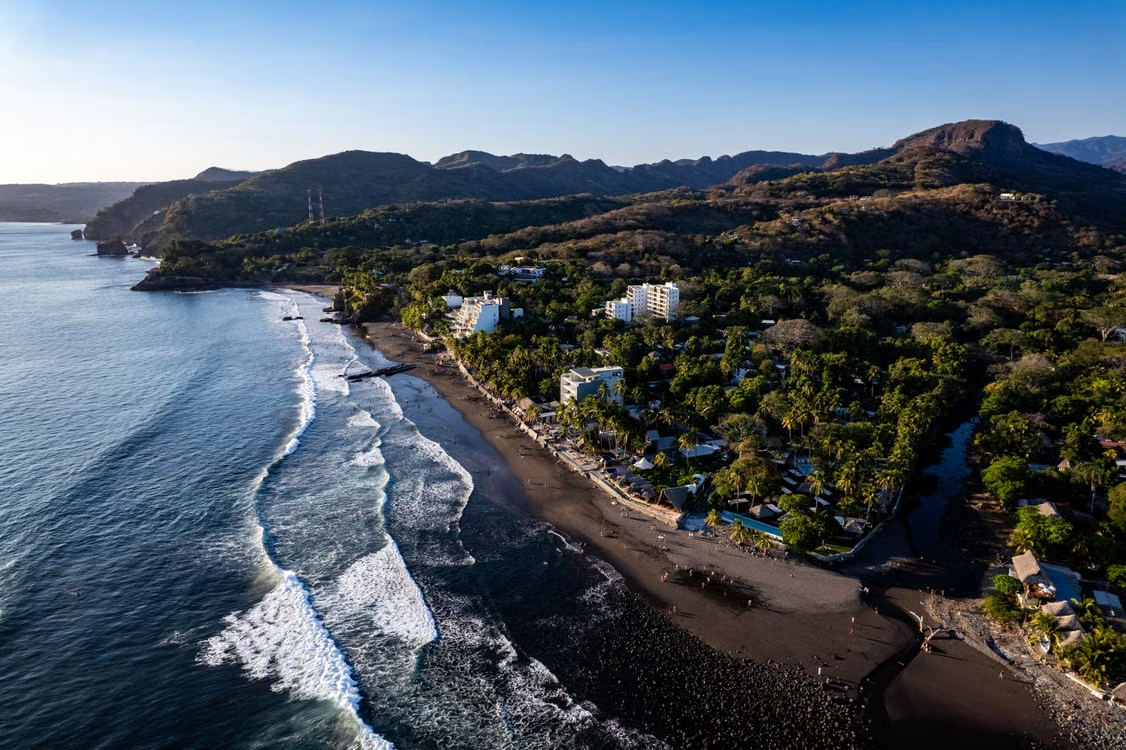
A tropical destination closer to home than Bali or Thailand, cheaper than Panama or Costa Rica, more welcoming than the EU or US, safer than you think, and nobody’s there yet
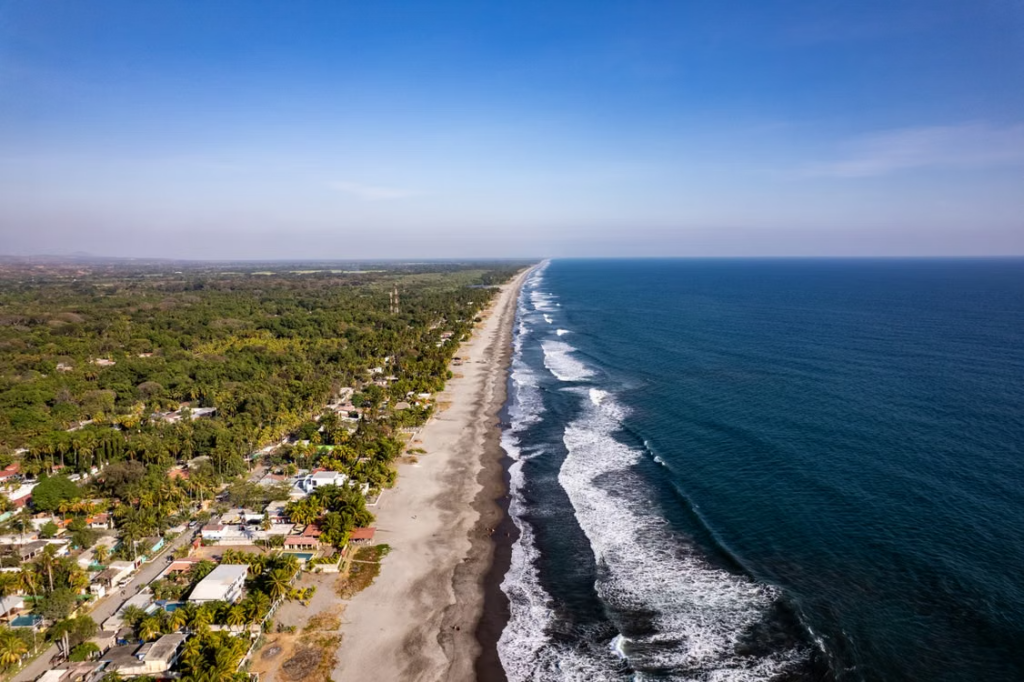
El Salvador.
A Central American country tucked along the Pacific coastline with tropical, palm tree-laden backdrops, people fly to Bali or southern Thailand for — except it’s a direct flight from Houston, Toronto, or Madrid, not eighteen hours. It’s cheaper than Panama or Costa Rica, with beachfront living in El Tunco and cosmopolitan condos in Santa Tecala. It’s safer than most places in the US. Under the right conditions, these ingredients add up to the ideal tropical lifestyle.
But as recently as 2015, El Salvador was the most dangerous country in the world outside of war zones, and unfortunately, that stigma has yet to fade. Even then, this well-earned cautionary image overshadows the inherent potential for a tropical escape conveniently tucked between two continents.
Luckily, in recent years, El Salvador’s shift from “one of the worst options” to “one of the best options…” happened quietly, while few noticed and even fewer are taking advantage.
However, two things still persist.
First, few people are actively visiting El Salvador to enjoy the beach life, which remains a fraction of the cost of Panama and Costa Rica, and even fewer are considering it as a new home. This leaves an uncommon advantage for first-mover expats and nomads willing to taste what El Salvador is offering.
Second, potentially moving to El Salvador, if done right, comes with nuanced risks specifically in location selection, real estate investing, and civil liberties, which shape the best way El Salvador fits into a smart nomad or expat’s life abroad.
For the person who moves quickly with the right information and awareness of the “New El Salvador”, this Pacific gem is one of the best value tropical living destinations in the world right now.
In this guide to moving to El Salvador, I’ll explain why this country is the most high-potential tropical destination right now for nomads and flexpats, why your perspective of the country is likely outdated, and why the improvements that have made it possible are why you should see for yourself soon.
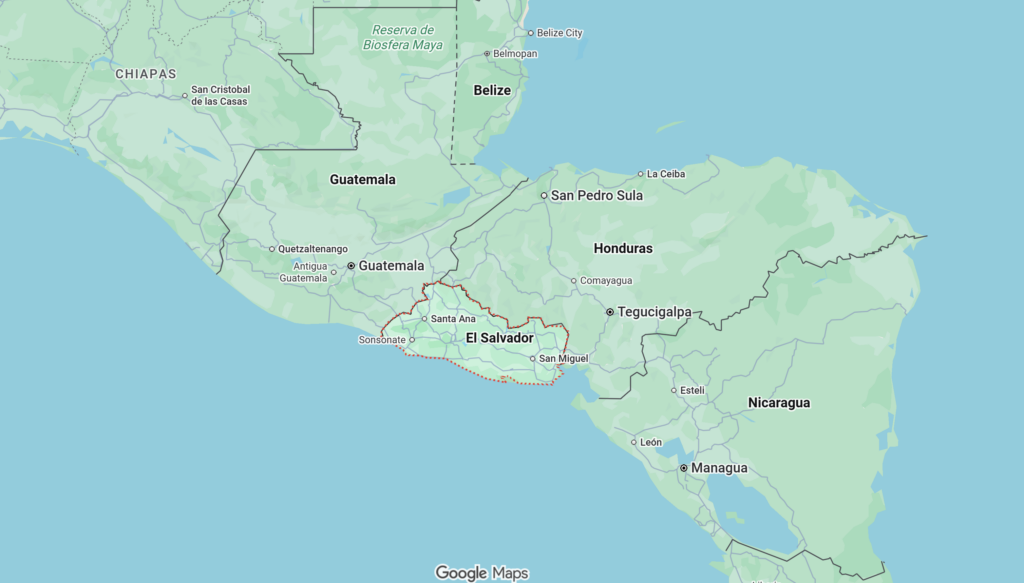

Table of Contents
- Why El Salvador is suddenly a great option
- Who is El Salvador best for?
- …and who should not consider El Salvador
- Is El Salvador safe enough to live in?
- Visas and residency options for moving to El Salvador: Pension, Digital Nomad, Investor, and Rentista
- Taxes Essentials for expats, nomads, and retirees in El Salvador
- How El Salvador does not tax foreign income, dividends, or gains
- Cost of living in El Salvador
- The best places to start a life in El Salvador
- Housing: Renting and buying property in El Salvador
- Healthcare in El Salvador
- Can families live well in El Salvador?
- The best way to test El Salvador before moving
- The biggest downsides of moving to El Salvador
- Final verdict: Is moving to El Salvador a smart move?
- FAQs for moving to El Salvador
- Can Americans move to El Salvador?
- Can Europeans move to El Salvador?
- Is El Salvador safe to live in now?
- How much money do you need to live comfortably in El Salvador?
- Can foreigners buy property in El Salvador?
- Does El Salvador tax foreign income?
- What visa is best for retirees or remote workers?
- Is San Salvador or the Libertad coast better?
Why El Salvador is suddenly on the map
Safety, cheap living, and a beachy climate underpin the “Bali of Latam”
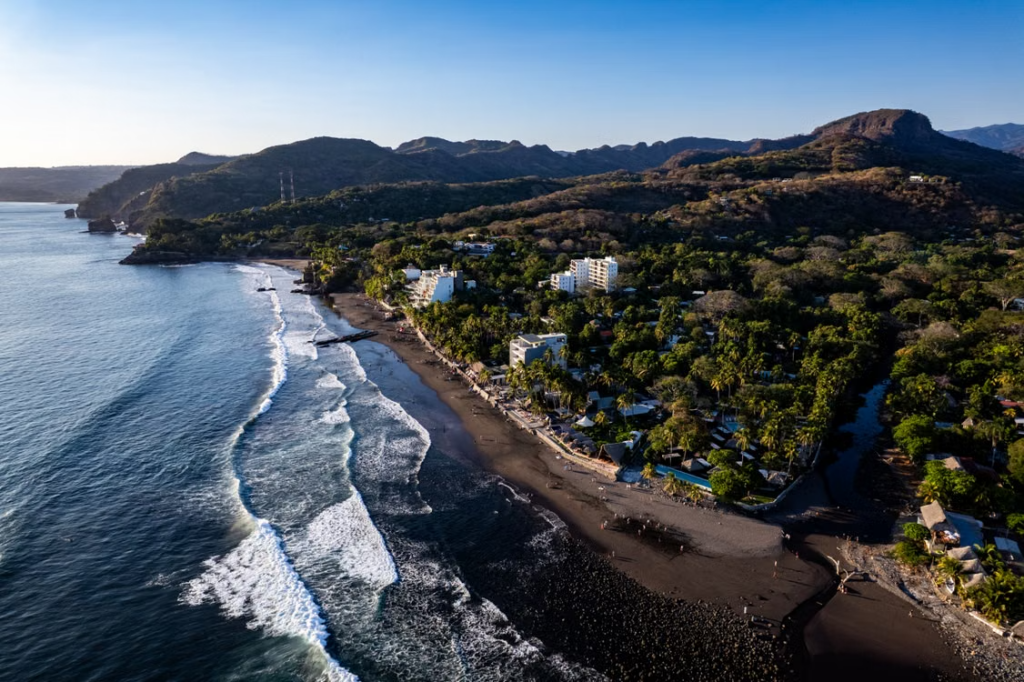
From 2022 to now, El Salvador has shifted from a dangerously unthinkable country inaccessibly tucked in Central America, and statistically one of the deadliest in the world, with little appeal to foreigners, to a potential destination seriously worth considering for low-cost, high-quality living in a tax friendly expat destination close to the US, Canada, and Western Europe, and statistically the safest country in both North America and South America. That is a big shift. A country that not long ago was aptly written off by many North Americans and Europeans as too dangerous to even entertain is now being discussed as a possible base, surf, retirement, and linger between travels as a near-U.S. geoarbitrage play.
Why?
In the “New El Salvador,” several things have lined up at once that add up to easy potential as a flexpat base or nomad hub.
- Security and daily safety have improved so dramatically that it is one of the safest places to live in both Latin America and North America.
- The country runs on the U.S. dollar.
- The capital airport is an easy flight from North America (direct to Houston), Europe (direct to Madrid), and amazing third-country destinations in Latam – from nearby Costa Rica, Panama, coastal Mexico, and Colombia, to Patagonia, Galapagos, and the wine regions of South America.
- There are real residency and property pathways – for passive income holders (Rentista Visa), pensioners (Pensionado Visa), digital nomads (Visa Nomada Digital), and aspiring investors and business owners (Investor Visa).
- The tax situation is one of the friendliest globally, with generally no tax on foreign income, especially compared to top choice destinations, affording a “tax-free” situation for those receiving income from abroad, and allowing maximum benefit of home country tax benefits like Foreign Earned Income Exclusions.
And unlike many dream destinations that feel exciting in theory but logistically annoying in practice and require a hefty commitment, like most of Spain, Italy, France, Japan, and Indonesia, El Salvador is unusually realistic and straightforwardly easy right now.
You can land in San Salvador after a four-hour flight from a major US airport, book a monthly stay on Booking.com or Airbnb, and immediately pay in dollars, shop for familiar brands at familiar restaurants and stores, and jump right into daily life in the city. Alternatively, you could take a $25 Uber and an easy 45-minute ride to start a life on the Pacific beaches, plugging in almost instantly into the ideal tropical expat lifestyle. Plus, if this is your first time in El Salvador, you get a fast read on whether the place actually works for your life.
That said, moving to El Salvador is not a generic tropical-paradise story. The country still carries the caveat of real institutional development in progress as they figure things out, while they actively improve and civil-liberties caveats as the “state of exception” that made this impressive level of safety possible remains part of the national reality, and those curtailed civil liberties and detention risk apply to foreigners too.
The serious case for moving to El Salvador is not that everybody should do it. It is that a specific kind of person should look hard at it. The tradeoffs are real, but the upside is immense. The story of El Salvador is still being written, and an adventurous flexpat could benefit immensely from planting their feet here early.
For the right nomad or expat, the appeal is a beautiful and walkable coastline, great surf, volcanoes to hike and explore, tropical scenery as a backdrop, a slower pace of life than in the US, Canada, and western Europe, dollarized simplicity, and luxury at a low cost. El Salvador delivers all of this within the ambiance of Latin American cultural vibrance and warmth in a location close enough to the U.S. that the country can feel more like a local regional base accessible for a weekend than a one-way leap.
Putting it all together, coastal El Salvador has the makings of an old-Canggu feeling, Bali style, bohemian coastal village destination in Central America, and the cityscape of San Salvador delivers El Poblado, Colombia style living (but with no nomad or flexpat community yet), but closer to home and with a more familiar consumer environment.
Other great destination guides for curious flexpats
What El Salvador actually is now: a country of luxurious community and and neighborhood “bubbles” with developed corridors connecting them, and works in progress beyond this network
The most useful way to understand El Salvador in 2026 is not as a fully transformed country. It is better understood as a livable ecosystem of bubbles and corridors, connected as a network that offers a great quality of life within that network and is largely undeveloped beyond it. This makeup is not a dealbreaker — many countries in Latin America and Southeast Asia are structured this way unintentionally – but knowing this helps you better decide 1) is El Salvador an option for you as a place to live and not just a vacation destination, and 2) where within this growing network best suits your needs?
This intentional development, and the livable network and ecosystem it creates, is happening in five “nodes”, which add up to five location options for your expat life or nomad base in El Salvador.
**
- The Cityscape: San Salvador and the historic center (and the existing upscale communities of Zona Rosa and Santa Tecla)
- The Coastal Villages: Surf City and the Pacific Coast: El Tunco, El Zonte, El Sunzal, Puerto de La Libertad on the Pacific Coast of El Salvador
- Beach to Coast Corridor: The Santa Tecla to La Libertad strip of highways and development
- The Second Coastal Project: Surf City 2 (Southern Coast): Punta Mango, El Espino, Las Flores, and El Cuco on the Caribbean Coast.
- “Second City” Revitalization: Santa Ana and San Miguel to revitalize the infrastructure and economy of “second cities” in El Salvador
The linking idea across these five projects and locations is that the government in El Salvador is aiming to build a beautiful, planned, and networked community with its heart in the capital of San Salvador, then connect it via well-developed arteries to the coast. This will create a developed network to live comfortably in and travel across, as a foundation for El Salvador’s more livable future, rather than upgrading the whole country evenly at once.
Because of this network development approach, if you travel to El Salvador now, the most talked about areas of El Centro, Zona Rosa, and El Zonte, the zones feel polished, clean, and surprisingly coherent, and if you wander beyond these zones, the other areas still feel much more ordinary, uneven, or clearly in transition.
The flagship example of this “showcase development” is the Historic Center of San Salvador.
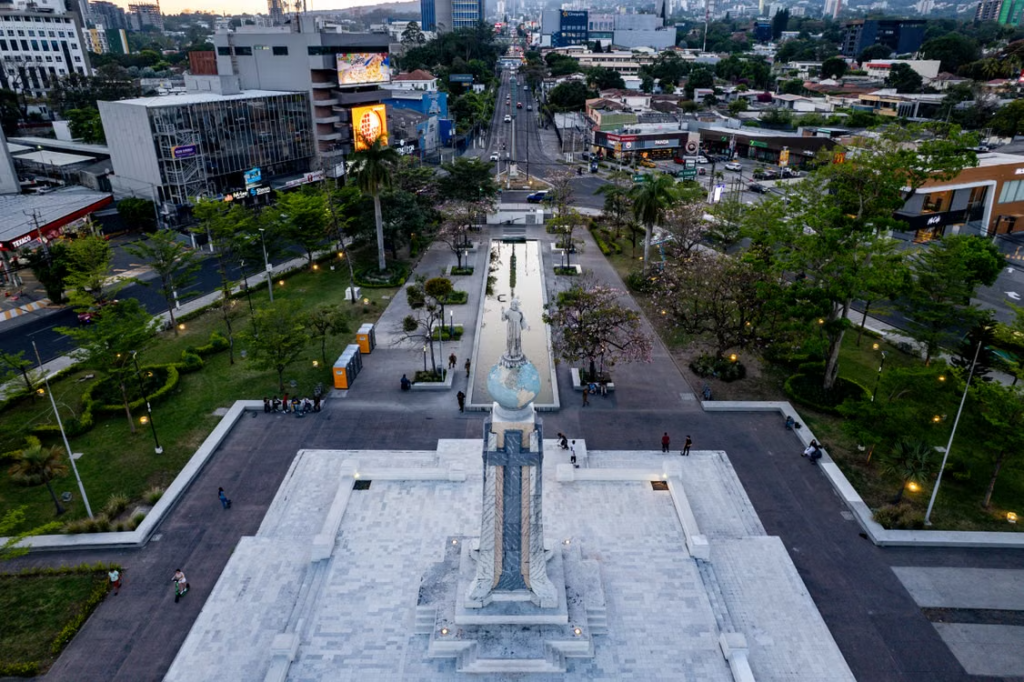
The very visible and impressive “El Centro” area is a formal redevelopment zone with its own planning authority, simplified permit structure, tax incentives, and a deliberate push to pull private capital into this defined district, as a jump start for projects, and hopefully investment, to follow. Significant public and private investment has gone into the center since 2023, including street repairs, underground cabling, and restoration activity, with funding coming not just from El Salvador, but also investments coming from the World Bank and private investors. Look closely at the old-world inspired architecture, and it becomes clear that the Italians are acting as consultants on how to revitalize a vibrant historic center – leveraging knowledge from renovating countless historic areas in Italy.
If you walk the zone of the historic center any night of the week, you’ll be able to tell from the plentiful clusters of families, couples, and friends enjoying the European-style barrio that the projects aim to bring the people back and help them live better, is absolutely working.
The second major example of El Salvador’s redevelopment strategy is the Surf City project, and its “capital-to-coast” corridor.
El Tunco, El Zonte, El Sunzal, Puerto de La Libertad, and the surrounding beaches, which resonated a vibe similar to the small yet charming alleys in Bali’s surf villages before the swarms, do not just feel better connected by accident. These areas have been the subject of branded public infrastructure programs, robust highway works, wastewater projects, and other public investments that aim to make the coast feel less like a collection of random beach towns and more like a designated growth corridor, branded as “Surf City,” El Salvador.
**
A third zone is the Santa Tecla to La Libertad strip – corridor made up of a 16-mile highway winding through the mountains between the capital’s Santa Tecla neighborhood and the La Libertad beach city, and the development projects adjacent to it. This large urban-regeneration push is being backed by public and private multilateral financing that targets streets, plazas, parks, markets, and public services as parts of the capital-to-coast infrastructure.
A fourth zone is the eastern coast under Surf City 2. This is more than a surf rebrand. The government’s plan reportedly includes roads, schools, health facilities, water and sanitation, and support for tourism development in nearby places such as Punta Mango, El Espino, Las Flores, and El Cuco.
A fifth layer involves secondary-city and connectivity upgrades in the interior of El Salvador, such as El Salvador’s second cities of Santa Ana and San Miguel. These are planned, and emerging as secondary nodes, with market reconstruction and central-area improvements designed to revive economic life. Visit Santa Ana and San Miguel even briefly, and you’ll notice that the register of the mood sits high above the quality of the infrastructure, which is promising. During my visit, the locals were friendly, and café owners and restaurateurs were chatty in a way that boasted happiness with the present and hope for the future. This mood boost came secondary to the security improvements, allowing them to live their lives, working by day and out by night, and hopefully observing as improvements in the capital trickle towards them in these second cities. Unlike many places in the world where political promises of “your town next” are followed by silence, the El Salvadorian government is pushing quickly to “attach” these cities to the existing development network project and build the same comfort and infrastructure in them.
For the potential flexpat, this means that El Salvador not only offers postcard destinations with palm trees and beachy buzz, but quieter and simpler places to settle in safety, comfort, and low cost, akin to the expat gems in Colombia’s zona cafetera and southern Europe’s rural countrysides.
Lastly, the airport modernization program underpins the same broader push: make El Salvador easier to access, easier to sell, and easier to invest in. As the government runs a project to improve and build out the capital city’s airport, the existing direct flight options from the US and Europe will grow as well.
Between all of these locations, as you explore El Salvador, you’ll notice freshly paved, wide roads, accessible with your average American oversized car, making driving across El Salvador, or hopping an Uber, easy, as you balance a life between city living and coastal chill.
This is why understanding El Salvador’s current “bubbles-and-corridors” development and revitalization framework matters. It tells the truth. El Salvador is not yet a broad, evenly distributed national renaissance. It is a showcase-development model, similar to what started the Dubai tourism boom, built around safety, symbolic districts, tourism corridors, and visible urban upgrades.
The future will tell if this development extends beyond these nodes. In the meantime, this is why one of El Salvador’s “new” location options could be the right fit for you.
Who is moving to El Salvador best for? Latin American culture and coast are craving nomads and expats with portable income and portable lifestyles
Right now, El Salvador is best for travel lovers with portable income and portable lives. If you can work remotely, live off investments, run a location-flexible business, or fund life from retirement income, El Salvador is a viable option. The geoarbitrage value of a portable foreign-sourced income brought to El Salvador buys 2x what it would in the US and Europe, and the barrier of “how do I make money in El Salvador” keeps most potential expats out, leaving the opportunity to you and a few of your flexpat friends.
However, if you need the local economy to finance your lifestyle, working or building a local business from scratch, El Salvador is clearly noted for you. Jobs for expats in El Salvador aren’t common or easy to come by, and those that do exist pay wages so low that it kills the enjoyment and lifestyle maximizing potential of living in El Salvador.
The strongest personality fits for El Salvador are:
- Remote earners who want a dollarized (all pricing and spending happens in dollars, with bitcoin as a close second currency for purchases) country close to the U.S.
- Surfers and lifestyle-driven nomads who value the coast and life in Latin America
- Investors and small business owners (primarily in the real estate and high-density tourism sectors, riding the development wave) are willing to accept some frontier risk.
- Retirees receiving steady pensions or passive-income-receiving households that want lower costs without going far from North America.
**
“Partially” moving to El Salvador, with 3 to 6 months in El Salvador and the rest of the year elsewhere, is also a compelling option for people who simply want a place to “base” in the Americas part of the year. For example, splitting half the year with summer in the villages of southern Europe or Japan and “winters” in El Salvador as a warm, affordable base in the Americas. If what you want, in that second country in your plan, is a place with real pockets of comfort, familiar daily conveniences, rising safety, and easy access back to the U.S. or Canada, El Salvador can play that role unusually well. In that sense, it is one of the best “limbo destinations” in the hemisphere for people between phases, between countries, or between heavier commitments.
Lastly, for individuals prioritizing tax implications at the base, aiming for tax friendliness in the form of no taxes on foreign income and exemptions on foreign capital gains, business income, dividends, and retirement income, El Salvador offers a tax-friendly environment for nomads and expats living off portable income.
…and who should not consider El Salvador: Those seeking vast children’s education options, local employment, or “first world polish” immediately
El Salvador is a fantastic destination and living option, and one progressing quickly, but it is still a work in progress and not fit for everyone.
From my friendships with families abroad, I believe families with younger children in need of medical care and older children in need of top-notch educations should be the first to reconsider.
Families that want international private schools and big-city level education choices that will make their children competitive for top international universities, from an educational standpoint, should reconsider. Though educational needs for younger children abroad often come with lots of flexibility, especially if augmented with education opportunities by the parents, El Salvador currently does not have a strong representation of international schools that would sufficiently prepare middle schoolers and high schoolers for top-notch universities. If you have children who (you hope) are gunning for Harvard, Oxford, or Peking University, El Salvador doesn’t have easy-fit education opportunities to get them there.
Additionally, those with very particular medical needs, or in need of accessible high-quality care, such as older at-risk populations or those with health issues requiring specialized treatments, should reconsider before moving to El Salvador. Significant efforts and large projects are underway to improve medical care nationwide. At the moment, medical care, especially the availability of specialized medical care, outside of San Salvador drops off quickly.
Who else El Salvador isn’t for:
People who need polished public institutions, operating perfectly with Swiss efficiency by the letter of the law on day one, will have a frustrating time in El Salvador. El Salvador is improving and packed with opportunity, but it is still Latin America, with a Latin American pace of life and Latin American pace of business.
People who assume the entire country now offers the same quality of life, and don’t expect intentional selection of “where” to be necessary in their moving process.
Anybody arriving without a portable income.
That last point, about coming with financial resources, matters most. El Salvador works very well as a geoarbitrage move if you arrive with income or resources sourced from a stronger economy. A remote salary, pension, investment income, or business income turns the prospect of living in El Salvador into a strategic economic option. Trying to recreate a North American quality of life on Salvadorian locals’ wages is a different equation entirely, as local wages do not buy a great quality of life, and there aren’t many local employment options for foreigners anyway.
Is El Salvador safe enough to live in?
This is still the first question most expats and nomads considering El Salvador need answered.
Is El Salvador safe?
The simple answer is yes, as El Salvador has the lowest crime rate of any country in North America or South America (tied with Canada). You will be safer and less likely to experience violent or petty crime than in any other country in the Western Hemisphere.
The “but” comes in that the means by which El Salvador’s president achieved this impressive feat was temporarily suspended constitutional rights, meaning you won’t have these constitutional rights either while in El Salvador for the foreseeable future. So, being on your best behavior is essential during your stay.
So, the honest answer is that the cleanup of major crime has been real, but the institutional tradeoff has also been real. Those two facts have to be understood together at the same time.
Older commentary about El Salvador often reflects a very different country. For years, it was associated with gang violence, thanks to MS-13 and Salvadorian immigrants deported from the US, “importing” gangs, organized crime, and kicking off the cartel environments that drove the growth in crime and violence. In 2015, El Salvador’s homicide rate peaked at 105 per 100,000 according to the Council on Foreign Relations, making it not only the deadliest country in the Western Hemisphere but the deadliest country in the world at the time. El Salvador had a public image so damaged that many people never considered it as a place to even visit.
However, since 2022, and the reforms and initiatives President Bukele has enacted, as of 2024, the homicide rate dropped to 1.9 per 100,000, which is the lowest across Latin America, North America, and the Caribbean, and tied with Canada as the safest country in the Americas.
(Data Sources: Statista; Homicide Rates in Latin America and the Caribbean)
During my time in El Salvador researching its livability and suitability for flexpats and nomads, I walked more than 50 miles throughout the capital, the coastal region, and smaller inland cities, actively looking for remnants of the danger that previously existed. While there are visible cues of how things used to be, such as dilapidated neighborhoods waiting for the revitalization wave, leftover graffiti, and lingering vigilance habits in the population – in how they walk or look over their shoulders a bit more as dusk nears – that show Salvadorans are still adjusting to their new, welcomed tranquility, I didn’t find a single cue, instance, or hint of actual danger anywhere. In terms of safety, the entire journey felt on par with that of the safety of Southeast Asia.
The current reality is this: violent crime has been aggressively suppressed, visible disorder has dropped sharply, police and security presence are plentiful, obvious, and effective, and many foreigners will feel far safer than they initially expect. At the same time, petty crime, road-safety issues, and common-sense risk have not disappeared, especially outside the best-known zones, outside of the development corridors, and in smaller or more remote towns. Even if the old danger has been smothered, basic caution is still part of daily life, and throughout El Salvador, it will feel and is safer than anywhere else in Latin America.
However, the “state of exception” also has to be treated seriously. The same crackdown that made the country newly thinkable for tourists, investors, and expats has also brought sustained criticism over detentions, due process, and suspended constitutional protections. That matters less for the backpacker fantasy and more for the person considering a real life in El Salvador. Consider that involvement in recreational drug use, or in anything that could be perceived as organized crime, can result in detention without trial and no recourse, even as a foreigner.
The current U.S. State Department advisory for El Salvador is Level 1, but it still explicitly warns about nighttime intercity travel, detention risks under the state of exception, and the continued suspension of constitutional protections.
But the bottom line is this: El Salvador is safe enough for a serious test stay and, for most people, safe enough to live in. But it is not a country you should romanticize as fully solved. It is a country that has swung hard in one direction and is now becoming livable inside that new order.
Visas and residency options for moving to El Salvador
One of El Salvador’s strengths is the number of real visa and residency pathways for longer stays rather than just short visits. The official migration site already lists multiple temporary-residence categories, including pensionado, rentista, studies, investor, business, and others.
The “90 Day Tourist Visa” CA-4 Visa Waiver: 90 Days initial entry to explore, but shared with the other Central American Countries
Most nomads and expats enter El Salvador on the “CA-4” visa waiver (Central America 4 Border Control Agreement), depending on their home country. This is a 90-day visa-free stay, in which 90 days of permitted entry are shared across El Salvador, Guatemala, Honduras, and Nicaragua for many nationalities, including American citizens and citizens of Canada, the UK, the EU, Australia, and New Zealand.
In practice, your tourist time in one CA-4 country counts against your allotted time (the 90 days) in the bloc. Once you leave the region (all four countries), your 90-day bloc restarts. DGME’s own FAQ says that if a foreigner has already entered another CA-4 country directly from that country, entry into El Salvador must respect the time already granted in the region. (El Salvador Foreign Ministry)
For U.S. citizens, no visa is required for stays under 90 days, but travelers must buy a $12 tourist card on arrival. (Travel.state.gov)
That 90-day period is definitely enough time to scout the country properly. For more time, your two options are 1) an extension or 2) a temporary residency.
DGME has an official tourist extension process. The agency’s guide shows “Solicitud y pago de prórroga de turismo” as an online service, and its tourist-extension instructions say you download form F44 or F45, email it to [email protected], and if approved, you receive an online payment link and then an appointment for passport stamping.
A Note: As of June 2026, a proposal currently being approved would change temporary-resident physical-presence requirements to 90 days per year, but it was still described as a proposed amendment at the time of reporting, not yet final law. If you are planning on a temporary stay as an option, keep changes to this law in view.
El Salvador Long Stay Visa Options
- Pensionado: F7 Residencia Temporal Pensionados, and a separate F33 Residencia Definitiva para Pensionado for permanent residence
- Rentista: F8 Residencia Temporal Rentista
- Investor: F4 Residencia Temporal Inversionista
- Digital Nomad Visa (Visa Nomada Digital)
- Business Visas:
- F3 temporary residence with work authorization
- F5 business
- F6 commercial representative
- F11 shareholder
- F12 sole trader / individual merchant.
- Student Visa
- Freedom Visa: For $1,000,000 Bit Coin investment
Note: The Digital Nomad Visa is rumored but not confirmed and no official application portal or process exists yet
Pensionada Visa
The minimum qualifying income for a Pensionada visa is $1,226.40 per month as of April, 2026.
A “residente pensionado” must have a monthly, permanent, stable pension from abroad of at least 3 times the current El Salvador official monthly minimum wage.
(Source: El Salvador’s Ley Especial de Migración y de Extranjería, Article 144)
The official Ministry of Labor (MTPS) announcement states that the minimum wage was last updated to $408.80 per month, effective June 1, 2025.
3 x $408.80 = $1,226.40 per month, minimum for the Pensionada visa
Rentista Visa
The minimum qualifying income for a Rentista visa is $1,635.20 per month as of April, 2026
A residente rentista must have a monthly, permanent, stable income of at least 4 current monthly official minimum wage in El Salvador.
4 x $408.80 = $1,635.20 per month, minimum for the Rentista visa
(Source: El Salvador’s Ley Especial de Migración y de Extranjería, Article 145)
Digital Nomad Visa: Rumored, but not confirmed yet
Though there have been claims that a digital nomad visa would be launched in 2025 and allow 12-month stays renewable up to four years, official sources have not confirmed that a digital nomad visa exists, and no official form or application exists for it yet.
Freedom Visa: The path to citizenship via Bitcoin
El Salvador is offering the ‘Freedom visa’ tied to a $1,000,000 bitcoin investment and immediate citizenship. (Invest in El Salvador official government site)
Permanent Residence Options
The most usable official summary comes from Invest in El Salvador. It says:
- Central Americans can apply for permanent residence directly in San Salvador.
- Latin Americans and Spaniards can apply after one year from long-stay visa approval.
- All other foreigners can access permanent residence after the third renewal of their temporary permit. (Invest in El Salvador)
Path to citizenship in El Salvador
El Salvador does have a path from residency to citizenship by naturalization for foreigners. DGME’s official page lists F38 and F39 for nationalization/naturalization procedures, and El Salvador’s Constitution says:
- Spaniards and Hispano-Americans of origin may naturalize after one year of residence.
- Foreigners of any other origin may naturalize after five years of residence.
- A spouse of a Salvadoran may naturalize after two years of residence, before or after the marriage.
Taxes in El Salvador for expats, nomads, and retirees
Tax friendliness is one of the biggest reasons El Salvador is newly compelling for flexpats and nomads.
El Salvador operates a territorial tax framework, meaning most expats’ foreign income will not be taxed by El Salvador, and that Salvadoran-source income is taxed locally. For North Americans or Europeans with offshore income, remote income, or investment income, these potential tax savings can be appealing.
Beyond just living in El Salvador, nomads that require a tax domicile abroad to “save” on taxes at home, such as Australians or Americans hoping to claim a Foreign Earned Income Exclusion based on bona fide residence, a Salvadorian long stay visa, and the tax residency it brings, along with excluded foreign earned income, present some great possibilities.
On March 12, 2024, El Salvador’s Legislative Assembly approved a major amendment to the Income Tax Law (specifically adding numeral 4 to Article 3) that makes foreign investments, dividends, profits, and interest on foreign deposits tax-exempt (as reported by EY). There are no wealth, gift, or inheritance taxes in El Salvador; there are no property taxes on real estate, and under the 2021 Bitcoin Law, transactions in Bitcoin are exempt from capital gains tax.
The Salvadorian tax friendliness is real, but it is not the same thing as tax-free. Americans will still have U.S. filing obligations no matter where they live, which means El Salvador can be part of a smart tax strategy without replacing one. However, the Salvadoran tax friendliness combined with the US IRS Foreign Earned Income Exclusion and Foreign Tax Credit can easily add up to a tax-free lifestyle.
Sources: EY, PwC, Ministry of Finance (Ministerio de Hacienda)
Cost of living in El Salvador
Cost is one of El Salvador’s strongest selling points, but the country is not the cheapest place in Latin America, and not every category feels cheap. However, El Salvador can still deliver great cost-to-livability for the right person, especially relative to the US and Europe. And considering the luxuries and quality of life El Salvador affords, especially compared with the U.S., Canada, Costa Rica, or Panama, El Salvador can be a great geoarbitrage option.
Cost of living in El Salvador generally feels comparable to Mexico’s while delivering more safety and easier access to a near-U.S. lifestyle.
Because El Salvador is dollarized, day-to-day prices stay stable across the board, and the expat is not dealing with the wild currency swings that happen in Argentina, Indonesia, and the like. However, as word gets out, the places foreigners and wealthy Salvadorians frequent will inevitably increase in price. If El Salvador remains safe and stable while security deteriorates in the rest of Latin America, any costs that you haven’t locked in (i.e., rent) will continue to rise. That makes early testing and locking in a good rental especially important.
Estimated Monthly El Salvador Cost of Living for a Single Remote Worker or Nomad
- San Salvador premium urban base: $1,500 to $2,200 per month.
- La Libertad coast: $1,600 to $2,400 per month.
- Santa Ana/inland: $1,100 to $1,700 per month.
Estimate Monthly El Salvador Cost of Living for a Couple:
- San Salvador: $2,300 to $3,300
- La Libertad coast: $2,400 to $3,600
- Santa Ana/inland: $1,700 to $2,700
Estimate apartment costs for a 1-bedroom, 1 bathroom:
- San Salvador: $770 outside the center and $899 in the center
- La Libertad coast: $600 to $850 per month on average. Luxury, modern, furnished apartments can run $1300 to $2000 per month.
- Santa Ana/inland: $300 to $500 per month
Things that will be surprisingly cheap
- Local meals: Pupusas, tamales, pastelitos de carne, sopas, etc.
- Local beer: Pilsener, Suprema, Golden, Regia, etc. from the national brewer, and great artisanal beers from Cadejo, Santa Coraje, Brew Revolution, Caminito Chocos, and La Osadia
- Public transport: Shuttles and long-haul local buses (e.g., Santa Ana to San Salvador) are commonly only $1
Things that will be surprisingly expensive
- Electricity/utilities
- Premium rentals in the best neighborhoods, such as Santa Elena, San Benito, and Colonia Escalon
- Imported goods: Imported foods and electronics are the most common high-cost imported items.
- Regional flights: Oddly, it is often cheaper to fly to the US than to fly to Costa Rica, Panama, or South America for most flights – depending on how far in advance you book.
El Salvador budget essential cost examples
- 1BR city-center apartment (San Salvador): about $900/month average; reported range about $700 to $1,150.
- Dinner out: inexpensive restaurant meal about $7; mid-range dinner for two about $45.
- Chain meal: about $7.00 (Denny’s, Wendy’s, Starbucks, etc.).
- Coffee: A cappuccino in a café is about $3.25.
- Beer: domestic draft about $2.00; imported bottle about $3.50.
- Groceries: a single person’s non-rent monthly spend in San Salvador is estimated around $750 overall; individual staples include milk at around $7.20/Gallon and eggs at around $2.60/dozen. For the most accurate grocery prices, visit the online ordering storefront for a grocery store in San Salvador, like www.SuperSelectos.com (Super Selectos is the most common grocery store for expats) or www.PriceSmart.com. To do this, “shop” for a month of your normal groceries and use those to build a more accurate mock budget.
- Coworking: San Salvador does have coworking, but it is generally pricey and rare. Regus at World Trade Center has workspace from about $400/month, which is pricey and upscale. El Zonte’s most popular coworking space costs $15 per day or $10 for a half day of coworking on “Bitcoin Beach”. El Tunco (beach area) does not currently have any dedicated coworking spaces, but cafes are coworking-friendly if you order a cup of coffee and practice proper “coworking nomad etiquette”.
- Private health insurance estimate: a realistic international-insurance market estimate is roughly $150 to $500+ per month, depending on age, coverage, deductible, and whether the U.S. is included.
Transportation costs
- Uber from San Salvador to El Zonte is ~$22 to $30
- Uber in San Salvador across town is $3.50 to $8 (between the main parts of town)
- Local bus from Santa to El Salvador is $1 (local buses between regions are generally $1)
- Flights to the US are $125 to $175, if traveling to the main southern hubs and booking a couple of months in advance. From El Salvador to Los Angeles is $175, to Houston is $150, to Miami is $150, and to New York is $150
Elements that drive your costs up in El Salvador
While everyday life throughout El Salvador can be cheap for a foreigner living in El Salvador intentionally and earning dollars from abroad, that depends on living “more local” and closer to the life of the average Salvadorian. However, certain products — usually ones that lean upmarket or are heavily sourced from abroad — can spike your cost of living fast.
The following are the major categories that will break your budget if not consumed with intention.
- Accommodation in premium neighborhoods
- Furnished rentals
- Air conditioning and electricity are used heavily
- Imported groceries and imported alcohol
- Private health insurance
- Car ownership
- Living in surf-heavy coastal zones.
A note on utilities as the biggest surprise expense:
Utilities are a surprisingly important budgeting pressure point in El Salvador. Numbeo and anecdotes from multiple expats currently describe San Salvador as one of the more expensive utility markets in the Central America sample it tracks, and a standard 1BR-equivalent utility bill can be meaningfully higher than most expect. That same pattern will apply throughout the country. So, in the same category, if you shop for apartments with air conditioners and plan to run them frequently in El Salvador’s hot summers, plan on housing costing 20% or more higher than the “average” budget.
The best places to live in El Salvador
San Salvador and the greater capital area
If you want maximum convenience, the capital region of San Salvador is the obvious starting point. If you are considering El Salvador to geoarbitrage city life, and your day revolves around the structure of remote work and accessible conveniences, start here.
San Salvador is the best fit for people who want private healthcare, malls, chain stores, supermarkets, familiar brands, schools, and the broadest service base in the country. Daily life here feels very much Americanized, and that is not a criticism. For many newcomers, this familiarity lowers the transition friction and makes the adjustment far easier than in more rustic destinations or other parts of the world.
From my own first visits in San Salvador, after weeks navigating the sketchy and difficult conditions busing through rural Honduras, Nicaragua, and Guatemala, walking into a Denny’s for a hot pot of coffee and simple French toast ordered from a menu in English and paid for in US dollars was a mind-altering relief. Similarly, San Salvador will be one of the easiest destinations for many Americans to transition to.
Housing in the capital varies widely by neighborhood, furnishing level, security, building age, and whether the unit has air conditioning, and ranges from guarded apartment buildings and condos to suburban houses in secure compounds. A good apartment in one of the better areas, such as El Tunco, can run around $800. For your own research on a neighborhood-by-neighborhood basis, Airbnb is the best research tool for apartment price estimation, assuming the price of your apartment will be ~60% to 75% the total price of monthly Airbnb rentals (when selecting only apartments with a monthly rate), when you finally include utilities, internet, and rental fees.
The pros of living in San Salvador are clear: Convenience, healthcare, consumer familiarity, stronger infrastructure, and access to everything.
The cons are also clear: Traffic, more urban stress, higher rents than elsewhere in the country, more dependence on rides or a car, and less of the beach-and-volcano fantasy that draws people to El Salvador and Central America in the first place.
Ultimately, San Salvador is both a strong base option and the best place to begin a test stay.
The Best Neighborhoods in San Salvador: Santa Elena, San Benito, Escalón, Zona Rosa, and Antiguo Cuscatlán
These neighborhoods, Santa Elena, San Benito, Escalón, Zona Rosa, and Antiguo Cuscatlán, are the obvious expat-landing neighborhoods and adjacent zones, and suit the broadest range of serious expats. This is especially true for people who want the softest landing, the cleanest daily routine, and the shortest path to a comfortable life. If your ideal move is one where you can arrive, get organized, shop easily, use private healthcare, work online, and settle in without fighting the environment, start in one of these neighborhoods.
Daily life in these areas feels polished by Salvadoran standards and unusually familiar by regional standards in the US and Canada. This is where you will recognize fast-casual restaurant options, supermarkets, and the general sense that adjustment for Americans is easier here than in many other Latin American destinations. Denny’s, Pizza Hut, Wendy’s, Popeyes, Starbucks, and more abound within eyeshot. Even if you don’t consume these, just a look around will feel comfortingly familiar. Housing in these areas runs toward furnished apartments, higher-end condos, and some larger family homes, and is proportionally pricier than the Salvadoran average.
The tradeoff is that these neighborhoods give you a curated version of the country that doesn’t necessarily feel authentically Salvadorian or vibrantly Latin American. While Mexico, Argentina, and Brazil give a palpable vibe that feels filled with Mariachi, Samba, and Asado, these Salvadorian options will deliver simple, convenient, and comfortable. That is useful during an initial stay, or for specific cases, but it is not the whole, authentic Salvadorian story. Treat these neighborhoods as the easiest landing zones, not the whole of El Salvador, and plan to explore if you want to feel the real El Salvador.
La Libertad coast: El Tunco, El Zonte, El Sunzal, and Puerto de La Libertad
If the capital is the practical base, the La Libertad coast is the dream engine.
This stretch of coastline suits surfers, bohemian lifestyle-driven nomads, tropical flexpats, and anyone who wants warm water, Pacific swell, beach energy, and a slower rhythm.
La Libertad coast is where the country feels closest to Bali’s old Canggu in developed spots and Thailand’s old Koh Tao in less developed spots: tropical, surfable, increasingly organized in a convenient way, however still close enough to North America to avoid feeling remote.
What daily life here feels like on the coast depends on where you land, as the cities sit on a spectrum of lively to calm, polished to rustic, backpacker-centric to luxurious, and so on.
El Tunco is the denser, more social, more backpacker-and-nomad-facing option.
El Zonte is calmer, more curated, and more obviously connected to the Bitcoin branding as “Bitcoin Beach”.
El Sunzal is dedicated to access to surf.
Puerto de La Libertad increasingly looks like a Salvadorian coastal node in transformation rather than just a pass-through port town.
Across all of these locations, housing runs toward furnished rentals, surf-town apartments, guesthouse-style units, boutique villas, and some co-living/coworking options.
The pros of La Libertad coast are obvious: surf, scenery, lifestyle, and a younger international energy.
The cons are just as real: more seasonality, a thinner base of daily services than in the capital, and housing markets that move up in price quickly as each place becomes fashionable and mentioned internationally (I am likely doing myself a disservice by mentioning these here).
Santa Tecla (neighborhood of San Salvador)
Santa Tecla will work well for people who want a calmer urban setting while staying tied to both the capital and the coast. It offers a middle path: less intensity than central San Salvador, but still close to major services and close to the highway “artery” that connects the capital to the coast. If the city feels too hard and the beach feels too soft, the Santa Tecla neighborhood is the flexible compromise.
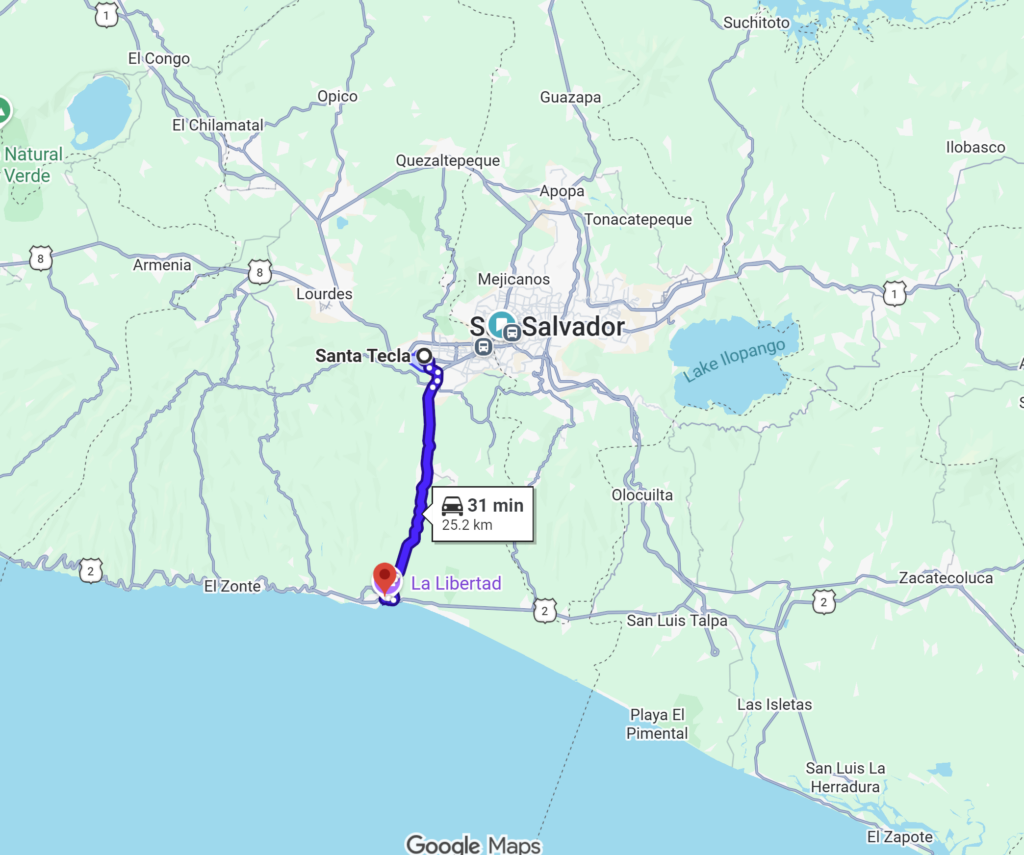
Housing here is mostly apartments, family homes, and suburban-style neighborhoods.
Santa Tecla also holds potential for the future via El Salvador’s planned developments. The more the “capital to coast corridor” is regenerated and connected, the stronger Santa Tecla becomes as a practical residential option accessible to all of El Salvador’s highlights.
For many nomads and expats, Santa Tecla is one of the smartest places to rent first and evaluate over time. The tradeoff is that it is still tied to metro traffic and still not as plug-and-play as the premium expat micro-zones.
Santa Ana: El Salvador’s quaint second city
Santa Ana is one of the strongest inland options for expats and nomads who want lower costs (very low costs by Central America standards and norms) and a more grounded Salvadoran city experience. At the moment, Santa Ana is much less polished than San Salvador, with tiny streets, narrow sidewalks, and the kinds of one-story colored houses that make the area look like a rural Mexican pueblo. In exchange, the city gives you access to volcanoes, mountain scenery, and a different rhythm than the capital and coast. Housing leans toward cheaper apartments and houses than the capital, plus lake-area and countryside options nearby.
One of my favorite experiences in Santa Ana was urban hiking from the city center, through the poorer area of the city, and up to the mountain top that bears a cross overlooking the city. Along the way, I encountered nothing but smiles, hellos, and curious pups, as well as laughs and people pointing me in the right direction. On the mountaintop, the locals treated me as one of them — lighthearted and out of breath. The hilltop view out towards the horizon showed a city clearly in transition, with history, warm people, and charm growing out of the past, barrios in transition next to gated communities.
**
If you want something more productive than coastal living, calmer than city life, and more authentically connected to Latin America, consider Santa Ana.
The pros are lower costs, more local texture, and access to some of the country’s best inland day trips.
The cons are weaker infrastructure than the best capital and coast zones, and more uncertainty around healthcare quality for long-term residents.
Ruta de las Flores, Ataco, and nearby mountain towns
For slower mountain-town living, the locations dotting the Ruta de las Flores and nearby are some of the most appealing locales in the country. They suit slow-living seekers, mountain-town romantics, writers in search of a cottage, coffee people, and retirees who do not need big-city service density, along with anyone who wants a slightly cooler climate, small-town social life, and a more visibly “Salvadorian” pace. Housing options are mostly boutique rentals, guesthouses, and country homes, with fewer turnkey long-term apartment options.
The tradeoff is obvious. These towns are for a certain kind of person seeking what comes with living in a less developed region of a mountainous, tropical country, positively and negatively. If you need healthcare depth, serious urban conveniences, or a plug-and-play expat setup, these mountain towns are unlikely to be the right answer for you at first. A move inland toward authenticity makes more sense once you’ve already grown tired of the generic city or touristy coastal vibes — not as your first stop in the country.
Southern coast and emerging areas
The southern coast is an interesting opportunity for adventurous surfers, speculators, and early movers who explicitly want less-developed territory. If Surf City 2 and related public works continue to push south and east, places like Punta Mango, El Cuco, and nearby beaches could become far more important over the next several years. Housing inventory is thinner here, with more land and house speculation than mature long-stay rental ecosystems.
**
That said, emerging areas like these are for people who understand risks. The attraction is lower entry prices, less crowding, and proximity to future corridors.
The downside is exactly what makes them interesting: thinner infrastructure today, more execution risk, and less certainty about how the national story continues to develop and play out in these areas specifically. These are not the easiest landing zones. They are where frontier-minded buyers and long-horizon observers should pay attention.
Renting and buying property in El Salvador
For most foreigners moving to El Salvador, renting first is the smart move.
El Salvador is still too uneven, too corridor-driven, and too early in its current story to buy blindly as a foreigner without insider knowledge and an intimate understanding of the country’s history and future trends. The right approach is, on arrival, rent an Airbnb, learn the geography, test the neighborhoods, and talk to agents and locals well before you commit to anything more.
As you initially search through AirBnB for places to stay, pay attention to how an apartment’s air conditioning (or lack thereof), furnishing level, building quality, and neighborhood make a massive difference in the price on Airbnb, because the overall rental market will display the same patterns. There will be $500 a month apartment options and $2000 a month apartment options, all fair market price, located near each other, and determined by these factors.
When it comes time to actually find a home to rent, Facebook Marketplace, Facebook groups, and on-the-ground networking are the best practical tools for finding an apartment after the initial AirBnB or Booking.com facilitated short-term stay.
Can foreigners own property in El Salvador?
Foreigners can generally own property in El Salvador, with the following notes:
- Titles run through the CNR property registry (Centro Nacional de Registros)
- There is a 245-hectare cap for any one natural or legal person
- There is a real estate transfer tax of 3% above a certain threshold.
Title and real estate due diligence and notarial work should be treated as mandatory if you consider buying property in El Salvador. This is not a market where optimism replaces process, or the informal market and regional government processes trump official government processes (like in Southeast Asia). If you do decide to buy, plan on verifying title, boundaries, easements, taxes, and the actual condition of the asset via an attorney checking the national registries well before negotiation. The more tempting the story, like the dirt-cheap near oceanfront property next to El Zonte, the more disciplined your due diligence should be, because the market here is very effectively priced, and if it is too good to be true, it likely is.
The smartest El Salvador real-estate perspective is this: El Salvador offers opportunity, but it is still early enough that anyone considering investing should think like disciplined frontier buyers, not like vacation-dream buyers.
Healthcare in El Salvador
Healthcare is one of the clearest factors to focus on when deciding between a good place to spend time and a good place to live and stake everything on. In El Salvador, the key healthcare split is public versus private healthcare, and considering healthcare in the capital versus beyond the capital.
Private hospitals in San Salvador should be the practical default for North Americans and Europeans, based on embassy recommendations and common wisdom shared among experienced expats in El Salvador.
Despite broader healthcare system improvements underway throughout the country, most foreigners will care less about the national public-health architecture than about where they would actually go when they need competent care tomorrow. The highest quality, most reliable hospitals are in the private healthcare system around San Salvador. On the private healthcare side, the best care is heavily concentrated in the capital. The U.S. Embassy’s medical assistance page says many providers on its list have overseas training, are familiar with U.S. medical practice, and that many physicians speak English. Private hospitals such as Hospital de Diagnóstico also show acceptance of major international insurers such as Bupa, VUMI, Tricare, UnitedHealthcare, and others, which matters for expats.
Understanding healthcare in the capital matters most, because this is where you’ll most likely and most often need to go.
On the public side, the World Bank approved a 2025 project specifically aimed at improving access to quality services through a primary-healthcare-based system, which tells you that the system is improving and that capacity gaps still remain. (World Bank)
However, healthcare quality drops off as you move away from the main urban centers. Second cities are workable for some routine needs, but the farther out you go, the thinner the medical depth becomes. This does not make inland or coastal living impossible. It does mean your healthcare plan will need to be deliberate if you live outside the capital.
If you choose to live in El Salvador, especially outside San Salvador, think about your healthcare and access plan before you need it.
For new arrivals, reliable travel insurance, such as Safetywing or World Nomads, is the minimum. For longer stays, an expat-oriented international policy – such as CIGNA, Aetna, or IMG Global – may make more sense.
For older movers or anyone serious about health maintenance, it is more rational to treat El Salvador as part of a broader regional medical strategy, with Panama, Costa Rica, Mexico, or Colombia serving as medical-tourism anchors, depending on the procedure and the level of care needed.
A Smart Health & Geoarbitrage Consideration: Should you consider medical tourism in other, nearby countries for elective procedures instead of in El Salvador?
For routine specialist visits, diagnostics, imaging, and ordinary private care, San Salvador’s private sector is good enough that many expats will not need to leave the country. For high-end elective procedures, very specialized surgeries, or medical-tourism-style package care, I would still prioritize Costa Rica, Colombia, Mexico, and Panama, because those countries have deeper international hospital ecosystems and more established medical-tourism reputations and track records than anywhere in El Salvador. That is an inference, but it is consistent with broader regional medical-tourism rankings and hospital visibility.
The Takeaway for Expat Medical Care in El Salvador: El Salvador’s healthcare offerings are credible enough for everyday private care if you are based near San Salvador, but less so away from the capital. In either case, for retirees, financially independent expats, and nomads, international health coverage and medical tourism for elective procedures should be considered for your plan.
Daily life and living in El Salvador
This is where the country often surprises people.
Daily life in El Salvador is easier than many expect.
In El Salvador, the U.S. dollar is used everywhere, which lowers friction immediately. Recognizable U.S. chains and consumer brands are common, especially in and around the capital. Supermarkets, restaurants, rides, and day-to-day spending can feel familiar enough that the country reads as accessible rather than exotic.
That American influence is not all of El Salvador, but it is strong enough to matter. For Americans in particular, the adjustment can feel lighter than in destinations like Guatemala or Argentina, where every errand requires a cultural reset. This is why El Salvador recently works well as a first move abroad for some people, or as a seasonal base for people who want Latin America without quite as much friction.
Spanish still matters. A newcomer can survive without much Spanish fluency and the aid of Google Translate in the easiest zones, but life improves magnitudes once you can communicate beyond the basics. Salvadoran Spanish is more formal and easier to follow than some regional varieties, like Argentine or Uruguayan, while everyday caliche (the local Salvadoran Spanish dialect) can still throw learners off. But hang in there, and a more vibrant daily life will be your reward.
Food life is one of the easiest sells for El Salvador. Pupusas are cheap, delicious, and ubiquitous in a positive way, and were, for me, extremely addictive. Fresh fruit, vegetables, and seafood are cheaply accessible everywhere, and the sense that eating can still be simple and satisfying without becoming expensive is a common luxury. At the same time, be aware that some imported groceries and niche goods (thick sriracha or Asian spices) can be more expensive than expected, especially once you start shopping like a foreigner rather than like a local.
Connectivity in El Salvador
To stay connected, an e-SIM on arrival** combined with Whatsapp are the best option, and will last indefinitely (until you upgrade to a local SIM later).
Getting around: Use Uber
Uber works and is worth being a primary way of getting around because it adds a layer of predictability and safety that I, and many foreigners, value. It works just like at home, with your US credit card or paid cash in US dollars.
If you are living in the country in the long term, places such as PriceSmart and Super Selectos are part of the real infrastructure of daily life.
Police are visible.
The social environment often feels warm and family-oriented, and group and family gatherings are common, which gives the country a social, lived-in feel rather than a sterile resort feel.
But the annoyances are real, too: humidity, mosquitoes, noise, loud music, high electric bills if you rely on air conditioning, and the fact that not everything will be as cheap as a first-time reader expects.
Banking in El Salvador as an Expat: Are local accounts really necessary?
For a short-term expat or nomad, no, local Salvadoran bank accounts are not necessary.
Because El Salvador is dollarized, you can function for a while with foreign debit/credit cards, cash, and ATMs in the main corridors. For a long-term resident, a local account becomes very useful for:
- Landlord transfers
- Utility payments
- Local payroll
- Smoother local e-commerce and recurring payments.
Ultimately, a local bank account is not essential on day one, but is increasingly useful by month three and close to essential if you lease long-term, hire staff, or plan to live in El Salvador indefinitely.
How easy is it to open a local bank account in reality?
Based on current bank checklists, opening a local account is much easier once you have residency or at least a local tax number, address proof, and a local paper trail. It becomes much harder for a brand-new arrival who only has a foreign passport and no Salvadoran documentation yet, just like in most South American countries.
What local banking options are realistically available, and what is required to open an account
Bancoagrícola: for foreigners, the bank’s account requirements include a passport or resident card, Salvadoran NIT, proof of domicile such as a utility bill, and proof of local ties such as an employment letter, lease, or tax return, depending on the case. (Bancoagrícola)
Banco Cuscatlán: for foreign customers, published requirements include a passport, resident card, NIT, and sometimes proof of income, with opening minimums that vary by product, often around $15 to $25. (Banco Cuscatlán)
Culture, language, and social fit
El Salvador feels different from Mexico, Colombia, or Costa Rica. It is smaller, more concentrated, more visibly shaped by its recent history, and in some places more obviously under active reconstruction. The result is a country that can feel both hopeful and unfinished at the same time.
People on the ground often project optimism about where the country is headed. The active old center in San Salvador, the crowds on the Santa Ana hike that pointed me in the right direction, and the hopeful conversations I had on the coast all support the idea that the country is carrying a sense of momentum.
El Salvador can be welcoming, especially to ambitious foreigners who arrive with respect and resources, while also making clear that the social divide between polished bubbles and more “in process” areas is still visible.
Can families live well in El Salvador?
Families can live well in El Salvador, but the bar is different from what it is for a solo remote worker or a child-free couple. Once schools, pediatric care, family safety, and activity options matter every day, the geography tightens quickly.
For many child-free movers, El Salvador is easier because they can optimize for surf, sun, mountain life, rural lifestyle, or cost. Families usually need a more robust support system, with healthcare, education, and childcare being significant pivotal points. That means that, naturally, more families will cluster in and around the capital, even if the coast or mountain towns are more emotionally appealing.
The capital region is the obvious center of gravity for families because it offers the strongest access to those necessities – private healthcare, international or English-language schooling options, malls, services, and a more predictable routine. That does not automatically make it ideal. It makes it the path of least resistance. El Salvador will be a fit for some families and not for others, with the capital of San Salvador being the prime spot to test first.
The best way to test El Salvador before moving
The best strategy for moving to El Salvador is the best strategy in real life: Test it properly before you commit.
Do not just spend a week at the beach and convince yourself you understand the country.
A good test stay in El Salvador means sampling the three different El Salvadors.
Spend time in the capital so you understand what the practical base looks like, and where you will go for medical issues, big purchases, and to handle your immigration logistics.
Spend time on the coast so you understand the lifestyle upside and options if you opt for the coastal or bohemian versions of Salvadorian expat life.
Then spend time in at least one inland town, such as Santa Ana or a Ruta de las Flores stop, so you understand how different the country feels once you leave the main corridor, dive into the culture, and embrace a different pace and more “stripped” infrastructure.
Throughout all of this, lean on the same rent-first approach covered earlier: an Airbnb or short-term rental buys you the runway to decide whether you want El Salvador as a seasonal base, a medium-term residency play, a full-time move, or not at all.
Get your visa options in order early, but do not overcommit before the place proves itself to you. This is potent advice for flexpats moving to any country.
Start with flexible accommodations and a light footprint. Then decide whether to rent longer, buy, or pursue residency once the country moves from idea to lived reality. Actively seek to understand all the options available and which works best for you. Gather the paperwork, because it will be the same for any country you choose, and make a plan in case you decide to pull the long-term trigger.
If you are a potential investor: If the El Salvador revitalization and development story via “channels and nodes” proves to be real, durable, and riding its momentum upward, waiting too long could mean paying up later, so start research and planning potential opportunities on arrival, with the default of “no” but the preparations to say “yes”. That does not mean rush blindly. It means pay attention, research, and be ready.
The biggest downsides of moving to El Salvador
El Salvador is compelling, but it is still a work in progress, and this honest notion captures the country’s current stage well. The problem is not that the upside is fake. The problem is that some people may mistake early momentum for full maturity and a completed story.
Understanding the downsides is essential to a sober, balanced understanding of El Salvador.
The first downside is uneven development. Walk off the map, and the divide between poverty and affluence becomes obvious. Quality of life is concentrated into pockets. Outside the bubbles, the country feels more ordinary, more fragile, and less polished.
The second downside is institutional risk. The current safety picture is dramatically better than the old one, but it is tied to a hardline governing approach and a still-contested legal environment. That does not automatically make the country a bad bet. It does mean the national story is still closely bound up with politics, execution, and an undetermined future.
The third downside is healthcare access away from the capital, as we discussed.
The fourth is economic structure. The Salvadoran economy still does not have a deeply underpinned economic engine in the way some more developed countries do. Tourism, remittances, trade with the U.S., and public-finance support (from the UN and other countries) are all relied on heavily at the moment, and the continued development of the government’s five target locations, and beyond, depends on this continued flow of money.
The fifth downside is that portable income is not optional for most foreigners who want the good life here. If you lose the geoarbitrage advantage, many of the reasons for relocating to El Salvador evaporate.
Then there are the everyday annoyances that you need to acknowledge before a long-term move. Humidity. Mosquitoes. High electric bills. Noise. Imported appliances can cost more than expected. Groceries that don’t feel as cheap as the fantasy suggests. These aren’t necessarily deal breakers, but they are the details that likely determine whether you actually enjoy the country after the honeymoon period ends.
Finally, there is the risk of over-romanticizing the early-mover narrative. El Salvador may keep rising. But you should not confuse being early with being guaranteed to be right.
Final verdict: Is moving to El Salvador a smart move?
For some people, yes. For others, not yet.
El Salvador is one of the best tropical destinations in the world for flexpats and nomads right now – accounting for landscape, weather, costs, taxes, visa ease, ease of everyday life, and accessibility.
El Salvador is strongest as a strategic lifestyle base, a surf base, a regional base, or a tax-aware near-U.S. relocation play for someone who arrives with portable income. If you understand the corridors, accept the institutional tradeoffs, and test the country properly, it is one of the most interesting opportunities in the Americas right now.
If, on the other hand, you want broad first-world systems, local employment opportunities, uniform livability across an entire country, or the certainty of a fully mature expat destination, El Salvador is still not there yet, and not for you.
That is why the real conclusion is not that El Salvador is a hidden paradise. It is that El Salvador is compelling, with conditions. Read it correctly, and one of the smartest global moves you could make before the crowds. Misread it as a uniform success story, and you will misunderstand both the opportunity and the risk.
Other Destination and Moving Guides
- Moving to Thailand Guide
- Moving to Brazil Guide
- Moving to Colombia Guide
- Moving to Uruguay
- Moving to Argentina Guide
- Moving to Bali Guide
FAQs for moving to El Salvador
Can Americans move to El Salvador?
Yes. Americans can visit for 90 days visa-free and, depending on their goals, may also have temporary-residence pathways such as pensionado, rentista, investor, or business-related options. Exact eligibility and process details should be checked against the current migration guidance before moving. And smart expats should test El Salvador before committing to a full move.
(Learn more about options for Americans moving to El Salvador)
Can Europeans move to El Salvador?
Yes. Many Europeans can enter for an initial visit on a 90-day visa waiver and then assess whether a longer-stay or residency route makes sense. As with Americans, the details vary by nationality and route, so review current official migration guidance for further information.
(Learn more about options for Europeans moving to El Salvador)
Is El Salvador safe to live in now?
El Salvador is safe enough to seriously consider and test, yes. Safety in El Salvador has improved dramatically since its worst in 2015, yet the broader legal and institutional tradeoff remains part of the picture. But El Salvador is currently one of the safest countries in the Americas, according to data from 2024 and on-the-ground perspectives in 2026.
(Learn more the safer new El Salvador)
How much money do you need to live comfortably in El Salvador?
That depends heavily on whether you choose the capital, the coast, or an inland town, and on what standard of comfort you want, but a $1500 to $2500 budget is sufficient for a single traveler, and $2500 to $3500 is likely sufficient for a couple. Your budget should have 6 to 12 months of living expenses for your target destination, in addition to a 6-month emergency fund.
(Learn more about the Cost of Living in El Salvador here)
Can foreigners buy property in El Salvador?
Generally, yes, foreigners can buy property in El Salvador, but buyers should verify current ownership rules, registry procedure, transfer taxes, and any landholding limits before acting. In practice, strong title diligence and notarial guidance, and the employment of local legal professionals and real estate professionals are essential.
(Learn more about buying property in El Salvador as a foreigner here)
Does El Salvador tax foreign income?
El Salvador operates under a territorial framework and generally does not tax foreign income. Additionally, recent changes have made foreign-source passive income exempt.
(Learn more about how El Salvador doesn’t tax foreign income here)
What visa is best for retirees or remote workers?
For retirees, pensionado is the obvious route to research. For passive-income households, rentista belongs in the conversation.
(Learn more about the specific visa options for retirees and remote workers in El Salvador here)
Is San Salvador or the coast better?
San Salvador is better for urban living, infrastructure, and polished daily conveniences, while the coast is better for a more bohemian to rustic tropical lifestyle akin to island life in Southeast Asia. San Salvador is the practical choice and provides more infrastructure, services, restaurants, and shopping. The coast is the emotional choice that delivers a beautiful coastline and Bohemian enclaves. The best approach is to test both before deciding.
(Learn more about the best locations to live in El Salvador here)
.
.
ABOUT THE AUTHOR
Carlos Grider launched A Brother Abroad in 2017 after a “one-year abroad” experiment turned into a long-term life strategy. After 65+ countries and a decade abroad, he now writes about FIRE, personal finance, geo-arbitrage, and the real-world logistics of living abroad—visas, costs, and tradeoffs—so readers can make smarter global moves with fewer surprises. Carlos is a former Big 4 management consultant and DoD cultural advisor with an MBA (UT Austin) and Boston University’s Certificate in Financial Planning. He’s the author of Digital Nomad Nation: Rise of the Borderless Generation and is currently writing The Sovereign Expat.