
When I initially left home to travel the world, every place felt perfect. Every place felt interesting and satisfying. Likely because every place was new, and at the beginning of my journey, novelty and scintillation were the only payoffs I needed from travel.
These days, nine years later, whether as a nomad working on the road or a flexpat basing in my favorite hubs for a productivity stint, I look for cities that offer something different. Something more.
Now, I seek cities that haven’t been overwhelmed by tourists and influencers. I seek out places that aren’t just cheap but deliver value, and experiences worth more than the price. Lastly, I seek out cities that fit a purpose – a beach city to surf and freedive, a region that delivers deep cultural experience like the nomads of Central Asia and forgotten hill country kingdoms of Thailand, a mountain town as a walkable place to focus on fitness and be productive, or a social hive to meet like-minded wanderers.
While there are hundreds, even thousands of cities around the world worth visiting, there are only a handful perfect to work in, play in, and retire in, and they change with the times.
These 7 cities that follow are underrated options in Southeast Asia to travel, nomad, and base in right now, and I recommend considering them to visit and even potentially retire in.
No matter where you are in your own journey, these cities are the best cities to experience right now that the crowds haven’t overwhelmed yet.
Table of Contents

A Quick Overview…
- Why Southeast Asia: Safe, cheap, great value, and destinations hard to replicate elsewhere
- Siem Reap, Cambodia: Cheap, only realistic second passport option in Asia
- Hiriketiya, Sri Lanka: Canggu, Bali before the chaos, a bohemian surf town, great
- Ella, Sri Lanka: Ubud, Bali before the chaos, a quiet jungle mountain haven
- Pai, Thailand: Peace among the rice fields, live music, community
- Da Nang, Vietnam: The Miami of Southeast Asia with international access
- George Town & Penang Island, Malaysia: Family and retiree friendly
- Kuala Lumpur, Malaysia: Big city living and Singapore lite for ridiculously cheap
- How to decide which one is actually best for you…
Why Southeast Is Still a Top Tier Base for Both Nomads and Expats today
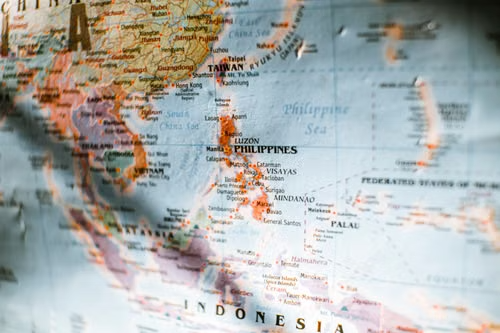
Southeast Asia is still one of the safest regions in the world. I still remember my brother’s shock on a video call when I walked outside of a café to speak to him, leaving my laptop, wallet, and bag on the table. “What?!?! That would never be possible in the US!” he said. I realized that, even in Latin America, considering the “Papaya Rule,” such carelessness would have been impossible without losing at least my wallet. Even with all of the chaos reported on the news elsewhere around the world, to this day I still rarely lock my door anywhere in Southeast Asia.
Whether you are a single female, LGBT, or just a regular human being who wants to feel safe, Southeast Asia is still a potent hub of cities where you can walk around at 3 AM with zero issues, and safety is the base case, not a luxury.
Southeast Asia isn’t just cheap; it delivers amazing value. Bolivia is cheap, but lacks the safety and infrastructure of Thailand for the same price. Albania is cheap, but lacks the convenience and polish of Kuala Lumpur’s system of megamalls and metros. Tulsa, Oklahoma, is cheap, but lacks the walkable variety of nature, cultural depth, and the mind-blowing food scenes that you’ll find dotting Vietnam.
Cheap is great, but value is what you really want.
Every city on this list could be lived in as an expat for ~$1500 per month; a price impossible to live on in the US, in Europe, and in most of Latin America. In 2026, SEA still delivers possibilities for a quality of life few other places in the world do, and for less than 1/2 the price of the more expensive alternatives.
Southeast Asia doesn’t just deliver life for cheap; it gives you a quality of living and satisfaction that will alter what you expect in return for your hard-earned money going forward.
Southeast Asian cities are all culturally rich yet culturally diverse from one another. The region’s most noteworthy hubs today are actually centuries old, and sometimes millennia old, civilizations with different religions, languages, foods, and vibes between them. This means that while a three-hour flight in the US takes you from Arizona to Texas, places that still feel relatively the same to outsiders, a three-hour flight in Asia takes you from Vietnam to Japan, the Philippines, China, or Kuala Lumpur. Though you may initially think “yeah, it’s still Asia,” the motorbike chaos and street food scene of Hanoi is worlds different than tropical and slow Langkawi, and plenty of other destinations that will, after you lightly scratch the surface, feel like completely different worlds.
If you get outside the English-speaking tourist and expat bubbles in each place, you’ll fall through layers of scintillating food and culture as Pho gives way to fired street foods, which give way to curries or Chinese/Indian/Island fusion. You can take full advantage of this by basing in your choice city for comfort (like Da Nang or Kuala Lumpur), and taking advantage of a world travel options conveniently at your doorstep (Japan, Laos, Kazakhstan, Nepal, Turkey, etc.).
Because of these and a host of other reasons, I highly recommend Southeast Asia as the beginner-friendly starting point for any nomad jumping into the life, or any aspiring Sovereign Expat transitioning from the real world to the dream of a life abroad and looking for a base that fits a solid ExpatFIRE plan.
So, what Southeast Asian cities are still worth starting with at this moment? And where is it still worth returning to?
1. Hiriketiya, Sri Lanka
The best of Bali’s beach life, from yesteryear, without the gaudy glaze or crowds. A walkable boutique surf and café nomad hub at the starting edge of Sri Lanka’s natural adventures.
Sri Lanka is aptly named the “Pearl of the Indian Ocean” and purportedly a hiding place of the Garden of Eden. Warm waters crashing against endless beaches, lush greenery, and beautiful wildlife make this island state worth experiencing on its own. On the Southwest tip of Sri Lanka, beyond the busyness of the capital of Colombo and exposed to the Indian Ocean, Hiriketiya bares itself as a beautiful beach village escape akin to what Bali’s Canggu surf village paradise was like when it was still tucked between endless green rice fields in 2015, before the villa boom, before the traffic, and before the “bad foreigner” alarms on social media.
Sri Lankans have a chill, friendly island vibe, as if you’d sprinkled Bob Marley vibes on South Asia. The mellow and smooth crab and seafood curries are as addictive as the fresh tropical fruits and veggies you’ll find everywhere. A burgeoning wellness scene, built around surfing, yoga, and all things movement, happening against a jungle backdrop adds up to a rare combination that makes this place a gem among global competitors, yet still just raw enough for some Wabi Sabi daily life and authentic living, uncrowded enough to still feel pleasant.
Hiriketiya, as a long-term escape, benefits specifically from being just out of reach of weekend tourism from Colombo, and is also the start of the wilder and more adventurous parts of Sri Lanka, such as Yala National Park, on toward Arugam Bay, and north into Ella.
To put this town’s possibilities into context, Hiriketiya was the first place I had great surf, and the following day, after driving my own tuk tuk along the coastline and through jungles, I was sharing bananas on the side of the road with a wild elephant. And my stay only got better after that.
Tulum and Canggu had their day. If you want to rewind the clock to the good times they lost, start in Hiriketiya, stay for a while, and then keep going.
What Hiriketiya offers: Social life in a small, dense footprint.
Hiriketiya’s entire nomad scene fits inside a walkable bay, which means you’ll actually run into the same 40 people at the same three cafés, a faster path to real community than a sprawling hub where everyone’s scattered across neighborhoods.
The gap between “surf town” and “productive base” usually comes down to one thing: a strong internet connection backed up with a generator or battery for the power cuts. Hiriketiya’s better coworking spots have solved this, so confirm it before you commit to a month.
Hiriketiya is best for:
Sun and sand craving remote workers or runaways that want a walkable island paradise for a stay of a few weeks to a few months with adventures in between, with some surfing on the side.
Top neighborhoods:
The Hiriketiya Bay strip along the horseshoe-shaped Hiriketiya Beach bay, for surf access and the coworking/coliving cluster (Verse Collective, DOTS Bay House, Nomadico).
Dikwella and Dikwella Beach, immediately adjacent, for quieter stays with a five-minute scooter ride to the same beach.
Accommodation in Hiriketiya:
Guesthouses and private rooms run $20 to $60 per night for shorter stays; monthly rates in coliving spaces and long-term guesthouse rentals land in the $400–$800 range. It is best to book the first week on Airbnb or Booking.com to secure somewhere comfy and assured and lower the stress of planning; then, after arrival, negotiate month-to-month rates directly with guesthouses once you’re on the ground, as most drop 30–40% off nightly rates for stays over three weeks, but this can only be found in Hiriketiya.
Estimated monthly budget in Hiriketiya:
$900–$1,400 all-in for a single remote worker, covering a private room or small bungalow, local meals mixed with Western café culture, and a monthly coworking pass. Costs won’t vary much above this, as the beach life in Hiriketiya doesn’t afford many opportunities to splurge. Also, this budget and place are built for shorter-term stays.
A worthwhile splurge to consider is renting your own tuk tuk, which runs $300 to $450 per month. With your own three-wheeled adventure mobile, you can drive yourself around Sri Lanka and explore. While some cities on this list are places to stop and build, Hiriketiya is a starting point to experience a vast, adventurous place, but pleasant enough to stay for weeks to months at a time.
Sri Lanka Visa options:
Sri Lanka overhauled its long-stay options in 2026. The standard tourist ETA now starts at 30 days, but can be extended in the mobile app to roughly six months in-country for $85, by extending for 60 days on the first extension and 90 days on the second. The new Digital Nomad Visa, launched in February 2026, grants one year of legal residence (renewable) to remote workers earning income from outside Sri Lanka, with a $2,000 monthly income requirement and a cost of $500. To renew the visa after the first year, you must register for Sri Lankan taxes.
- Sri Lanka Digital Nomad Visa Guidelines (Official)
- Sri Lanka ETA Visa Extension Details
- Sri Lanka Electronic Travel Authority (Official Site)
The Honest Downsides of Hiriketiya:
- Beware of Monsoon Seasons: Heavy monsoons from May to September, “light” monsoons in October and November.
- Accommodation on par with Chiang Mai and Da Nang will be pricier: Less development and fewer options mean the polished properties will be pricier.
- Less convenient (and more rustic) than other nomad hubs: No delivery apps or rideshare apps
- Less variety than other hubs, as walkable and small is a feature, food, cafes, and options in general will be limited, and that scarcity will be felt more during long stays.
Where to know beyond Hiriketya: The disconnected surf village of Arugam Bay for vacations within a stay is arguably the best surf spot in Sri Lanka with an amazing point break, and Ella as a jump-off point for the inland, mountainous jungles.
2. Ella, Sri Lanka
A quiet jungle haven. Bali’s Ubud green, peaceful vibes from decades past, and before the tourist crowds
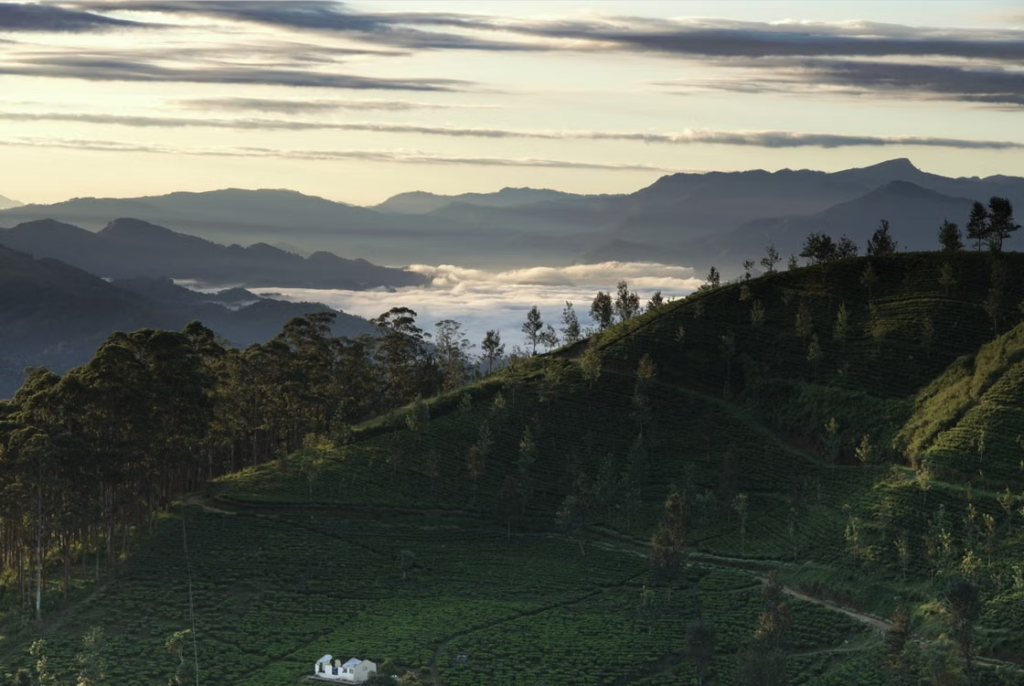
Sri Lanka being the Pearl of the Indian Ocean doesn’t mean that the ocean and beach are all it has to offer.
Inland, the lush jungles, high country, and tea plantations are so beautiful they’ve sparked rumors that the Garden of Eden could be in Sri Lanka. And within the jungle, highlands, greenery, and clusters of free-roaming wildlife, Ella is the jungle alternate village to Hiriketiya.
Ella trades Sri Lanka’s warm beaches for green highlands with cooler mountain air, mountain views, and rent that undercuts even Hiriketiya. Sri Lanka is following Bali’s footsteps as a tropical fitness and wellness hub, with Hiriketiya serving as the grittier surf spot, and Ella delivering the version surrounded by hilly hiking and waterfalls. If Hiriketiya was Canggu before the boom, Ella is Ubud in her heyday.
Top neighborhoods in Ella:
The town center near Ella Rock and Little Adam’s Peak, for walkability and café access, and the outskirts toward Demodara, for tea-estate views and even more space per dollar.
Accommodation in Ella:
Basic houses and apartments run $200–$400/month; mid-range bungalows and villas with garden or mountain views run $400–$800+. Shared dorms and guesthouses go as low as $100/month. Facebook groups covering Sri Lanka digital nomads and long-term rentals are the most reliable source for real, negotiated rates, while foreigner-facing booking sites quote much higher.
Use Booking.com or Agoda to lock in a nice place for a week and explore. If the vibe fits you, check Facebook groups and marketplace as recommended to find a deal and place that suits you.
Estimated monthly budget for Ella:
$650–$1,000 for a single remote worker, with the low end achievable by eating almost entirely local Sri Lankan food (rice and curry runs $3–$5 a meal) and the high end covering more Western food and weekend trips to Nuwara Eliya or Yala National Park. Ella has many Western gyms, bar/restaurants, eateries, and hotels popping up, so it’s easier for the budget to get looser here.
Sri Lanka Visa options:
Same visa options as Hiriketiya with the extended tourist ETA (30 days, up to 180 days with extensions) or the new Digital Nomad Visa (1 year), since both apply nationwide.
The Ella Opportunity: Wellness and reset
Ella’s cool highland climate and quiet pace make it the deliberate counterweight to Sri Lanka’s coastal nomad hubs. Hiriketiya is where you socialize. Ella is where you go to actually finish the project with cooler evenings, thinner crowds, and a nightlife scene that shuts down by 10 pm on weeknights. The opportunity for peace and quiet is either a selling point or a dealbreaker depending on what season you’re in.
Internet in the hill country is a step down from the coast. It is reliable enough for async work and most calls, but less forgiving if your job depends on flawless connection all day. So, be sure to test the internet at the guest house before you sign a month-long lease.
3. Pai, Thailand
Pai is Ubud without Bali’s immigration headaches, traffic, or price inflation, but still has the mountain views, rice fields, an arguably better social scene, and a five-year DTV visa now backing it up. A network of canyons and rice fields deep in the hill country of Northern Thailand wraps around a tiny village somehow split by a single engaging street (Chai Songkhram Rd) lined with street food stalls, live music, tea shops, poetry readings, and an ambiance that rings of the backpacker travel life from the days when Leonardo DiCaprio was still hanging out on The Beach.
Ella is the quiet, rustic, yesteryear version of Ubud. Pai is Ubud, smaller, more manageable, and locked in time, with live music, spoken word and poetry sessions, and tons of eateries packed into a still peaceful and walkable street. Additionally, it’s more social, with stronger internet, and a wider variety of accommodation options.
Top neighborhoods in Pai:
The walking street core: Chai Songkhram Rd with the reliable Pai Night Market. Every place around Malamong Art Café and Supermoon is a jackpot, close to places worth spending an evening for the cafés, live music, and motorbike-able convenience.
Additionally, the rice-field bungalow belt just outside town offers mountain views and quiet for cheaper that make Pai worth the detour from bigger and busier Chiang Mai in the first place.
Accommodation in Pai:
Condos and long-stay rooms run roughly 7,000–20,000 THB ($200–$570)/month. Average monthly rent across Pai runs around $547 per month. Find monthly listings with fair prices through Facebook groups (“Pai Accommodation” Facebook group or similar names) and by asking directly at guesthouses that catch your eye. Few properties bother listing on international platforms since demand from returning travelers fills them anyway.
Estimated monthly budget in Pai:
$700–$1,000 for a single remote worker; a couple can live comfortably, food and utilities included, for under $1500 combined if rent is split.
Thailand Visa options: The 5 Year DTV is one of the best visas in the world right now
The Destination Thailand Visa (DTV is the one to get, and an amazing opportunity. Five-year validity, multiple entry, 180 days per stay, with one 180-day extension available in-country. A full year per entry without leaving (with the 6-month stay extension). Cost is roughly $400, but varies by embassy, plus proof of 500,000 THB (~$14,500) in a savings or checking account.
A Perk: Potential Thai Tax Benefits
Foreign-sourced income not remitted into Thailand during the same tax year is untaxed under Thailand’s territorial system, though remitting funds into a Thai account can trigger different treatment, so plan your transfers deliberately rather than automatically.
This opportunity matters most for nomads from countries that require them to have an alternate tax residency (like Australia) in order to be exempt from paying taxes while living abroad. So, if this sounds like your tax case, contact a good cross-border tax strategist, then a Thai local tax professional, to consider the options.
If you’re a pensioner, FIRE retiree, or remote worker potentially planning to base in Thailand long term (it’s well worth it), consult a tax strategist to understand the Thai tax side of it, because the situation can be structured to legally reduce Thai taxes and your home country taxes.
The Real Opportunity: Long stay with a Thai lifestyle backdrop
Northern Thailand is a generally amazingly livable base for travels through Asia, and Pai is the cheapest way in. Stack the visa’s five-year window against Pai’s sub-$1,000 budget, and you get a genuinely beautiful and livable long-term home. You can conveniently tap out at any time for busier yet manageable Chiang Mai, or the coastal and island life in Krabi, off-season Koh Pha Ngan, and Phuket for a flight of $50 to $75 (or less) out of Chiang Mai.
Note: Pai empties hard in the rainy season (roughly June–September), and the live-music, community-dinner version of the town you see in every Instagram post is a high-season phenomenon. Additionally, February to May is the rice field bio-waste burning season, so avoid that period at all costs. Visit during shoulder season before committing to a lease, knowing November to January is prime time to live in Northern Thailand. Think about where you’ll run to during the burning season, and calculate that cost in if you opt for an annual lease.
Other Great ABA Resources on Thailand:
- Moving to Thailand: A Complete Guide
- Moving to Chiang Mai**
- Moving to Bangkok **
4. Da Nang, Vietnam
The Miami of Southeast Asia, Da Nang delivers everything you’d normally love about Vietnam, like efficiency, amazing food (beyond Pho and Bahn Mi), rich culture (especially with Hoi An next door), and dirt-cheap prices. However, it delivers all this with an upscale 3.7-mile-long beach walk lined by high-rises and palm trees in a way that puts most claimed “beach cities” to shame, not just in Asia, but around the world.
Beyond the beach, night markets, and countless cafes, the An Thượng and Mỹ An nomad hub neighborhoods deliver everything else you could want or need. All of this is walking distance from beachfront apartment options with fiber-connected internet fast enough for video calls without glitching, and comfortable living that lands under $1,000 a month, and under $2,000 living carelessly and luxuriously.
Top neighborhoods: An Thượng and Mỹ An are the digital nomad neighborhoods that offer beachfront access and the densest nomad/coworking cluster. Hải Châu offers a more local, central feel with lower rent and a short ride to the beach. If, on arrival, Da Nang feels too posh and polished, consider heading an hour south to the UNESCO World Heritage city of Hoi An for more cultural authenticity and a slower pace amongst the rice fields while maintaining the warm, beachy backdrop an hour ride away.
Accommodation: Furnished one-bedrooms near My Khe or An Thượng run $350–$800/month depending on building age and view. However, the catch is local Vietnamese-language rental platforms (Chợ Tốt / nhatot.com) list the same units at roughly half of what English-language, foreigner-facing sites that have manufactured a 2–2.5x gap concentrated almost entirely in the beachside foreigner zone, which has structurally increased prices, so expect that going in. Bring a Vietnamese-speaking friend or agent to the local listings before you accept the foreigner price, and you’ll save a ton.
Estimated monthly budget: $800–$1,300 for a single remote worker is sufficient. This range has widened since 2025 as tourism, an influx of nomads into the favored neighborhoods, and speculative real estate demand pushed prices up, and will likely continue, but it is still cheap for now. The further inland you go and the more local you eat, the lower your costs will sit in that range. Budget toward the higher end or more if you want a beachfront unit in peak season.
Visa options: Vietnam still has no dedicated digital nomad or retirement visa as of 2026. The only current option is the 90-day e-visa (single or multiple-entry), renewed by leaving, renewing while outside of the country and waiting for approval, and re-entering; typically, during a short hop to Bangkok or Kuala Lumpur is the best visa run option. I’ve used Vietnam Visa Pro for years to cheaply and quickly lock in my Vietnam Visa.
Beware that staying past 183 days in a calendar year, or signing a lease that long, can trigger Vietnamese tax residency and tax liability on worldwide income to the Vietnamese government, a detail nomads relying on short visa cycles often overlook but need to keep in mind.
The Da Nang Opportunity: Direct international access
Da Nang International Airport runs direct or one-stop connections to major East Asian hubs (Singapore, Kuala Lumpur, Bangkok, Manila, Seoul, Tokyo, Shanghai) and a growing set of longer-haul routes (Dubai), making it a genuinely workable stop-through point between Europe/US legs and the rest of Southeast Asia, not just a place you fly into and stay. This means, if you have reasons to be in the US or Europe, you could stay for months and handle your business, and then take an easy flight to Da Nang for as long as you can, with the cost of living savings in a single month covering the flight to get to paradise.
Note: The rainy season (October–November) brings typhoons, flooding, and mold that catches first-timers off guard. Ask any landlord directly how their specific building handled the last typhoon season before signing.
Downsides
Visa limitations (90-day max) and the requirement for visa runs (staying away until renewal is complete)
The word is getting out: Da Nang won’t be the same two years from now, and the Vietnamese government is shooting for that, so enjoy it while it’s fresh
Dual pricing for foreigners vs. locals is rampant in everything from housing to taxis to markets, so be aware.
English isn’t widely spoken outside of the expat neighborhood core
5. George Town & Penang Island, Malaysia
A UNESCO World Heritage core, one of Asia’s best food scenes delivered via hawker stalls and dirt-cheap low prices, and a level of safety and walkability that is hard to match globally makes it the strongest retiree-and-family pick on this list.
Top neighborhoods: George Town’s Heritage Zone, for colonial shophouses, street art, and walkable hawker culture; Gurney Drive/Tanjung Tokong, for modern sea-view condos and mall convenience; Batu Ferringhi, for beach-resort living if you want distance from the city center.
Accommodation: Older one-bedroom apartments in the Heritage Zone run RM900–1,400 ($195–$300)/month; modern sea-view condos in Gurney or Tanjung Tokong run RM2,500–5,000 ($540–$1,080)/month. Facebook Marketplace and local agents are much better for the search than international listing sites. Also expect landlords to ask for a 2–3 months’ deposit up front.
Estimated monthly budget: RM3,500–6,000 ($750–$1,300) for a comfortable single lifestyle including rent, hawker food most days with occasional Western dining, transport, and basic utilities. Note that Penang’s rail system won’t open until roughly 2031, so a scooter or car is close to mandatory once you’re outside central George Town.
Visa options: The DE Rantau Nomad Pass is the fit for most remote workers, which requires a minimum income of $ 24,000 per year for tech/digital roles, and $60,000 per year for non-tech professions. The visa is valid up to 24 months total (initial term plus one renewal), with foreign-sourced income exempt from Malaysian tax under a carve-out running through 2026. For a longer-term or family-anchored stay, Malaysia My Second Home (MM2H) now runs three tiers of Silver ($150,000 fixed deposit), Gold ($500,000), and Platinum ($1,000,000), each requiring a mandatory Malaysian property purchase alongside the deposit. MM2H is a real long-term option, but not a budget one. DE Rantau is the accessible route for working nomads.
Strategy opportunity – retiree and family base: Between the UNESCO heritage core, strong healthcare infrastructure, English-language ease, and the DE Rantau tax exemption, Penang is built for people optimizing for stability over social scene intensity. Retirees, families with school-age kids, or flexpats past the “chase the newest hub” phase will find the island to be a hidden, extremely livable gem.
Rent premiums in George Town concentrate almost entirely in Gurney and Tanjung Tokong; the Heritage Zone itself, despite the UNESCO listing, remains one of the cheaper places to live on the island as you’re paying for the sea view, not the history.
Other Pros
Kuala Lumpur delivers some of the cheapest, easiest flights throughout Asia and beyond
English is commonly spoken.
The Penang Golf Club (formerly known as the Bukit Jambul Country Club) is a steal at ~$250 per year (RM1,083.60) and a luxurious treat you’ll find few other places in Southeast Asia
Downsides:
Will seem quiet, socially, for young nomads and singles abroad.
Georgetown has an international airport, but you’ll need a hop to Kuala Lumpur for intercontinental flights.
Learn more in our full Moving to Malaysia Guide
6. Kuala Lumpur, Malaysia
Kuala Lumpur delivers Singapore’s infrastructure and international connectivity at a fraction of Singapore’s price. KL is what you get when a genuine global hub city hasn’t priced out the people building the next stage of their career from it.
The three biggest shockers for me in Kuala Lumpur were how walkable it is, how great the infrastructure was, even compared to many places I’ve lived in the US, and how robust the food scene was.
If you like cities and like to walk, Kuala Lumpur is one of the most walkable cities in Asia outside of Japan. When the summer heat hits, a network of air-conditioned tunnels running under the city and connecting the shopping malls still makes it easy and comfortable to walk anywhere – that’s how next level the city is. A top-notch rail and metro system connects the entire city if you get tired of walking. And just at the city’s edge sits a massive network of hiking trails and forest that you can get to by rail.
Once you’ve walked off the calories, Kuala Lumpur is one of the best places to put it back on. The city’s and country’s history and heritage combine Malaysian (Bumi), Chinese immigrants, and Indian immigrants, so you can find amazing Malaysian, Chinese, Indian, and fusion cuisine throughout the city. From all this culinary opportunity, Malay’s have become foodies on par with northern Thais and the Japanese, and as such, the fusion food scene and their takes on Western dishes are top-notch as well. If you love food, Kuala Lumpur is worth a stop at the very least.
Top neighborhoods: Bangsar, for nightlife, dining, and a young professional crowd; Mont Kiara, for international schools and a family-dense expat community; KLCC, for walkability to the Petronas Towers core and premium towers; Bangsar South, for the best value-to-connectivity ratio via direct LRT/MRT access.
Accommodation: Two-bedroom condos in KLCC run around RM4,500 ($1,020)/month; Mont Kiara, RM4,000–4,200 ($900–$955); Bangsar, RM3,800 ($865). Bangsar South offers the best entry point for solo remote workers, with studios to two-bedroom units from RM1,800–2,800 ($400–$630)/month, with direct rail access to the rest of the city. Use PropertyGuru and iProperty.com.my for listings, and expect well-priced units near transit to get rented quickly.
Estimated monthly budget: RM4,500–9,000 ($1,000–$2,000) for a single expat living comfortably. This is the highest budget on this list, but it still reflects value backing KL’s status as a genuine global city rather than a nomad-budget hideaway.
Visa options: Same framework as Penang with DE Rantau for working nomads ($24K–$60K/year income threshold, 24-month max stay), MM2H for longer-term or investment-anchored residency, or an Employment Pass if you’re taking local employment (minimum salary threshold rose to RM20,000/month as of June 2026).
Strategy opportunity – international routing hub: Kuala Lumpur International Airport (KLIA) is Southeast Asia’s second-largest airport by connectivity, making KL the strongest layover-and-basecamp option on this list for anyone regularly routing between Europe, the US, and the rest of Asia. This is backed by AirAsia’s extensive flight options for cheap throughout Asia, as KLIA is AirAsia’s hub. If you have a temporary plan of basing in a comfortable place in Asia to focus and work, then fly to explore and check places off your bucket list throughout Asia on weekends and off weeks, then there is no better option on the list than KL, combining productivity stoking comfort, livability, and infrastructure with one of Asia’s best budget flight hubs.
KL is also the strongest pick here for anyone who wants full city infrastructure including public transit that actually replaces a car, a deep tech and coworking ecosystem, and English-language daily life, without Singapore’s cost of living.
Nomad Hack: Many smart nomads in Malaysia run a split base with six months in KL for the infrastructure and flight access, six months in Penang for the cost and food scene. Malaysia’s size and rail/flight connections make that split genuinely practical in a way it isn’t in most countries on this list.
Learn more in our full Moving to Malaysia Guide
7. Siem Reap, Cambodia
Cheap, only realistic second passport option in East Asia, only land ownership option.
Siem Reap, just outside of ancient Angkor Wat, is a rising star option in Asia for expats, retirees, and nomads looking for a base between travels. The city delivers a good quality of life (housing, food, Western-level conveniences and luxuries) at a lower cost than already cheap Thailand and Vietnam are famous for, with the addition of potential outright condo ownership as a foreigner, which is a rarity in Asia.
Siem Reap is much cheaper than Bangkok and Phnom Penh, with Expatistan putting the monthly cost of living at $941 for a single person, while a prudent expat looking for Western standard living would budget $1,500 (on the studio apartment end) to $2,500 a month. At the same time, Expatistan puts monthly expat costs at $1,500 a month in Bangkok and $1,112 a month in Phnom Penh.
Cambodia has solid visa options, and Cambodia’s citizenship-by-investment second passport option is great for long-term planning and the only realistic passport option for foreigners in East Asia/Southeast Asia.
A Note: Yes, Thailand does also offer citizenship after 5 years on a PR, which involves a work permit renewed for 3 years and filing for taxes, but the kicker is passing the Thai language proficiency test, and singing the Thai national anthem…in Thai! Cambodia stands as a much more realistic option for most.
Those who visited Cambodia a decade ago will barely recognize the Cambodia of today, and the expat hubs within. The upgrade and modernization sweep happening across Southeast Asia, both naturally and in response to the inflow of expats, has polished SEA’s gems, and Siem Reap is no exception. While Siem Reap and Cambodia trail slightly behind Vietnam and Thailand in polish, they maintain a massive discount and long-term opportunities that make it worth considering.
Siem Reap is best for:
Retirees looking for a cheap, permanent base, with the opportunity of a passport (via 7 years residency), nearly eliminating logistical issues. However, this comes with the tradeoff of needing to travel for quality medical care, and longer, costlier flights elsewhere.
Top neighborhoods in Siem Reap:
Wat Bo, the walkable expat core near restaurants and the river; Riverside/Old Market district, for proximity to cafés and the Angkor gateway; Sala Kamreuk, for quieter, more residential streets a short tuk-tuk ride from the center.
Long-Term Accommodation in Siem Reap:
Rentals run $200–$2,000/month depending on furnishing and age, with the bulk of foreigner-grade condos landing in the $300–$600 range. Keep in mind, most expat cost of living estimates quote a studio apartment, and budget more if you want a true 1-bedroom, 1-bathroom unit.
To find long-term rentals, use realestate.com.kh and local agents (Daka Kun Realty, DaBest Properties). For short-term rentals, use Booking.com or Airbnb for the first weeks and to reserve remotely.
Buying a home in Siem Reap:
Median condo prices sit around $84,600, with strata-titled units (owning airspace only and the shared amenities), the ones foreigners can own outright, concentrated in riverside developments near the Old Market.
Foreigners who attain Cambodian citizenship, through investment, donation, or a 7-year legal resident stay, can then buy land in Cambodia and have no real estate ownership limitations, making Cambodia the only place in Southeast Asia where foreigners have hopes of owning an actual home, not just a condo or airspace.
Estimated monthly budget in Siem Reap:
$700–$1,200 for a single remote worker, including studio apartment rent, a mix of local and Western food, motorbike rental, and basic health or travel insurance.
Visa options: The Ordinary Visa (E-class, $35–$45 on arrival) is the foundation and starter visa, so use this to arrive and explore. Extend into the EB (business) category for $285–$300/year, which is the default for remote workers and freelancers, or ER (retirement) if you’re 55+ and not working locally. As of 2024, EB renewals require a registered sole proprietorship and work permit; skipping that step now carries compliance risk that’s being enforced.
Benefits of Cambodian citizenship: Permanently settling without visa worries, ownership of landed housing (beyond condos), and tax benefits within Cambodia.
First off, Cambodian citizenship does not give any better access to Asian countries, or anywhere else, than any North American or European passport. So, travel isn’t the reason to get a Cambodian Second Passport.
For the retiree who decides they want to build a stable home in Cambodia, in Siem Reap, the second passport eliminates visa and immigration logistics completely, and allows you, as a citizen, to own land, not just a condo and airspace, making your real estate and living opportunities within Cambodia unlimited.
Cambodia is the only realistic second passport option in East Asia and east of Turkey.
Cambodian citizenship can be attained via a ~$250,000 donation, a ~$315,000 investment, or continuous legal stay as a resident for 7 years.
While Turkey does alternatively offer citizenship via a $400,000+ real estate purchase or capital investment, Cambodia stands out as the only country in East Asia and Southeast Asia (east of Turkey) that offers an option for citizenship and a second citizenship. Taiwan allows a second passport in special cases for high-skilled workers, and most other East Asian and Southeast Asian countries forbid second citizenship. Thus, Cambodia is the only realistic path to a second citizenship among the target, livable countries in Asia for expats.
For those who want a permanent base in Southeast Asia, not just the 5-year visas of Thailand or the MM2H visa of Malaysia, and don’t want the limitations on leasehold home “ownership” common in Asia, Cambodia is the only option, and Siem Reap is the best option in Cambodia at the moment.
Strategy opportunity: Cambodia as a tax foothold, with a caveat:
Cambodia taxes salary income of residents (those who stay 182+ days in a 12-month period) on a worldwide basis. But foreign-sourced non-salary income and passive income, such as pensions, dividends, and rental income earned abroad, fall outside Cambodia’s taxable scope because of its territorial treatment of that income category. This is an opportunity for retirees and passive-income earners living on investment returns. It is not a blanket exemption for salaried remote employees.
Additionally, for individuals who need to prove a tax base and tax residency to minimize taxes as an expat, such as Australians or Americans applying for FEIE via bona fides instead of physical residence, for the right individual, Cambodian tax residency could fill that gap to reduce your tax bill. Consult a tax professional to see if this fits before considering planning on the opportunity.
The Downsides of Life in Siem Reap:
- Healthcare gap: Siem Reap’s Royal Angkor International Hospital is sufficient for routine care, but insufficient beyond that. Medical tourism** trips will be required to Bangkok, Kuala Lumpur, or beyond for anything substantial and for Joint Commission International-accredited hospitals and treatment.
- Power Grid Inconveniences and outages generally happen a few times a month for ~20 minutes at a time, but can be more frequent and severe during the rainy season.
- Internet connections are generally slower than Vietnam, Thailand, and Malaysia strong, fiber internet network.
- International and Intercontinental Flights out are more cumbersome: Siem Reap–Angkor International Airport (SAI) is not a major regional transit hub, so you will need to hop to Bangkok or Ho Chi Minh City for intercontinental flights, adding time, cost, and inconvenience to travel.
- Tariffs are high on Western products, and anything imported will be pricey. Living like a local in Siem Reap is cheap. Recreating a life with everything from a Western life will add up quickly.
Where else to know around Siem Reap:
Koh Rong and Koh Rong Sanloem as island getaways in Cambodia, as well as Phu Quoc island on the Vietnamese side. Also, Phnom Penh delivers the same living proposition with nearly the same value.
Which One Is Actually Best for You:
- If you’re testing the nomad life for the first time, and in a low-commitment phase: Pai or Hiriketiya are cheap enough that a wrong bet costs you nearly nothing, and at the very least you experience a month of peace.
- If you’re building a semi-permanent flexpat base and need long-term visa runway: Pai (Thai DTV’s five-year window) or Penang/KL (DE Rantau’s 24 months, MM2H beyond that) are the best options.
- If you’re retiring or relocating with family, prioritizing stability and healthcare: George Town or Kuala Lumpur.
- If you’re still tied to US or European client calls, and need real infrastructure, reliable internet 24/7, and flight access: Kuala Lumpur or Da Nang.
- If you’re optimizing for a tax foothold on passive or investment income specifically: Siem Reap, with the caveat of a tax professional’s sign-off on your specific income structure fitting the Cambodian tax situation before you build a plan around it.
Published from Tashkent, Uzbekistan
.

.
ABOUT THE AUTHOR
Carlos Grider launched A Brother Abroad in 2017 after a “one-year abroad” experiment turned into a long-term life strategy. After 65+ countries and a decade abroad, he now writes about FIRE, personal finance, geo-arbitrage, and the real-world logistics of living abroad—visas, costs, and tradeoffs—so readers can make smarter global moves with fewer surprises. Carlos is a former Big 4 management consultant and DoD cultural advisor with an MBA (UT Austin) and Boston University’s Certificate in Financial Planning. He’s the author of Digital Nomad Nation: Rise of the Borderless Generation and is currently writing The Sovereign Expat.