
For many people, the opportunity and dream of moving abroad has the potential to fulfill more desires and open more doors than most believe is possible. Whether you’re giving up everything for an international move from California to Bali, from New York to Portugal, from Tennessee to Turkey, or from Pennsylvania to Panama, the things to come will be as exciting and enjoyable as you can imagine.
Unfortunately, along with the wanderlust and excitement that precede leaving one’s life “back home”, a pile of things to do before moving to another country sit as hurdles to that “pleasant departure.”
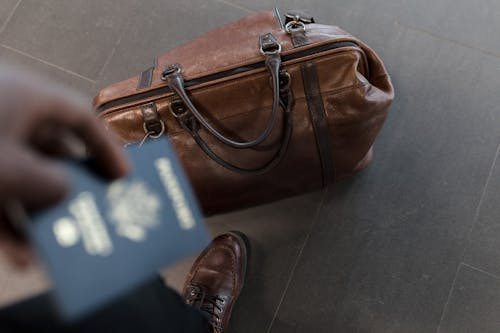
I want you to enjoy that wonderful experience of moving abroad.
I’ve permanently traded my home cities of San Diego and Austin for Thailand and Buenos Aires; from my many departures, I assure you, from experience, amazing things lie ahead.
In this article, I will share the essential things to do before your big move abroad, so you are prepared to settle in, experience, and enjoy your new home country with as few headaches as possible.


Contents: 25 Crucial Things to Do Before Moving to Another Country
- How to use this guide (timeline checklist + things to do organized by category)
- Departure Timeline
- The 25 Essential things to do before moving to another country, and why they matter
- First 72 hours after landing in your destination country (checklist)
- If you’ll apply for a long-term visa or residency, add these steps
- FAQs
- PDF Printable Checklist of Things to Do Before Moving Abroad
How to use this guide
The knowledge in this guide is divided into two sections:
- Departure timeline: A list of tasks you should get done and when to do them, from 120 days before departure to the day of your flight.
- 25 Things to do before moving abroad: All of the most important things from the timeline, described with just enough detail and critical tips to get you started.
Bookmark this post to come back to as you prepare to leave and check in routinely to make sure you’re completing tasks in line with the timeline. Check in weekly to ensure you’re completing the tasks at a good pace, and eat this elephant of an adventure one little bite (or task) at a time.
Quick checklist covered in this guide
- Sort your visa/residency plan.
- Gather/renew passport, ID, key documents for daily life and residency application.
- Open travel-friendly bank + credit cards
- Set up Wise/Revolut/PayPal + 2FA SIM
- Buy travel/health insurance
- Set up cloud backups + VPN
- Arrange storage, lease cancellation, and car storage
- Book flights + first 1–3 months housing
- Say your goodbyes properly
Departure Timeline: A checklist to follow before moving abroad
Below you will find a timeline of the essential tasks and events that need to take place before a smooth departure, and when you should start and complete them. The best way to use this timeline is to read over the timeline now and save the timeline for later. As you near that exciting day of departure, check this timeline each week to ensure 1) you’ve completed the necessary tasks considering how much time remains until your flight, and 2) you remain aware of the tasks you still need to complete.
120 Days to 90 Days Before Departure
- Review visa and residency options and criteria, application requirements, and guidelines
- Gather essential documents and identification for daily life and visa/residency applications
- Set up a virtual mailbox, mail forwarding, and a permanent address
- Get medical exams, vaccinations, and dental check-ups, as well as medicine prescription refills
- Set up international travel-friendly bank accounts, apply for travel credit cards for travel hacking, and open cross-border banking products with Revolut, Wise, and PayPal with ATM cards + activate and test all cards
60 Days Before Departure
- Start your chosen visa or residency application process
- Book the initial 1 to 3 months of housing via Airbnb or through a home found on Facebook marketplace or in housing groups for your destination city.
- Reserve a storage unit for household items staying behind, and storage of your car
- Give notice to the landlord of your intent to vacate or sublease your apartment or house
- If you will sublet or lease out your apartment or home, begin looking for a person to sublet your home or apartment to
- Set up a suitable smartphone for international travel, with apps, access, essential documents, and communication options
- Set up a digital cloud vault with digital copies of essential documents
- Set up a 2FA (Two Factor Authentication) SIM card number in your home country with all bank accounts and accounts
- Purchase the tech essentials and travel essentials that will make long-term travel easier
- Purchase either travel insurance or expat medical insurance
- Join Facebook and WhatsApp groups for expats and nomads in your target city
- Test pack your prospective luggage, and eliminate or add accordingly
14 Days Before Departure
- Print flight itineraries, boarding passes, and booking reservations, as well as emailing all documents to yourself
- Make high-quality color copies of the passport and driver’s license
7 Days Before Departure
- Freeze all subscriptions
- Say your last goodbyes
1 Day Before Departure
- Arrange packed items, ready to go for travel
- Email or WhatsApp yourself all tickets, itineraries, addresses, and visas for easy access during your trip
- Take 3 to 7 days’ worth of cash
Before the practical steps, if there’s any remaining doubt about whether the move makes sense for your specific situation — this is the piece that addresses that directly: Why Moving Abroad Is More Possible Than You Think →
The 25 Essential things to do before going abroad, and why they matter
Now that you can generally picture the timeline and major tasks that need to happen in the ~4 months before you travel, let’s review the 25 essential tasks you need to do before moving abroad.
The following items are organized by categories of tasks, aiming for just enough detail to get you started and ensure you don’t miss anything major.
- Start learning about your new home.
- Research Visa, Residency, and Citizenship options in your destination country
- Gather and renew essential documents – for daily life and for visa/residency applications.
- Start travel hacking: Set up credit cards and accounts for travel awards
- Personal Finance Prep: Understand the cost of living in your destination and plan your budget and spending
- Set up bank accounts and personal finance situation for a life abroad
- Arrange a permanent residential address
- Set up a virtual mailbox and mail forwarding
- Get the proper insurance for your travels (travel insurance, expat healthcare, device insurance, etc.) and understand your healthcare options abroad.
- Prepare your smartphone as a digital lifeline and digital vault
- Set up communications for international travel (e-SIM for international texts, whatsapp, email, etc.)
- Buy essential, travel-friendly tech for the road, and upgrade outdated tech.
- Set up digital backups and your personal digital infrastructure (cloud storage)
- Catch up on medical and dental needs and get pertinent vaccinations and refill medications.
- Test pack for your trip
- Reserve a storage unit and store your belongings (if you’ll move out of your current home)
- Break home or apartment leases, and consider subletting
- If you will apply for temporary residency, permanent residency, or citizenship, gather basic documents that would be required for residency but are difficult to get abroad
- Sell or properly store your vehicle
- Book your flights
- Book temporary accommodation for 1 to 3 months, and make a plan for finding permanent accommodation.
- Say your goodbyes and close off relationships properly
- Have one quiet night before departure
- Exhale one last time, board the plane, and enjoy the adventure
- Print this PDF Printable Checklist of Things to Do Before Moving Abroad
1. Start learning about your destination country, city, and neighborhood
Research and understand the destination, for you, to plan your life, and to transition in easily. Doing so will make the adventure more engaging and exciting, and learning from a distance will help stave off potential culture shock.
- Buy a fun, paper travel guide to learn about great places to spend your time, and a brief history.
- Learn key phrases and start studying the language’s basics.
- Begin researching potential cities and key neighborhoods in them – to familiarize yourself with the new city (and your new home)
- Lightly research the cost of living in your new location, including meals, coffee, drinks, apartments, and groceries, to plan your budget and living expenses (later in this process)
- Start learning the basics of your country’s language, as tackling the language barrier early will make the experience more enjoyable. Duolingo is a great tool for this.
- Research the laws that relate to you and that commonly trip up foreigners – best found on forums, Reddit, and Facebook.
- Research work permit options, laws, and restrictions on remote work (very important for digital nomads, remote workers, and job seekers)
- Join and browse expat and nomad forums and discussions on Facebook and Reddit to start, aiming for country and demographic-specific forums later.

2. Research the Visa, Residency, and Citizenship Options in your new country
Make an effort to understand the range of long-term visas and residencies commonly available to pick the best option for your length of stay and type, depending on your status (e.g., digital nomad, retiree, independent means, entrepreneur, family, etc.). Some of the common and valuable types of visas available are Digital Nomad visas (6 months to 1 year, non-renewable), Rentista, Pension, and Independent means visas (1 year, renewable).
Research visa requirements and choose your target visa or temporary residency permit based on what fits your goals and needs. If necessary, consider short-term and long-term options, using the short-term option (such as a tourist visa) to allow arrival and settling in, and apply for a long-term residency later.
Once you have decided on your target residency long term, make a plan for applying for the visas or residency choice, noting that notarized, apostilled documentation and background checks will be the most stringent part. Also note the income requirement, bank account balance requirement, and financial proof document requirements.
Example visas (for the top 10 countries now)
- Portugal: D7 “Passive Income / Retirement” Visa + Residence Permit, (1 year, renewable); D8 “Digital Nomad / Remote Work” Visa (1 year, renewable)
- Spain: Digital Nomad Visa (1 year, renewable), Teleworking Visa (3 years), Non-Lucrative Residence Visa (1 year, renewable)
- Italy: Italy Digital Nomad / Remote Worker Visa / National D Visa (1 year, renewable); Elective Residence Visa (for financially self-sufficient, no work, 1 year, renewable)
- Mexico: Temporary Resident Visa (“Residente Temporal”) (up to 4 years)
- Panama: Pensionado (Retiree) Visa (2 years); Friendly Nations Visa (2 years); Qualified Investor / Other Investor Visas (2 years)
- Colombia: Digital Nomad Visa (V-type Remote Worker / Digital Nomad) (2 years); Migrant Visas (M-type – retirement, marriage, investment, etc.) (1 to 3 years)
- Bali (Indonesia): Digital Nomad KITAS (1 year); Second Home Visa (Second Home ITAS) (5 to 10 years)
- Thailand: Retirement Visa – Non-Immigrant O-A (1 year), Destination Thailand Visa (5 years)
- Vietnam: Temporary Residence Card (TRC) – usually based on work, investment, study, or family (2 to 3 years)
3. Gather and renew essential documents.
For your life abroad, it is a good idea to not only gather the documents essential to daily life and travel, such as a driver’s license and passport, but also gather the documents required for your chosen visa or residency, which changes by country and visa.
- Renew passport
- Renew driver’s license
- Get an International Driving Permit
- Consider getting a backup ID, like a Passport Card or a State ID card
If you want the same ground covered in a clean task-list format — organized by how far out each item should be completed before departure: The Full Moving Abroad Checklist →
Daily Life and Travel Documents
Passport
Ensure your passport has plenty of available pages, is valid for long enough to not create any problems during your stay, and is in good condition (as it can be rejected if it looks like a dog’s chew toy). While Americans and Europeans can generally have their passports replaced easily, Americans will need to stay in that same foreign country, and at the same address, for roughly two months to receive a new passport abroad. To avoid this headache, try to have at least one year of validity on the passport (you won’t be allowed in with less than six months) and at least three valid pages.
Driver’s License and International Driving Permit (IDP) + Motorbike Endorsement
If you do wish to drive a car or motorbike anywhere in the world, you will need your home country driver’s license and an International Driving Permit. The International Driving Permit is a standard and official translation of your driver’s license and thus authorizes you to drive in most countries. In parts of the world where traffic is more lawless and wild (i.e., Vietnam, Bali, and Thailand), you can risk riding a motorbike without a license, but if caught by the police, you’ll be fined anywhere from $25 to $100 each time. It’s cheaper and safer to pay the $20 for an IDP.
Also note that for some travel insurances, you will not be covered while riding a motorbike if you are not 1) wearing a helmet, 2) have a driver’s license with a motorbike endorsement, and 3) have an International Driving Permit.
This leads to an additional recommendation to take a motorcycle safety course if you will travel in Asia.
Consider getting a passport card or additional state ID.
While a passport is essential to travel, having an alternate form of internationally respected identification is very worthwhile. When traveling, I tend to leave my passport at home because it is so valuable, but I still find having identification at all times is useful in the event of a medical emergency, being unconscious, or if I lose my passport. As such, I highly recommend getting a US Passport Card or similar, and making that the identification that you carry daily, instead of your passport.
Documents for Visa and Residency Applications
If you plan to apply for a significant residency, such as a 1-year rentista visa, pensioner visa, independence means visa, or entrepreneur visa, the country you are visiting will want documentation proving your criminal history and proof of funds. Additionally, if you have a spouse, dependents, or qualifying family members with you will be applying with, you will need to provide proof of the relationship. Lastly, each of these documents will need to be “legalized” or “apostilled” by your home country’s government attesting to the validity of the document so that it is accepted by the immigration department of your new country.
While the documents required for visa and residency applications vary by country, and you should find the exact documents required in your research, plan now on locating and apostilling the following documents.
Criminal History Documents
Proof of Financial Means or Employment
- Offer letter or a letter from the employer proving employment and salary
- Notarized bank account statements proving bank account balance (generally over the last 6 to 12 months) and proving receipt of salary
- For freelancers and business owners: company registration documents, business account statements, and freelancers may need to show contracts for labor
Proof of marriage for couples applying on one application
- Marriage certificate, notarized and apostilled
Dependents and children
- Apostilled birth certificate, notarized (if necessary) – this is a good idea to bring for all children under 18, as anti-human trafficking laws in some countries require it.
4. Start travel hacking, and set up credit cards and accounts for travel awards.
Open a credit card that offers a sign-on bonus and strong reward points toward travel.
Award miles or credit card award points are an excellent way to pay for upcoming flights and will offer plenty of perks for the months to come. Opening a solidly proven travel awards credit card, such as Chase Sapphire, Citi Advantage, or Chase United Mileageplus, doesn’t just deliver an initial awards bonus of ~50,000 to ~100,000 miles that will pay for a trip to anywhere in the world, but they also offers airport lounge passes for those 24+ hour flights, free checked bags on some flights, and opportunities for upgrades.
Beyond the initial perks, a good travel credit card also allows you to spend without foreign transaction fees and with a competitive exchange rate.
From my experience abroad, I’ve lived and traveled outside of the US since 2017, between Europe, the Middle East, Asia, and South America, and I have not paid for a single international flight, thanks to choosing a good travel rewards credit card up front.
To start…
I recommend one of the following credit cards:
- Chase Sapphire
- Chase United MileagePlus
- Citi Aadvantage
There are dozens of options, but these are reliable places to start.
Next, spend all of your “pre-leaving” expenses on these cards to hit the minimum spend for the bonus.
More on the why behind travel credit cards later.
5. Personal Finance Preparation: Assess your budget, spending, and cost of living, where you’re going to gain awareness of your financial situation
For this stage, take a deep look at your financial situation (bank account balance, debt, spending) and the cost of living in your new country to get a realistic picture of how long you can live there and the viability of your plan from a financial standpoint.
- Assess your bank accounts: How much cash do you have available across your accounts?
- Assess your monthly budget: How much do you spend each month?
- Assess your outstanding debt: Unpaid credit cards and student loan payments are expenses that won’t go away when you travel.
- Find out the cost of living in your new country: Use these costs of living by countries around the world, or cost of living data from Numbeo or expatistan, to guess what your monthly cost of living will likely be in your new country.
- Ensure you have at least 6 months of emergency savings based on your monthly spending and the information on the monthly cost of living.
- Ensure you have an additional 6 to 12 months of savings as “runway” for your time abroad, even if you are employed, self-employed, or freelancing, as accidents and the unexpected can and do happen.
Given the insights above, on what your likely cost of living will be and your savings, ask yourself if you are financially ready for this move. Additionally, ask yourself if it would be worth it to be a little more ready financially for the things to come. Perhaps delaying until debt is paid off, or taking a second job to bolster income and save more? If so, plan your timeline (or extra time to earn and save) accordingly.
Continue researching the cost of living in your new home.
While the quick process above, and the links at A Brother Abroad, numbeo, and expatistan offer good guesses at the cost of living by country, actual costs will vary wildly by city and who is spending. Additionally, this spending data is for settled expats, and costs for new expats and nomads, or travelers on the move, can easily be 30% to 100% higher.
To properly prepare for your new life, and plan the budget and spending aspect, research in recent forums on Reddit, Facebook, and other forums for the recent costs of living per month and daily in your city and neighborhood of choice. Focus on the monthly rent for an apartment similar to what you’ll rent, the cost of a coffee at a café, and the cost of breakfast and dinner out, and you’ll have a great idea of what expenses will be like.
6. Set up your bank accounts and personal finance situation for a life abroad
Not all banks are created equal, and while your local credit union may be friendly and perfect for your car loan in Kansas, it might not be great for getting cash in Tokyo.
To ensure that you have constant access to your money while living abroad and that your bank account isn’t killed by foreign transaction fees, currency fees, ATM fees, and every other fee you can imagine, you should open bank accounts, credit cards, and “banking products” that are friendly to international travel.
Bank Accounts: Chase, Schwab
Any bank account that has reliable customer service available 24/7 will quickly and easily replace a lost or compromised debit card (even if it means sending a new card overnight to Hanoi for free), and refunds for ATM fees are a reliable bank. Additionally, bank transfers, wire transfers, and adjusting withdrawal balances should be able to be done quickly and easily from an app.
While there are many contenders, the only two I recommend as must-haves for checking accounts are Charles Schwab and Chase checking.
Charles Schwab’s checking account offers no-fee checking and refunds all ATM fees and works at virtually every ATM. For these reasons, Schwab Checking is essential.
Second, Chase Checking. Chase’s worldwide network of banks and ATMs is a plus, along with the fact that their customer service is great, fraud prevention processes are great, and, simply put, the accounts and debit cards suit travel well.
Be sure to maintain at least 2 checking accounts.
If you live abroad long enough, your card will get cloned. While I love Chase and Schwab, even in the best of cases, this means a couple of days will pass, at least, before you get a new card. Because of this, always maintain two accounts and ATM cards – one as the primary and one as the backup.
Set up 2 Travel-Friendly Credit Cards
We covered this in the prep for travel hacking section above, but it is essential to maintain two travel-friendly credit cards. In addition to the award bonus, these cards offer baggage protection and trip protection during your flights, extended device protection on services, free baggage on flights, and free lounge passes for that one big flight a year. Last, when your cards get stolen, the award travel credit card providers have always been the quickest to get a replacement card to me.
The awards travel credit cards I recommend are: Chase Sapphire, Chase United MileagePlus, and Citi Aadvantage.
Set up the essential cross-border “financial products”: Wise, Revolut, PayPal, with ATM cards.
The financial industry offers an interesting set of “financial products” that aren’t quite bank accounts (they are not FDIC insured or certified banks) but are perfect for transferring currency across borders.
When it comes time to pay a larger amount for rent, or to transfer a large sum to an exchange house, or get a good conversion rate on local currency (better than the ATMs), you’ll be happy to have these options available. Wise, Revolut, and PayPal. The problem is, for them to work properly, you need to set up the accounts and order the debit cards while in your home country and register them with what will be your permanent address while abroad.
While abroad, Wise will be your easiest option for sending and receiving large amounts of money, with a great exchange rate and much cheaper fees than a wire transfer.
Revolut will be a great backup banking and credit card, to pay as a credit card with minimal fees, and transfer money to friends.
Paypal is simply just a good apocalypse backup, and is a great way for freelancers and solopreneurs to receive payment as they build hustles – so it is a good option to keep in the back pocket.
Set up 2FA (two-factor authentication) with your home country SIM card that will receive texts abroad, and your virtual address mailbox for all of your accounts.
Later, we will discuss setting up a permanent residential address, setting up a SIM card that receives texts overseas, and setting up a virtual mailbox.
As soon as you set up your (potentially new) bank accounts, credit cards, and banking products, additionally set up your new SIM card for “2FA” to receive validation texts for these accounts, and change the addresses for these accounts to your permanent address and mailing address.
A side note: Long stays in a new country will require a local bank account
While this banking setup is nearly bulletproof, the longer you stay in a country, the more necessary it will be to set up a local bank account – and this likely will not be possible until you attain residency. To preempt this headache, consider opening an additional bank account with a bank that you know does business in your new country’s region. For instance, for Latin America, consider Santander or Galicia, and for Asia, consider Chase or HSBC.
7. Arrange a permanent residential address.
Though giving up your home address is part of the dream within this experience, it does result in some headaches. Thanks to recent financial crimes and banking laws, all bank accounts must be tied to a residential address in the country of the bank account. For the nomad, traveler, or wandering expat, this creates a problem in that the moment their old address is no longer verifiable as theirs, the bank may close out the account suddenly.
To avoid this, the best approach is to ask a family member or close and reliable friend (that you have a long history with) to use their address, and inform them that they will not receive any mail. This residential address can be separate from the mailing address and thus is effective for paperwork.
From this point on, list the residential address (with their permission) as your permanent address and use your virtual address (that you will set up) as your mailing address.
8. Set up a virtual mailbox and mail forwarding.
While it is possible to have a friend or family member receive your mail, with new adaptations to nomads, this is a much worse option than setting up a “virtual mailbox.”
Virtual mailboxes are a service provided by thousands of mailbox offices across the US. Essentially, these services give you an actual address and unit number, which becomes your “mailing address.” These packages range from $10 to $25 per month and, in addition to receiving mail, offer the service of opening, scanning, and forwarding mail.
For you, living abroad, this means you can seamlessly receive documents and letters (at your virtual mailbox), which you then view online as PDFs. You can then have them forwarded, if they are items like credit cards, or shredded if they are items you don’t need.
Virtual mailboxes are one of the most essential and useful services available for modern nomads.
There are countless good virtual mailbox services, and while I can’t say which is best, I have heard good things about the following providers
9. Get the proper insurance for your travels (travel insurance, expat healthcare, etc.) and understand the insurance included on your credit cards.
Accidents happen while abroad. Whether the accident is a bag lost by the airline, a dropped cell phone, or a crash on a motorbike, having the right insurance for travel will save you headaches, save your health, and potentially save your life.
- Decide between “travel insurance” and “international health insurance”
- Decide on device insurance
- Consider “medical tourism” for routine care, in conjunction with travel insurance.
No matter what insurance you get, ensure emergency coverage and evacuation coverage at a minimum.
For those traveling and wandering abroad, some sort of emergency medical coverage is essential. Be sure that this “emergency medical coverage” covers you in unexpected incidents, like bodily injury from a motorbike crash or while hiking. Additionally, ensure the coverage offers “evacuation,” paying for an appropriate flight to a different country if the injury can’t be treated where you’re at or if there is risk due to political unrest, civil unrest, or riots.
Decide between “travel insurance” and “international health insurance” abroad.
When deciding whether you need “travel insurance” or “international health insurance,” it is important to understand the difference between the two options.
Travel insurance, such as Safetywing or World Nomads, generally only covers emergency, unexpected, non-preexisting issues. The coverage does not provide routine care, such as check-ups, dental, and treatment of preexisting conditions. Note that this coverage is cheaper because it is the bare minimum and is generally only suitable for up to a year of travel, before routine medical checkups and treatment are required. Travel insurance is more of an “emergency and adventure” insurance.
International Health Insurance is generally a full healthcare plans that offer full coverage, and routine and emergency treatment anywhere in the world (or in the countries listed and covered). If you will live in a single country, you will likely want this full coverage health insurance, simply suited to life abroad.
In either case, whether you purchase travel insurance or international health insurance, make sure you don’t travel without some form of emergency coverage.
Understand the insurance included in credit cards: Baggage protection, insurance for delays.
If you opted for one of the travel cards I recommended above, be sure to read the fine print. My favorite cards offer insurance on certain trips with ticket purchases with the card and offer coverage for lost baggage, delayed baggage, and delayed flights, which I have used many times. Additionally, there may be coverage for items purchased with the card that covers theft, damage, and malfunction as an extended warranty, plus device protection.
10. Prepare your smartphone as a digital lifeline.
Smartphones have become a staple in daily life, whether for work, communication, or simply entertainment, and with good reason. Planned correctly, this will become even more true abroad, as your smartphone becomes a portable vault for digital documents, your passport to banking, and your means of communicating with everyone back home and on the road.
- Consider upgrading your smartphone: Is it outdated? Is storage sufficient? Does it connect to global networks? Is the camera sufficient?
- Download and set up the essential apps for communication, banking, accommodation booking, etc.
- Save all essential documents onto the phone (in addition to the cloud drive)
- Set up your home country SIM with international text and data (such as the Google Fi phone plan) and e-SIM.
- Ensure e-SIM functionality for international e-SIMS
- Buy a high-quality, travel-friendly case and screen protector
Consider upgrading your smartphone.
While abroad, your smartphone will become an indispensable lifeline equipped with everything you need. As such, assess whether your phone is outdated enough to need an upgrade.
Is your phone so outdated to the point that it is slow and unreliable?
Is storage sufficient, or are you running low even without the thousands of pictures to come? Can your phone connect to global networks in Asia, South America, and Europe? Is the camera sufficient to capture the journeys to come?
If these questions leave you second-guessing, don’t feel bad about considering a phone upgrade. It will be an investment in capturing memories and reducing headaches on the travels to come.
To save on an upgrade, consider buying a refurbished Samsung Galaxy through Amazon.com (with your travel credit card that also provides device protection) or buying through Google Fi’s often runs deals on Google Pixels and Samsung Galaxy phones. In the past, I’ve last-minute purchased refurbished Samsung Galaxy phones for $250 on Amazon, and recently purchased the newest S25 Galaxy Ultra for $600 from Google Fi. As a result, I have a combination of a phone, a great camera, an e-reader, and a tiny computer for writing.
Download and set up the essential apps for communication, banking, accommodation booking, etc.
Once you’ve decided to keep your smartphone (or purchase a new one), it’s time to set up the apps that will keep you connected and productive. Installing and activating the apps (signing in) ensures that when things don’t go as planned, you will be
The essential apps you’ll need are:
- Gmail
- Google Drive
- Youtube
- Authenticator (Ensure to activate and connect all of your “finnicky” apps to this)
- Facebook Messenger
- Facebook (for browsing the marketplace for an apartment, and asking questions in expat groups)
- Financial Apps: Wise, PayPal, Revolut
- Accommodation and travel apps: Airbnb, Booking.com, Momondo, your choice of airlines
- Your banking app
- International e-SIM marketplace app (e.g., Airalo)
- Authenticator app: Used for 2FA when text via SIM card isn’t available (setup for all of your essential apps)
Buy a high-quality, travel-friendly case with a camera lens cover
A good smartphone case, designed to withstand drops and protect your camera, is a much better investment than device insurance. Buy a solid one on Amazon before leaving, aiming for one that will withstand drops, has a slide to protect the camera, and maybe even has a kickstand.
11. Set up communications for international travel (e-SIM for international texts)
Once you’ve loaded all of the apps listed above, ensure your phone is set up for communication in 3 ways:
- Can receive texts to your US number while abroad (I recommend and use Google-Fi)
- It is set up to quickly buy, activate, and use data from a local e-SIM ( I recommend and use Airalo)
- Ensure you have WhatsApp set up – as most of the world uses it, and it works with data or internet (no cell phone package required)
A Home Country SIM card for International Texts: Google Fi
While abroad, you may need to receive verification texts to regain access or verify information (dubbed “2FA”) for bank accounts, Airbnb, PayPal, and more, and not getting those texts will ruin your life. Fortunately, after a year of testing, I stumbled upon Google Fi.
Google Fi is the perfect solution.
With Google Fi’s basic plan, you can skip the data package and pay $20 a month to maintain your number and receive unlimited texts from the US. I highly recommend setting up a Google Fi account and setting up the phone number you receive for “two-factor authentication” on all devices.
e-SIMS: The perfect option for data abroad
While data plans in the US cost upwards of $100 per month for 10GB, the same in Asia and South America cost ~$15, and are accessible via e-SIMs. Thanks to e-SIM marketplace apps, such as Airalo, you can download the app, purchase an e-SIM, install it, and have data when you touch down in your new country.
Setup Whatsapp
In nearly every country I’ve been to, WhatsApp is the primary means of messaging and calling. Additionally, thousands (if not millions) of WhatsApp groups exist for expats in destinations around the world, and deliver real-time answers quicker than you’ll find on Facebook, on Reddit, or in blogs.
12. Buy essential, travel-friendly tech for the road, and upgrade outdated tech.
Though I enjoy traveling as a minimalist, some items are absolutely worth taking with you. If you are traveling to Southeast Asia, South America, or remote places, it’s worthwhile to buy beforehand, as some items won’t be available, will be more expensive, or will be of lower quality in your destination.
These are tech items that may or may not be essential (based on you). I recommend checking out what you have, and if you are due for an upgrade, upgrade in the US or in Europe, where Amazon and black Friday sales make flagship models dirt cheap.
- Laptop or tablet: Especially consider upgrading if your laptop is on its last leg or you intend to upgrade to a flagship model within the year.
- Smartphone: If you want an iPhone or flagship Galaxy model, upgrade before leaving
- E-Reader: English-language books are either expensive or hard to come by in South America and Southeast Asia. If you are an avid reader, invest in a good e-reader for easy access to the latest books. Note-taking ability is a great plus for journaling on the road.
- Noise Canceling + Bluetooth Ear Buds and Headphones: While headphones are available everywhere, good noise-canceling headphones are generally cheaper in the US and Europe. I always stock up on Tozo** noise-cancelling earbuds ($20 for great quality) and Tozo** noise-cancelling headphones.
- Tiny 2TB SSD hard drive (with USB-C): For backing up important documents and offloading pictures. I recommend the Western Digital 2TB My Passport SSD Portable External Solid State Drive that I’ve been using for a couple of years.
- Kindle Firestick**: A Kindle Firestick is the easiest way to take a piece of “pre-programmed home” with you. Just plug it in, anywhere in the world, and you can continue a recharging binge without fuss. Be sure to pre-load with Netflix, YouTube, Spotify, and BeeTV.
13. Set up digital backups and your personal digital infrastructure (cloud storage)
- Set up cloud storage (Google Drive, iCloud, OneDrive, Dropbox, etc.)
- Scan and upload all of your important documents to the cloud drive
- Additionally, save the documents to your hard drive
- Set up a Virtual Private Network (VPN) for secure access to the internet and your data around the world
- Set up a reliable, synced digital note-taking app, such as Evernote, OneNote, or Obisidian
Set up a cloud storage drive
While you are abroad, and your precious documents are in storage, you will still likely need to access these documents and save more important documents. Because of this, it will be priceless to set up a “digital vault” now, with plans for the long term.
To do this, simply choose your cloud storage drive of choice – I choose Google Drive – then sit down, scan, and upload all of your important documents to the drive.
Scan and upload all of your essential documents to your cloud drive
You can easily scan documents with the “scan” feature on the camera app of Android smartphones, then upload directly from your phone. Essential documents such as passports, driver’s licenses, birth certificates, transcripts, marriage certificates, LLC incorporation documents, and anything else of meaning can and should be stored here.
Additionally, save the items to the physical hard drive you’ll take with you.
Get an SSD portable hard drive (2TB minimum) to back up your essential documents before leaving, and offload pictures, documents, and cherished “digital memories” along the way.
If you lose access to your cloud drive, the time physical hard drive will be there to save the day.
Set up a VPN on your smartphones, tablets, and laptops
A “Virtual Private Network” or VPN is essential for global travel when browsing the internet and accessing sensitive accounts, such as banking accounts, because it keeps hackers out. I never access my bank account information or banking apps without a VPN on, and you shouldn’t either
Set up a digital notes app across devices (OneNote, Evernote, or Obsidian)
Setting up a digital notes app that lives on all of your devices (laptop, tablet, and smartphone) allows you to save important information or simply take notes across devices. This could be itinerary information copied and pasted into an email, work notes, or just ongoing lists of cafes and restaurants that you note from your laptop and read on your smartphone while wandering between eateries.
14. Catch up on medical and dental needs and get pertinent vaccinations
The last thing you want to do is arrive in a completely new country and then have to navigate finding a good doctor, pharmacist, or dentist and have treatment done. To avoid this situation, handle all routine (or non-routine) medical and dental needs before leaving.
Get Prescriptions Refilled
Additionally, get prescription refills for 3 months, but be sure to keep the doctor/pharmacist’s prescription and contact information, and beware that many countries have restrictions on what you can bring and how much (1 to 3 months’ worth). Before travel, confirm the medications are legal in your next country, as some prescriptions legal in the US, Canada, and Europe are illegal in other regions. During your travel, keep the prescription ready for immigration and customs in your new country when arriving.
Get country and region-specific vaccinations.
During your trip to the doctor, ask about vaccinations appropriate to your region. Discuss with your doctor the recommended vaccinations for your region of travel, with emphasis on rabies, dengue, hepatitis, typhoid, and TB.
Places such as Southeast Asia and Africa have unique risks, such as rabies, tetanus, typhoid, hepatitis, etc., and you will want to get the appropriate vaccines in your home country. The CDC’s travel health resource page is a great resource for vaccination and health planning by destination.
Consider stocking up on “non-prescription” medications and supplements
Common over-the-counter medications such as Benadryl, Claritin, and Ibuprofen, as well as some vitamin supplements, are either difficult to purchase or overpriced. As a solution, consider visiting Costco to purchase store-brand versions of these medications in bulk for your journey
15. Test pack for your trip
Now that you have everything you need (and probably extra) and understand your destination, it’s time to test pack for your trip. Remember that it’s more enjoyable to travel lighter, and you will be able to re-purchase most things there. While in the US and Europe, Amazon.com reigns, Mercado Libre will keep you supplied in Latin America, and Shoppee will keep you stocked in Southeast Asia
Check your luggage allowance.
By now, you should have your eye on the flight you’ll take and the airline. Double-check the baggage allowance and ensure you are allowed your two checked bags, one carry on, and one personal item. Then, pack and test accordingly.
Consider these travel essentials.
While lighter bags are (almost) always better, consider these items for your carry on kit.
- Slim fanny pack
- Night mask and earplugs
- Portable charging pack
- Noise-cancelling ear buds
Avoid shipping items to your new location
While “can I ship items to my next country?” is an often asked question, and you can, I advise against it. Not only can you buy most things in the new country, but the process of shipping substantial items internationally is costly and a headache. Additionally, if you are not a resident of your new country yet, you will be subject to import restrictions and customs fees.
Although I first recommend researching whether it is possible to import duty-free based on your specific country, I also recommend waiting. Instead of shipping now, place the items in storage, then apply for residency and consult a lawyer about potential customs fees. You can then consider whether it is financially worth it to ship and pay the duty fees, or simply go on a (cheaper) shopping spree in your new country.
16. Set up a storage unit and store your belongings (if you’ll move out of your current home.
Now that you know what traveling is and what isn’t, reserve a storage unit for the items you’ll leave behind. Find a cost-efficient storage unit that is either accessible from your airport of choice or is located in or near the neighborhood you will choose to come back to. In both cases, ensure it is accessible to essential people in your support network, based on location, the contract with the storage unit, and coordinate keys and access.
17. Break home or apartment leases, or consider subletting
As you get close to the departure date, decide whether you will break the lease on your apartment or home, or whether you will lease it out or sublet it. Then, plan arrangements accordingly.
If your reasons for leaving are time sensitive, or geoarbitrage in the new location affords enough savings to warrant an earlier departure, consider breaking your lease. During one of my moves abroad, I potentially had to pay 2 months’ rent for breaking a lease on a remaining 7-month contract. However, the money saved on not living in Dallas, Texas over 7 months compared to the money saved by living in Thailand for that 7 period made breaking the lease, paying the penalty, and living in Thailand a much better option.
On the same note, when should you consider subletting instead of breaking a lease?
If you are in a high-demand area for apartments, and your rent is controlled, meaning the rental price is too good to lose, or you can leave your belongings and still break even, consider opting for this option. For tenants, opt for (reliable) friends and family, as there will be slight friction managing the process from abroad, and the nature of the friendship/relationship may offer the extra patience necessary to get through the process.
Then, submit notice to the management office.
In either case, submit notice to the management office well in advance of your potential departure.
18. If you will apply for temporary residency, permanent residency, or citizenship, gather basic documents that would be required for residency, but are difficult to get abroad
With the privilege of a temporary residency in a new home comes the burden of a lot of paperwork. We reviewed the essential documents to keep, above, but the immigration office in your new country will need notarized, apostilled copies of your criminal background check, banking statements as proof of financial resources, potentially proof of employment and business activities supporting your application, and proof of relationships for the spouse and dependents applying on your application.
Be sure to review these requirements in depth, and consider speaking with a lawyer, but at a minimum, plan on and prepare these documents, notarized as necessary and definitely apostilled.
- Apostilled FBI background check
- Notarized/Apostilled Banking documents
19. Sell or Properly Store Your Vehicle
If you do plan to store your vehicle, ensure that you store the vehicle properly, with a full tank of fuel (to prevent rust in the tank), fuel stabilizer (to prevent destroying the fuel lines), insurance, and either an indoor storage or a sufficient all-weather car cover.
However, if you plan to leave for 18 months or longer, consider selling the vehicle, as damage from sitting to the fuel lines and seals becomes intense after 18 months without driving. This damage from sitting after the 18-month mark makes it better to sell.
20. Book your flights
Book the flights to your destination between 44 and 60 days out for the cheapest flight options (Source: Google Flights Data Analysis)
Use this process for finding the best flights to anywhere using Google Flights.
Consider travel hacking points for flights to not only save money, but also travel more comfortably, allow for free checked luggage, and allow the flexibility of free changes and cancellations. To optimize your award flight search, keep in mind that the cheapest flights in dollars are essentially the cheapest flights in award points
21. Book temporary accommodation, and make a plan for permanent accommodation
Book local housing for the first 1 to 3 months (to give runway for finding a local house)
The best options are
- AirBnB
- Facebook housing groups
- Facebook marketplace
Book at least a one-month stay in your destination country, opting for an accommodation option that is as low-stress stress possible. Optimally, book three months out on Airbnb, as 90 days out is the best, as the most economical options are often already booked less than 90 days before arrival.
Facebook groups are an option for long-term furnished apartments, but vary by region and generally require a visit and the normal “rental process.”
Personal experience – I’ve done 6-month bookings (3+3) on refundable Airbnb’s and the cost was similar to a furnished apartment + utilities + agent fees, but with the option to prebook and without the hassle of managing utilities hookups.
22. Say your goodbyes and close off relationships properly
Button up and say goodbye to former coworkers, leaving room for connection later. A lunch or a coffee and conversation is the best way to go out.
For good friends, say a proper, celebratory goodbye with a dinner party or night out, to punctuate the lead-up to your departure with a high note, and reinforce the friendships for the extended absence to come.
For closer friends that will be part of your support network while abroad, say goodbye in smaller groups or individually, with a personal touch and a more personalized event. These will be the ones that you want to message regularly and keep in touch with during your travels. Emphasize and follow through on the desire to stay connected throughout the journey, and consider extending a genuine invitation for them to join you for a period, for a vacation, and to see your new life. Planting these seeds of long-term connection and future travels will go far to keep them connected and potentially coax them to join your journey later on.
23. Have one quiet night before departure.
Set aside one (or a few) calm nights of no planning, no packing, and no partying, to just have a glass of wine and watch some Netflix or quietly and comfortably relax with loved ones. If your tasks are done enough to enjoy this, and you do get this moment to calm down, you’ll enjoy more of the adventure to come.
24. Exhale one last sigh of relief, board the plane, and enjoy the adventure
Take that last Uber to the airport.
Maybe treat yourself to that rebellious airport beer.
Settle into your seat and relax as the plane slowly rises off the tarmac, and you begin a new adventure.
The First 72 Hours after Landing
The early hours after arrival can be as exhilarating as they can be chaotic and hectic. To keep the plan on the rails, follow this checklist on arrival:
- On landing – Check that you have the essentials: Passport, debit cards, credit cards, cash, 2FA SIM card
- Connectivity: Activate local eSIM/SIM; confirm 2FA works; get an actual local SIM
- Money: Test ATM; withdraw a small amount of cash; note fee-free ATMs
- Safety: Find safe emergency numbers; pin nearest ER/clinic; update your “emergency card”
- Admin: Locate embassy information; for Americans, register with embassy STEP (if U.S.)
- Everyday life: Find one reliable café, one breakfast place, one dinner place, a close mini mart, and a grocery store; Later, find one gym, one coworking space, and two more cafes
- Community: Check local conversation groups (WhatsApp, FB groups, Reddit); Look for meetup opportunities on Meetup, Nomeo, and Facebook
- If seeking residency: book translator/notary slots; start local police check process
FAQs
How will you access cash in your new home? Do you need to bring cash to exchange currency?
ATMs are the easiest and cheapest way to access local currency, as the exchange rates at ATMs will be better than what you will get at any exchange stand. Also, if you are able to get a checking account and debit card that offers no ATM fees, then ATMs are absolutely the best way to access cash.
While you should have cash on you for three to seven days minimum, for emergencies, ATMs are available in most places in the world and will be your primary means of accessing cash. Because of this, be sure to keep a working ATM card and a backup.
Can you open a local bank account?
In most countries, you will not be able to open a bank account with a “local bank” unless you have residency and a local tax ID.
Until you receive residency sufficient for a bank account, using WISE to transfer money to locals for expenses (paying rent, paying for trips, adding credit on local apps) will be your best option.
Should you ship your belongings from your home country
Whether or not it makes sense to ship household goods from your home country to a foreign country is heavily dependent on your situation. If you are being hired by a multinational firm and will likely be in that country for years, and they are paying for and arranging shipment of your goods, it may be a good option.
However, for most people moving to a new country, it does not make sense to ship household goods (furniture, wardrobes of clothes, a car) on the initial move. First, if you are not entering on the appropriate residency and entering as a tourist, your goods will likely be subject to taxes and customs fees. Second, anything you need, in most cases, could be purchased in your destination country for cheaper than the cost of shipping.
You can always place your treasured items in storage and arrange shipping later.
Ultimately, the best approach to decide if shipping items is good for you is to calculate the cost of shipping and paying customs fees and compare it to the cost of buying again in your destination country, and decide accordingly.
Generally, if leaving for a year or less, store. If living abroad for more than a year, consider selling and repurchasing in a new country (accounting for taxes and what they do well). If you gain residency, then look into the possibility of shipping.
Download the PDF Quick Checklist for Moving Abroad, and Bookmark this post
[PDF Printable Checklist of Things to Do Before Moving Abroad]
Or click here to view the quick checklist for moving abroad: A clean list of “to do” tasks to check off as you prepare to leave.

.

.
ABOUT THE AUTHOR
Carlos Grider launched A Brother Abroad in 2017 after a “one-year abroad” experiment turned into a long-term life strategy. After 65+ countries and a decade abroad, he now writes about FIRE, personal finance, geo-arbitrage, and the real-world logistics of living abroad—visas, costs, and tradeoffs—so readers can make smarter global moves with fewer surprises. Carlos is a former Big 4 management consultant and DoD cultural advisor with an MBA (UT Austin) and Boston University’s Certificate in Financial Planning. He’s the author of Digital Nomad Nation: Rise of the Borderless Generation and is currently writing The Sovereign Expat.