
CHAPTER 14
Digital Nomad Nation: Rise of a Borderless Generation
What Comes Next?
.
“A new world is not only possible, she is on her way. On a quiet day, I can hear her breathing.”
— Arundhati Roy
“We are called not to be victims of the future, but its architects.”
— DNN
.
The best is yet to come…
At the time of writing, the average age of countries around the world was just over 170 years old. Comparatively, the idea of the Digital Nomad Nation is under 30 years old, and the Digital Nomad Nation is less than 15 years old since reaching the population, economic value, and gravity of a nation-state.
The Digital Nomad Nation is still in its infancy and is as impactful as we have observed, which implies a powerful foreshadowing.
The best is yet to come.
The future of the Digital Nomad Nation holds immense potential for growth in the community’s footprint, nation-state partnerships, refinement of the tools that empower the wandering nomads (e.g., visas, banking tools, and work automating tools), and a more inclusive community as nomads of the new BRICS countries wander more beyond their borders.
Additionally, the continued cultural ratchet of technology will offer and spur new and improved tools (e.g., AI, blockchain) that will not only disrupt society and offer themselves as “force multipliers” but will also invite digital nomads to lead innovation adoption in seemingly remote and disconnected corners of the globe.
A nation of accidental trailblazers and global connectors in the digital age.
As the Digital Nomad Nation, like its citizens, continues to grow and come of age, it will continue to do the diplomatic dance with other nations and technological advancements while empowering nomads to circumvent the hurdles created by global politics. Ultimately, evolution will lead the nomad nation to contribute as it creates, tests, and propagates new ideas and approaches to being a nation-state in the digital age.
The major areas of interest as the nomad nation continues to grow, evolve, and contribute will be as follows:
- Governments will continue to refine digital nomad visas and immigration policies, ultimately clarifying tax obligations and work status laws, potentially creating more alternative and unbranded “independent means residency permits” that cater to the emerging “flexpat” demographic.
- Opportunities for skill sharing will develop as countries clarify and loosen visa and work restrictions for remote work and volunteering.
- Expanding connectivity and the availability of the internet everywhere (e.g., mobile phone networks, satellite internet) will extend the reach of the digital nomad nation, bringing in overlooked voices and opening new locations as options for nomad hubs amidst over-tourism and negative gentrification impacts.
- Increased regional nomading as more nomads from countries with weaker passports or weaker currencies opt for regional nomadism as a starting point in their digital nomad journeys.
- The changing global political landscape will increase the number of nomads from Africa, China, India, South America, and countries bordering the Caucus Mountains nomading regionally and internationally, followed by the inclusion of the region in the “global digital nomad circuit.”
- AI and tech automation will continue to empower nomads beyond just “the evolving virtual assistant.”
- The nomad nation will experiment with blockchain as a public and open record, enabling projects of the decentralized nation in the future and cryptocurrency and commercial banking alternatives, easing more open financial transactions across borders.
- The decentralized nomad nation will continue to reimagine statehood and citizenship in the digital age in the face of increased globalization, border-free information channels (internet, dark web, blockchain), and borderless commerce, ultimately embracing innovation over bureaucracy.
1. Governments will continue to refine digital nomad visas and immigration policies, ultimately clarifying tax obligations and work status, potentially creating alternate “independent means residency permits” that cater to the emerging “flexpat” demographic.
As the population and economic power of the Digital Nomad Nation continue to grow, governments will continue to attract and capture this economic opportunity with nomad visas. However, the overlapping needs of seasoned digital nomads and the emerging flexpat demographic will drive the creation and adaptation of more long-term temporary residencies and permanent residencies, as well as evolving yet realistic paths to citizenship.
The new and evolving residency options, targeting long-staying nomads and flexpats, will likely not be branded as the digital nomad visas were but instead will remain generalized, still targeting and serving the needs of long-staying nomads and flexpats, but generalized to avoid the issue of trendy policy and enable immigration policy options with longevity.
Examples of the newer wave of residency permits enabling “flexpatism” are the popular D7 residency visa in Portugal and the Spanish Non-Lucrative visa, which both allow for multiple years of stay. The Portugal D7 visa even has a path to citizenship.
Beyond the major immigration policy overhauls of adding residency permits, governments will continue to refine immigration policy related to legally allowing remote work and longer stays on tourist visas, in line with the travel patterns and lifestyle needs of digital nomads.
As the phase of “digital nomad immigration policy trial and error” comes to a close, wherein governments invited all digital nomads, not realizing the governments’ ambitions only suited a subset of nomads, immigration policymakers are still interested in the opportunities digital nomads bring will refine and tune their visa offerings to create mutually beneficial visa guidelines for their country and specific demographics within the Digital Nomad Nation.
2. Opportunities for skill sharing in remote and overlooked locations will grow into true professional development opportunities as countries clarify visa and work restrictions.
While immigration policy becomes clearer as it relates to remote workers and digital nomads, eliminating the grey area and red tape that exists at the moment on volunteering and volunteer work experiences, grassroots projects around skill sharing will continue to emerge. This future trend, skill sharing and teaching much-needed online business and work skills, will grow and continue as the reach of the internet expands. The more remote corners of the world, and the residents that call them home, will increasingly brush shoulders with the Digital Nomad Nation and hopefully hear of the possibilities of a digital lifestyle.
Ultimately, as the immigration policy reins are, the remote but burgeoning nomad enclaves of the emerging nomad hubs will promote the sharing of valuable, marketable, and profitable skills with anyone open to learning them.
3. Increasing availability and quality of the internet will extend the reach of the digital nomad nation to remote locations, relieving over-tourism, expanding the breadth of nomads’ experiences, and inviting in previously overlooked voices
For the digital nomad as a small business operating largely thanks to the existence of the internet, the reach and quality of their internet connection will always be a limitation of how far they can adventure and who will be exposed to the digital nomad lifestyle.
As technological innovation continues, the continued proliferation of stable, high-quality internet connections will increase the reach and exposure of digital nomadism to previously overlooked regions and people of the world.
Next-generation cell communications and satellite internet will continue to proliferate in a way and at a price that allows stable internet connectivity in the remote regions of Asia, Africa, and beyond. In their wake, nomads will push beyond the now overcrowded and over-traveled population centers that were once staples in the digital nomad revolution and create new enclaves in regions “emerging” within the nomad community’s sphere of awareness.
While the island Siargao in the Pacific facing Philippine islands was once a wonderful, surfable island escape that was great only for a weekend due to its reputedly horrible internet connection and paled in comparison to nearby Bali and Koh Phangan, thanks to the introduction of widespread satellite internet available to consumers, it instantly became a long-term work and play option for many a nomad. The same possibility exists for remote sub-Saharan Africa with ample natural beauty and opportunity for one-of-a-kind adventure and countless potential destinations off the beaten path between work stints.
This dispersing of the nomad community and the mutual exposure between the nomad nation and communities in remote places will simultaneously add breadth to the experience and cultural exposure of the average nomad and will relieve the over-tourism, overcrowding, and potential negative effects of gentrification that are inevitable when too many nomads visit a single spot for too long.
Not only will the growing reach of the internet lead to enhanced travel experiences for nomads and relieve stress on popular nomad locations with strained infrastructure, but it will also include remote communities in the nomad nations’ other opportunities and endeavors.
4. Domestic and regional nomadism will increase as digital nomads in remote regions engage and inspire
As digital nomads spread farther around the world, the new exposure of populations in locales that previously saw few digital nomads will open the eyes and minds of new potential wanderers to the possibilities of digital nomadism. As digital nomads increase travelers through India, the Caucus region, Africa, and other places, the ideas and knowledge of the possibilities of digital nomadism will spread with the new interactions.
However, understandably, it takes cash and a passport to travel, and this may restrict the travel range of these new nomads from disadvantaged locations or disadvantaged demographics at first. A weaker currency and a weaker passport may restrict nomads from flying to and remote working in London, but it will not prevent nomads from wandering their home region or their home country, and that is where nomads will start. North Africa, Sub-Saharan Africa, South Asia, the Caucus region, Eastern Europe, China, and India are vast regions with an array of culture, beauty, and experiences worth nomading for and offering easy freedom of movement for most passports. Aspiring nomads in these regions can and will start tapping into the travel gems in their backyards as they piece together their plans to explore the world.
5. The changing global political landscape will increase the number of nomads from Africa, China, India, South America, and countries bordering the Caucus Mountains nomading regionally and internationally, followed by the inclusion of the region in the “global digital nomad circuit.”
As the new BRICS economies gain influence in the global markets, potentially supercharging their passports and currency, the residents of these regions that collectively represent over 1/3 of the world’s population will inevitably use their newfound influence and economic power to travel the world as digital nomads, too. If not to wander the world, then to use their alliance to allow nomads to wander their partner territories freely.
China and India alone have a combined population of 2.8 billion people, or 34% of the global population and 80 times the size of the Digital Nomad Nation. If even a fraction of these populations join the digital nomad lifestyle, entering the existing nomad enclaves and migration patterns, there could be significant impacts as the infrastructure and partners adapt. Time will tell how and how well nomads from the New BRICS integrate into and add value to the existing Digital Nomad Nation.
6. AI, tech automation, and tech advancement will continue to empower nomads in online businesses and self-employment beyond the simple yet evolving virtual assistant.
In the book The Four Hour Work Week, one of the most significant tactics shared was the use of remote assistants for research, task completion, and empowerment in focusing on the tasks that matter and outsourcing the tasks that do not. When reviewed in the present day, the most shocking aspect of what Tim Ferris described is that now – without a date of publishing for context – Tim Ferris appears to be discussing how digital nomads use Artificial Intelligence (AI) and AI-based tools in this day and age. Data entry and cleanup, performing research, and writing correspondents are all tasks that Ferris adamantly recommended outsourcing to humans in the Philippines. Now, digital nomads are commonly outsourcing those same tasks to AI-powered products.
The kicker – productive digital nomads will continue to do and improve as such, adopting technology to adapt to the labor market and optimize as solopreneurs, aiming for more productivity, profitability, and location independence, with as little wasted overhead cost and fuss as possible.
While the examination of the role AI will play in the lives of digital nomads is a hefty enough topic for an entirely different book, the takeaway remains that in the future, digital nomads will continue to be early adopters of software-based technological innovations that allow living, working, and connecting remotely across borders.
Digital nomads will lead the way in experimenting with and leveraging innovative technological solutions for better lives abroad and online businesses.
7. The nomad nation will experiment with blockchain as a public and open record, enabling projects of the decentralized nation in the future and cryptocurrency and commercial banking alternatives easing more open financial transactions across borders
The digital nomad nation will be one of the leading communities applying software tech innovations by using them to empower the functions of a digital nation-state and living abroad indefinitely. While, at the moment, cryptocurrency and blockchain are hotly debated in terms of their value and potential, the digital nomad nation has already begun heavily employing and adapting these tools.
Whether speaking of digital nomads in Buenos Aires using cryptocurrency to transfer “digital US dollars” into Argentina during its economic crisis and “Dolar Blue” heydays or Russian digital nomads using cryptocurrency and the dark web to access personal assets locked up in sanctions due to wars, digital nomads have already been using software innovations to make the impossible possible.
The Digital Nomad Nation has been a community that finds the simplest, smoothest path to a goal and leverages any and every innovation available to accomplish that task. Digital nomads will continue to lead the way in the adoption of and employment of innovations in the future.
8. The decentralized nomad nation will continue to reimagine statehood and citizenship in the digital age in the face of increased globalization, border-free information channels (internet, dark web, blockchain), and borderless commerce, ultimately embracing innovation over bureaucracy.
All of these prospects for the future add up to one simple fact: the Digital Nomad Nation will continue to redefine what it means to be a nation-state and a citizen of a nation-state in the digital age, continuing to be a lean, decentralized, and objective-oriented collective. The nomad nation will increasingly set the example for how it can better serve the needs and quality of life of its citizens.
If the early 20th century was defined by industrial empires, the 21st century may belong to digital nations without borders.
Chapter 14 Field Insights: What Comes Next?
① The Digital Nomad Nation Is Still in Its Infancy
While millions now live the life of digital nomadism, the movement is barely two decades old. Its systems are raw, its boundaries are blurred, and its foundations are emerging in real-time. This is not the end of the road—it’s the beginning.
② The Infrastructure Empowering a Nomad Nation Is Evolving Fast
From nomad visas to global migration patterns, from DAOs to digital embassies, the groundwork is already being laid for a Digital Nomad Nation, competing with nation-states in the digital age. What once seemed like scattered adventurers now resembles the early scaffolding of a new kind of society.
③ This Is Our Moment to Shape the Future
What happens next depends on what we build—and what we protect. Will we design ethical systems? Foster inclusion? Give back more than we take? The answers aren’t written yet. But the window to shape them is now.
Departure Point:
Pause and reflect: If the Digital Nomad Nation is in its founding moment… what role do you want to play?
Builder? Storyteller? Technologist? Connector? Host?
The future isn’t arriving—it’s being constructed.
And the people who choose to show up now will be the ones who decide what this becomes.
History is full of movements that started small. Maybe this is yours.
CHAPTER 15 PRELUDE
…forever connected, wherever life may lead…
.
The sun slowly sank into the silvery blue shimmer of the Indian Ocean, painting the sky with warm hues of orange and pink. As I sat on a quiet beach of Bali with a diverse cluster of digital nomads on our last night together – some had left corporate jobs chasing freedom, others pursued a path that allowed creative expression, others simply craved adventure – I just listened, intrigued. While my new friends shared their final stories and where their paths led next, I realized what united us wasn’t just where we were – it was the common thread that bound us. It was what we believed in: that life could be designed, that work didn’t mean sacrifice, and that borders were just lines on maps. Those beliefs guided us to this last beautiful sunset together before it pulled us back into our journeys, forever connected by that memory and our shared lifestyle.

- PROLOGUE
- CHAPTER 1: Why Are Digital Nomads Everywhere?
- CHAPTER 2: What is a digital nomad?
- CHAPTER 3: The Digital Nomad Lifecycle
- CHAPTER 4: How Digital Nomads Earn Their Living
- CHAPTER 5: Geoarbitrage
- CHAPTER 6: Solo Struggles as Foundations for a Nation
- CHAPTER 7: Digital Nomad Hotspots
- CHAPTER 8: The Nomad Nation Is Already Forming
- CHAPTER 9: The Dark Side of Digital Nomadism
- CHAPTER 10: Models for a Digital Nation
- CHAPTER 11: Tuvalu
- CHAPTER 12: Decentralized Autonomous Enclaves
- CHAPTER 13: Visionary Possibilities
- CHAPTER 14: What Comes Next?
- CHAPTER 15: Conclusion
- CHAPTER 16: The Digital Nomad Nation Manifesto
- CHAPTER 17: The Call to Action
- EPILOGUE: Rise of the Flexpat
- APPENDIX A: Global Digital Nomad Study
- APPENDIX B: Nomad Nation Resources

.
.
ABOUT THE AUTHOR
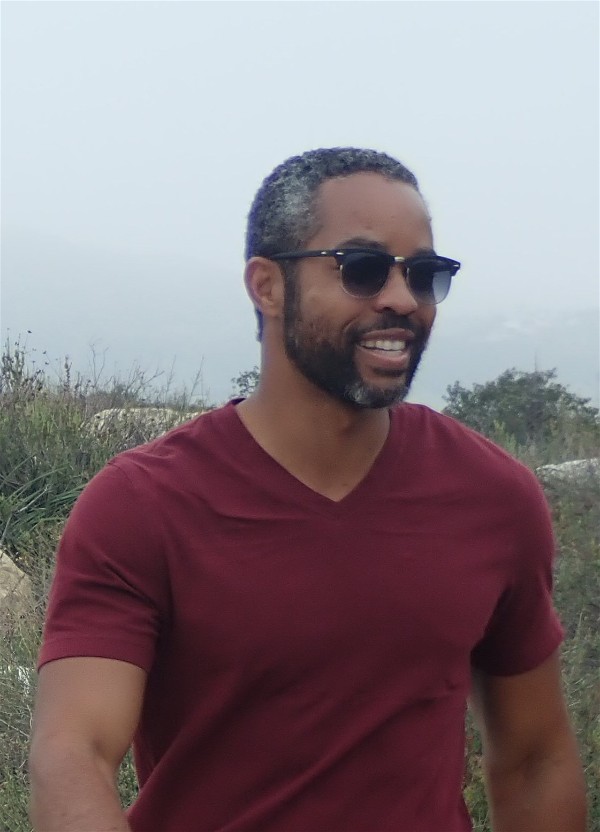
Carlos Grider launched A Brother Abroad in 2017 after a “one-year abroad” experiment turned into a long-term life strategy. After 65+ countries and a decade abroad, he now writes about FIRE, personal finance, geo-arbitrage, and the real-world logistics of living abroad—visas, costs, and tradeoffs—so readers can make smarter global moves with fewer surprises. Carlos is a former Big 4 management consultant and DoD cultural advisor with an MBA (UT Austin) and Boston University’s Certificate in Financial Planning. He’s the author of Digital Nomad Nation: Rise of the Borderless Generation and is currently writing The Sovereign Expat.