
CHAPTER 3
Digital Nomad Nation: Rise of a Borderless Generation
The Digital Nomad Lifecycle
.
“Not till we are lost… do we begin to find ourselves.”
— Henry David Thoreau
“There are many paths to the top of the mountain, but the view is always the same.”
— Chinese Proverb
Every digital nomad starts their journey the same way: with a dream of freedom. For some, it’s about escaping the nine-to-five grind. For others, it’s the lure of new experiences. They desire to wake up to a sunrise in Bali or find inspiration on the cobblestone streets of Lisbon. But as romantic as this lifestyle sounds, the road from excitement to sustainability is anything but linear.
Modern nomads, like our ancestors, travel the world with purpose. Their journeys follow familiar rhythms. They travel to comforting islands for the summer’s sunshine and return to bustling “watering holes” like Chiang Mai or Medellin. During the winter months, they seek the warmth of community in Bansko and Tulum. Over time, these journeys form patterns. The thrill of the unknown cycles with the fulfilling familiar throughout the seasons.
Beyond the migration through the sunshine and snow, the path of the individual digital nomad comes with seasons of its own through phases of personal evolution. Each phase of the journey takes nomads deeper into a unique way of living that is as challenging as it is enriching. Single step by step, they move closer to a version of the digital nomad lifestyle that is markedly their own. They move closer to a version of themselves, true to their values and desires.
However, as ambitious and wide-eyed as anyone may be on that first one-way flight, no one is fully prepared to be a digital nomad at the start. They all adapt along the way. They develop the mental and emotional strength to wander the world alone. They learn how to navigate the limitations of each location and themselves. They decipher how to extract a resilient income from an ever-changing digital economy.
The resulting new set of knowledge, skills, and abilities comes over time and empowers the new nomad to seize the unique opportunities of the digital nomad life. It is all part of an empowering transformation that aspiring nomads experience as they grow through their journey. It is all part of the lifecycle of the digital nomad.
This chapter explores the emotional and practical stages of that journey. From the giddy first steps of departure to the sobering realities of life on the road and the “settler’s dilemma.” From the ubiquitous milestones of the novice’s journey to the methods “seasoned nomads” use to achieve balance and sustainability.
This is the digital nomad life cycle.
Note: This section and the information within are derived from the data, analysis, and insights extracted from the 2022 Global Digital Nomad Study [1].
The Digital Nomad Lifecycle
The digital nomad lifecycle is a series of stages that all nomads traverse: preparation for, jumping into, and mastering the life of a digital nomad. Eventually, they will grow into their version of the digital nomad lifestyle. The journey culminates in a new phase that offers a mix of something that is fulfilling yet sustainable and healthy long term.
Phases of the Digital Nomad Lifecycle
- The Start: Awareness, Planning, and Preparation
- The Escape Phase: Month 1
- The Experiment Phase: Months 2 to 12
- The Mastery Phase: Years 2 to 3
- The Settler Phase: Years 3 to 5
The Start: Wonder, Awareness, Planning, and Preparation
Every nomad, no matter their nationality, past job, life situation, or dream, starts their journey with curiosity and hope. They wonder if there is more out there. They wonder if there is a way to experience that “more.” They wonder how they can escape from the “real world” to that “more” and make something better happen for them.
Then, one day, inspiration finds them.
Awareness of the Digital Nomad Lifestyle
For most nomads, the seed of desire for a different approach to living is already inside them, even if they can’t put that desire into specific words or actions. Luckily, they didn’t have to.
Digital nomadism gained significant momentum as a trend and a lifestyle sometime between 2014 and 2017. Prior to that, it was barely a possibility, with difficult logistics and few successful examples to take inspiration from. Now, it’s hard to browse the internet or social media without influencers or trendy news sites hyping up the lifestyle.
Despite the likely romanticizing of the lifestyle purely for more clicks, there is a silver lining of this broadcasting. Regardless of a potential lack of authenticity, this exposure often sparks the start of many nomads’ journeys. The brief quips of information showcasing exotic locations and luxurious lifestyles catch the attention of the unknowingly aspiring nomad. Imagination nourishes that seed of an idea, inspiring the now aspiring nomads to seek out more information. So many questions about digital nomadism and how to make it a reality now set the aspiring nomad’s mind on fire. They search online, scouring the net for threads, details, and truths behind the possibilities to answer their burning new questions.
What they find are stories and discussions that become their invitation to join the journey and adventure of digital nomadism.
Planning: The separation, the departure, and the future
Excited and inspired by the thrill and curiosity that all travelers feel in the lead-up to adventure, trip planning begins. The essential points of their planning are the separation from their existing life, the departure itself, and the future life they will transition into in the near future.
Planning the “separation” to be healthy, efficient, and as painless as possible involves the following:
- Leaving their job by quitting, requesting a sabbatical, or requesting a transition to remote work
- Leaving their home or apartment by breaking the lease, subletting, or maintaining an apartment unrented
- Saying goodbye to relationships, planning healthy farewells, and laying the foundation to stay in touch with friends, family, colleagues, and future clients
- Creating a healthy financial situation by planning a budget and spending for their future travel and income situation, saving enough for those planned travels, and planning how to create new, location-independent income sources
- Transitioning professionally to digital nomadism, which may include transitioning to a different career field, planning new education and training to support the career transition, and officially establishing a new business
- Planning the logistics of their travel, choosing their start city, planning flights, researching the best accommodation options, and planning the itinerary for the beginning of the journey
- Planning the initial travels for the first months to a year, highlighting the bucket list experiences they want to take on (e.g., Paris, Machu Picchu, SCUBA diving), and opportunities they want to explore (e.g., Akiya in Japan, 1 Euro houses in Italy, learning Spanish in Madrid)
Unfortunately, if they’re not careful in the planning phase, aspiring nomads can linger in this place of “wonder” and planning for months or even years. If they delay their departure too long due to work, personal finances, and relationship conflicts, the possibility of the adventure can slip away. They need to understand that the conditions for leaving will never be perfect. Then, they can start preparing with a minimalist but sufficient plan, passionate commitment, and confidence.
Preparation:
Once nomads decide where they will go and when they will go, they can finally put the plan into action and start preparing.
The essential preparation for nomadism can be divided into several areas:
- Career
- Home and belongings
- Relationships
- Budget and personal finances
- Income experimentation
- Booking flights, accommodation, and other travel logistics
Preparing to leave a job:
If nomads are still employed, they generally take steps to leave employment on good terms by resigning in accordance with best practices for their industry. They take care in leaving and consider that former employers could be 1) references for future work, 2) future clients, or 3) future employers again if they return home after the adventure. Additionally, as former coworkers and bosses leave their current company, they naturally expand the nomad’s professional social network as long as they’ve left on good terms. Being sure to leave on good terms and leaving the door open for communication in the future is an intangible professional investment.
Securing home and belongings:
Keeping fewer belongings at home saves money and frees the traveler from responsibilities at home by keeping fewer items to store or worry about. Many nomads sell most possessions, using funds to finance travel as any empty closet reduces headaches. However, irreplaceable items of sentimental value are often kept in a storage unit or with a family member. As for housing, most nomads end their rental agreements or arrange a sublease until the lease’s end. Because travel for most new nomads has no end date, leaving a situation of house and belongings as if they won’t return for years is prudent planning, stress relieving, and mentally freeing.
Tying off relationships:
Relationships are one of the most powerful and influential aspects of the nomad and solo travel experience. Leaving relationship situations with the best chance for “strong ties” relationships “back home” will help alleviate the loneliness that nomads will inevitably face during their time traveling alone. These grounding ties will bring invaluable emotional stability like a “virtual tribe” that they carry in their backpacks, minds, and hearts on remote adventures.
Relationships are more likely to survive the journey abroad if left in a proper state. Proper goodbyes make for strong connections. Thus, aiming for a deep connection over a proper sendoff is a valuable part of a “healthy departure.” Friends, family, and colleagues are all worth having dinner, a drink, or a coffee with before leaving. Sharing final thoughts, planning to keep in touch, and planning to meet on the road helps relationships survive long distances.
Additionally, ending non-beneficial relationships can be emotionally and mentally freeing for the nomad. Closure and completeness can improve the journey in unexpected ways.
Budgeting and Personal Finance:
Predicting how much travel will cost and saving at least that amount is an important step. Most nomads don’t start with remote-friendly income right away and instead finance their travels with savings, partially or completely, until a sustainable income source is developed. So, saving a sufficient and reasonable amount of cash for their planned adventure is the most prudent financial option.
For the beginnings of nomading, using the cost of living data available in online nomad communities, the new nomad should predict the cost of their first six months of travel. Savings to cover these first six months of living, transportation, business expenses, and excursions should be the minimum savings needed before departure. Because most nomads don’t reach full self-sufficiency from a remote income until year three, savings for one or two years is optimal [2]. Additionally, prudent new nomads avoid the trap of financing travel with credit cards or any other debt.
Experimenting with location-independent sources of income:
Money and income during travels are potentially the most important resources for digital nomads and the most prevalent limiting factor on the journey.
Finding a suitable remote income source and mastering how to keep it stable are achieved through processes of trial and error, with the final optimal outcome unique to each nomad. Few nomads nail their first income source attempt. For the rest, pushing through the iterations, failing fast, and learning the lessons for the next attempt quickly is essential. So, the sooner the nomad starts experimenting, the sooner they will find and master a remote-friendly source of income.
Savvy aspiring nomads start their income experiments before leaving their homes and jobs. This allows them to cycle through the inherent failures with a safety net of work, income, and a close support network that won’t be there soon.
A sustainable income likely won’t be achieved prior to departure, but experiencing the difficult process of small business iteration amidst a stable situation puts these prudent aspiring nomads far ahead of peers who delay financial experimentation until after departure.
Plan and Book Travel:
Once the nomad has prepared to leave their job, planned their finances, and begun experimenting with income sources, it is time to plan the travel. Planning travel for long-term nomadism is a much looser process than the detail-filled planning for a short vacation or a group trip.
For new nomads, a loose six-month plan with a firm start city, a different country for each month of the first six months, and a list of cities of interest in each country is enough. Having a loose tentative plan allows the nomad to prepare from a budget, visa, personal fulfillment, and work standpoint. However, having no firm plans such as booked flights, trains, or accommodations past the first city allows the nomad to adapt to new preferences and opportunities they discover on the road.
The only bookings nomads generally make before departure are the one-way flight to a capital nomad city and accommodation for the first one to two weeks. This first flight is essential from a motivation and planning standpoint. Additionally, having accommodation booked for the first two weeks in that city bakes in a needed decompression period as they make the gargantuan adjustment from “real world” to “life of travel.”
Then, after all planning and preparation have been made, it is finally time to light the fuse for the explosive journey of digital nomadism.
The Escape Phase: The Journey truly begins
Once the last goodbyes are said, the bags are packed, and the flight is boarded, the escape phase begins. Like bank thieves fleeing a heist, new nomads flee with the riches of freedom, hope, and expectation into an open-ended adventure.
This exciting phase lasts roughly one month as the new nomad adjusts to a new life of travel, emotionally and mentally, amidst a buzz of elation and pleasant overwhelm. During this phase, they realize they’re not on a simple vacation or short trip like in the past. They realize they are living a new life on the road indefinitely.
In that first month, their minds may run to thoughts of home, returning to work, and worries of former responsibilities in the “real world,” as they would on vacation. But this is merely their mind playing tricks on them as all of these worries were left behind and remain in the past. It is on them, now, to adjust and let their minds “catch up” to the freedom of their present reality.
Watch solo traveling backpackers and nomads in their first few weeks of travel among travelers who’ve been wandering for months. You will see a difference between the freshly arrived and the surrounding travelers who have settled into life on the road. The difference between the two groups is almost visible. The escape was not just physical but also mental and emotional as well. They are slowly settling into the fact that this is their new life. They realize the shift that is taking place. They have finally exchanged past commitment, responsibility, and structure for boundless freedom, endless opportunities, and a path that is whatever they make it.
After a whirlwind month, the nomad’s head and heart settle into the experience. An exploratory year of wonderful ups and downs begins as they find the pace and tone that will characterize their first year of travel.
The Experiment Phase: Month 2 to Year 2
As the pleasantly disorienting excitement of the escape phase ends, digital nomads enter a phase of discovery. New nomads transition from the “celebrating travel” phase and settle into the logistics of digital nomadism. They build routines and focus on work as education and transformation begin.
The obstacles and challenges that flood the nomad’s first year don’t just create a superficial change in habits. Instead, they force internalizing new frameworks for working, living, and traveling.
Discovery characterizes this “Experiment Phase” and lasts most of the first year of travel for the new nomad. As they discover the world via travel, just as they dreamed, the nomads also discover themselves and what they want from the world. In that experience, nuances of the digital nomad life and how to make it work emerge.
The new nomad spends months 1 to 3 fastpacking, flashpacking, backpacking, and absorbing the travel experience. They prioritize the pleasures they’ve been dreaming of more than the professional experience. These initial travels happen at a faster pace than normal for most digital nomads as they switch cities daily to weekly to satisfy their undernourished urge to explore. The sights, sounds, and social life of travel suck them further into the experience of solo travel and wandering between countries.
During months 3 to 9, new nomads become aware of a need for balance. The most pressing balances are between the pleasures of travel, the demands of work, and the requirements of a healthy life on the road. In this period, nomads tend to settle into a slower pace of travel. They gravitate to and seek out community online and offline for information and support. They become aware of the nomad hubs and capitals attracting them and the potential community, connection, and ease of life they hold. But with all its wonders and excitement, the first 9 months of travel aren’t all roses and parties.
As new nomads stay on the road longer, they become more aware of the struggles that come with working and traveling while having no true “home.” The initial elation, excitement, and unique nature of solo travel masked the draining effect of planning visas, loneliness, continuous culture shock, and travel fatigue. But, as the nomads’ pace slows and the initial buzz wears off, the struggles become more apparent.
Between months 9 and 12, the common struggles of the nomad lifestyle accumulate. Burnout sets in. Financial stability questions arise. A grain of desire to return to the comforts and stability of home set in. At this point, for many floundering nomads, the problems seem to outnumber the obvious solutions. This conundrum – of overload, burnout, and a need for support and stability at the end of the first year of travel – creates the basis of the “nomad crossroads.”
The Crossroads of Year One: Finding stability on the road or at home
Year one of the digital nomad experience bombards with excitement and pleasure, laced with struggles and character-building obstacles. Initially, the wonder and awe of the experience mask the pain of the logistical issues, trials, and struggles of living abroad. But, the slowing pace and newly established routines bring awareness that for nomadism to be sustainable, something must change.
As year one ends, the emotional weight leads nomads to a choice. A “crossroads” appears in the face of mounting lifestyle issues: stay on the road or go home.
Though there is a strong pattern for burnout and the subsequent “nomad crossroads” to occur at the end of year one, they typically arise between months 9 and 12. This crossroads is less a problem in its own right and is more an indicator of the underlying struggles of the individual new nomad.
At some point, most nomads are hit with either financial or work struggles – often both.
Digital nomads very rarely find financial success in their own business within the first year, usually not until year three, as stated before. This unexpected mistiming often challenges their initial budget and financial plan.
At the same time, while the inexperienced may believe solo travel is constant and pure bliss, every rose has its thorns.
Many people think the joys of travel outweigh the loneliness it can bring, but moving weekly or monthly and living in a place whose language and culture aren’t your own can be difficult in the long term. Loneliness can follow a wanderer to the most remote of places, along with the other baggage they bring. The ongoing need to tackle issues alone, without help from friends, family, coworkers, or social services, loneliness makes the constant struggles even more detrimental.
The logistics of orchestrating travel chip away at the enjoyment and optimism that once filled the air.
This leaves an emotional void and motivational glut. That is when digital nomad lifestyle burnout creeps in – depletion of the passion and desire that are outweighed by the active struggle to make things satisfying, make things healthy, and just make things work.
The only true solution to burnout is relief from these struggles and sustainable solutions. Whether those solutions are found on the road during continued travels or in the home country depends on the individual nomad.
For those who reach true burnout, returning home can solve the issues of loneliness, work instability, and traveler fatigue. However, returning home as a changed person after a year of travel opens a whole new adventure, a new chapter, with new struggles. But that is a story for a different book. Granted, nomads who return home can always recharge, recover, save, build their business, and re-tool their nomadism plan. They can return to the road without shame and likely return with more success. However, for the time being, this is the end of their journey.
For the nomads that fight through burnout, struggles, and loneliness long enough while still trying and being adaptive – a solution awaits. This solution brings balance, akin to a life preserver in the chaotic sea of the struggling nomad’s journey. The solutions of external support and stability gained through experience lie ahead as their saving grace.
The Mastery Phase: Year 2 to Year 3
As nomads enter year two, they are likely lightly familiar with the nomadic life. They have possibly recharged with a temporary visit home to reconnect with loved ones. They have “hung in” the adventure long enough to have earned solutions to their most pressing problems. They begin the year empowered with knowledge, a balanced head, and a realistic perspective of digital nomadism.
The testing times of year one empowered them with valuable lessons. Applying the learnings makes for more efficiency, more productivity, and more focus on what fulfills them.
Year two is generally a productive year for discovering a path to achieving stability and financial growth in a fashion uniquely suitable to them.
As they return to the road, these seasoned nomads begin experimenting with new, more stable income options or actively evolving their business or income source. They apply business and lifestyle lessons learned to new business opportunities they’ve become aware of. The lifestyle is still centered on travel, freedom of movement, and adventure. However, by prioritizing balance, they’ve achieved a sustainable pace of travel and a “migration path” conducive to both productive work and emotional, mental, and overall health, achieving stability through near-invisible travel, lifestyle, and work patterns.
The “in-person communities” in nomad hub cities around the world become firm staples in their travel routines. Coworking spaces, hostels, coliving, meetups, and conferences bring needed real-world connections with like-minded nomads. In these cities, the “year two nomad” finds the stability that comes with good infrastructure for nomads and the opportunity to connect for the longer term with like-minded nomads. Online communities across social media, discussion forums, messaging groups, and site-specific online communities also become more stable resources for solutions. The online communities, which are often location and demographic specific, offer quick and easy solutions, preventing the overwhelm and burnout of the previous year.
Ultimately, nomads in year two have sufficiently adapted to long-term life abroad. They have accommodated the common struggles with the assistance and support of the Digital Nomad Nation. They have adjusted travel patterns and chosen a pace and locations that encourage balance between work, health, and pleasure.
As they settle into this new take on life abroad, the possibilities of becoming a “flexpat” enter their sphere of awareness.
Year Three Nomads: Mastery Applied
By year three, nomads have undergone a full transformation. They have mastered the tools and tactics of visa planning, travel strategies, seasonal location planning, digital economy patterns and opportunities, and leveraging the structure and nature of the digital nomad community. They can now easily overcome the obstacles of nomad life and make the most of its opportunities.
Now, these nomads tend to transition from an “indefinite string of travels” to more consistently nomading between “base cities.” In doing this, the nomads choose specific locations to return to that support and enrich them, based on what the cities offer and the individual nomads need.
Popular examples of base cities include Lisbon, Medellin, Hanoi, and a plethora of other nomad hubs. These base cities and the string of travels that connect them create migration paths. These paths usually align with the seasons and the travel habits of other nomads they connect with.
Nomads then fill the voids in their itineraries between their base locations with the travels and adventures that lured them into the nomadic life. Big adventures like hiking Kilimanjaro, snowboarding in Hokkaido, or joining Carnaval in Rio highlight travel breaks from work and other small, one-time experiences that lure nomads away from their base cities. In the end, these seasoned nomads achieve a semblance of balance between adventure and stability.
Year Three: A milestone of financial sustainability
By year three, many nomads had finally built successful small businesses. Most digital nomads need those first three years to create a thriving and sustainable digital venture. This long overdue success is partly due to the newfound stability of year three’s travel patterns and lifestyle insight and the accompanying productivity. However, the success is largely due to the countless attempts, trials, errors, iterations, and adaptations that come with a combination of being a traveler and a digital business owner and sticking it out through the digital nomadism “school of hard knocks” [5]. This iterative “kaizen approach” to the digital nomad lifestyle helps many achieve a dream that has no instruction manual blueprint.
Year Three: The year of “tenure”
Year three is also largely a time of satisfaction. The nature of this phase of balanced travel, stable income, and heartwarming exploration is exactly how aspiring nomads picture the lifestyle before they begin the journey. This is not to say that the landscape of work, travel, and life won’t change. Change in the life of digital nomadism is inevitable. But, these “year three nomads” finally have the experience, resources, and insight to anticipate and adapt to changes in the digital economy. As long as they stay aware of changes in the digital economy, they can remain in the nomad lifestyle as long as their hearts desire.
The experience of year three nomads could be described as a “calm elation.” A peaceful satisfaction that doesn’t require the optimistic veneer of year one’s chaos. They stay on this journey, bouncing around the world at a moderate pace, balanced with a stable business, until they are “satisfied.” With their palates for wandering nearly satiated, a new opportunity looms.
Sometime between year 3 and year 10, nomads reach another crossroads. This decision point is less caused by burnout than last time. By contrast, it is driven by the desire for more stability and routine. It is driven simply by the desire to build a life of more permanence but still satiating the palate that craves all things culturally international. They become aware of the opportunity to exist not as a constantly moving nomad but as a settled global citizen.
The Second Crossroad & The Settler’s Dilemma: Beyond Year 3
Sometime after digital nomads have “mastered” the lifestyle, achieving income and balance while also satisfying the temporary urge for fast-paced travel, they become aware of two factors: one internal and one external.
Internally, the successful nomad realizes what they appreciate and what they want in their lives. After the novelty of “one more new destination” fades, they may appreciate the clean streets and ubiquitous hot springs of Hokkaido. They may appreciate the leisurely pace, afternoon siestas, and irresistible tapas of Seville, Spain. They may appreciate the buzzing and idea-filled startup hubs of San Francisco and Berlin. Most importantly, they realize that they don’t have to travel simply to explore anymore. They realize that they prefer spending time in places that deliver exactly what they want. No more. No less.
As these realizations settle, the seasoned nomad may see longed-for possibilities. But these dreams are hard to reach when moving to a new home every six months.
A healthy relationship leading to a healthy marriage can rarely be found and bloom in a six-month stay together. The prospect of having and raising children is an equally slim possibility. And friends will rarely follow you to the next destination.
Beyond personal relationships, seasoned nomads often have a wealth of business ideas and investment opportunities that leverage unique insights that only come from being well-traveled. Experience building a business with location-independent income and experience in tens of countries opens a world of possibilities. But, for many of these ideas, the nomad can only execute on the opportunities in the place that they live.
At the start of the journey, aspiring nomads felt an awareness of all the experiences available to them in the experience of traveling the world. The seasoned nomad slowly becomes aware of the new opportunities that come with settling in a place in the wide world they’ve discovered and becoming intimately familiar with that single place. Relationships, business opportunities, strategically chosen satisfaction, and a new level of fulfillment lie in a meticulously designed life as a digital nomad settles and transitions into becoming a “flexible expat” or “flexpat.”
Digital nomads who choose to “settle” in a single place, building long-term ties in a single city or country, do not give up the opportunity to travel. They merely build a base, a foundation, on which to build something more in their lives.
As flexpats, the next evolution of the nomad leverages the location and time independence of online businesses to go when and where they please. They also leverage the insight of the seasoned wanderer to strategically choose a home that delivers what they want out of life. Lastly, they use their new “partially settled” state to enhance their lives. This state allows them to add what the unstable digital nomad lifestyle kept away – consistent neighbors, friends, family, loved ones, and a stable home.
At the end of the digital nomad lifecycle, the flexpat emerges as the next evolution of a new breed of nomad. The flexpat is still highly mobile but has become a global citizen bridging worlds with deeper connections. The flexpat lifestyle is more sustainable in the long term and offers more possibilities than anyone expects.
Embarking on the new path of a Flexpat marks the start of a new adventure.
The journey within the journey
As nomads progress through the nomad lifecycle, they experience an empowering transformation. The evolution expands their perspectives, imparts knowledge unique to the nomad life, and hones and sharpens skills. The journey empowers them to not only survive but thrive and baptizes them in the culture of digital nomadism. This growth takes aspiring nomads through the rite of passage of the nomad lifecycle, shaping them into seasoned, capable nomads on a self-sustained adventure around the world.
Missed flights, poorly planned itineraries, midnight client meetings, the appeasing of fleeting desires, feeling overwhelmed in over-touristed destinations, and the frequent near-misses with burnout are all part of this natural “induction ritual” into the nomad lifestyle and community. The new nomads’ adventure in experience, trial, and error holds the lessons and exams of the University of Digital Nomadism.
But, unlike the higher education doled out today, this crucible empowers the resilient nomad with what they have desired since day one.
A borderless life abroad, living and earning anywhere that their adventures take them.
Chapter 3 Field Insights: The Digital Nomad Lifecycle
① The Journey Is a Rite of Passage
From curiosity to confidence, digital nomads evolve through distinct phases—from the excitement of escape to the challenge of achieving sustainability and stability. Each stage brings growth, struggle, deeper self-knowledge, and newfound capabilities.
② Burnout Is a Crossroads, Not a Failure
The emotional and logistical weight of long-term travel often leads to a breaking point. But for many nomads, that moment becomes the catalyst for finding balance, innovative approaches, community, and a more fulfilling path forward.
③ Transformation Takes Time
Most nomads don’t build sustainable income or personal equilibrium overnight. It takes years of iteration, self-discovery, and conscious lifestyle design. The most important ingredients in the process are resilience and determination. But for those who persist, the payoff is a life of freedom few imagined was possible.
Departure Point:
If you’re preparing for—or navigating—your own nomadic journey, ask yourself: Which phase am I in? What is this stage here to teach me?
Then ask: What support, structure, or self-care might help me thrive here instead of just survive?
The goal isn’t to chase every horizon—it’s to build a rhythm that lets you move through the world in alignment with your values, energy, purpose, and desires.

- PROLOGUE
- CHAPTER 1: Why Are Digital Nomads Everywhere?
- CHAPTER 2: What is a digital nomad?
- CHAPTER 3: The Digital Nomad Lifecycle
- CHAPTER 4: How Digital Nomads Earn Their Living
- CHAPTER 5: Geoarbitrage
- CHAPTER 6: Solo Struggles as Foundations for a Nation
- CHAPTER 7: Digital Nomad Hotspots
- CHAPTER 8: The Nomad Nation Is Already Forming
- CHAPTER 9: The Dark Side of Digital Nomadism
- CHAPTER 10: Models for a Digital Nation
- CHAPTER 11: Tuvalu
- CHAPTER 12: Decentralized Autonomous Enclaves
- CHAPTER 13: Visionary Possibilities
- CHAPTER 14: What Comes Next?
- CHAPTER 15: Conclusion
- CHAPTER 16: The Digital Nomad Nation Manifesto
- CHAPTER 17: The Call to Action
- EPILOGUE: Rise of the Flexpat
- APPENDIX A: Global Digital Nomad Study
- APPENDIX B: Nomad Nation Resources

.
.
ABOUT THE AUTHOR
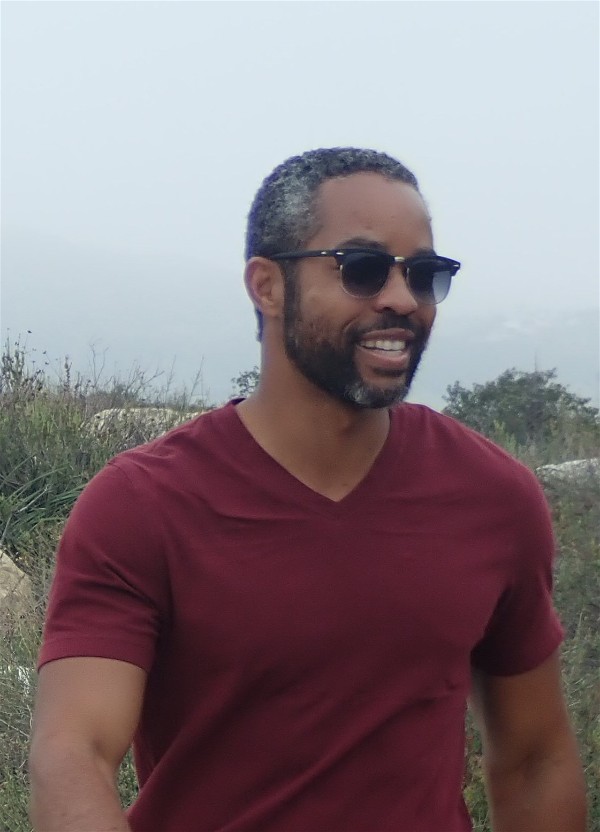
Carlos Grider launched A Brother Abroad in 2017 after a “one-year abroad” experiment turned into a long-term life strategy. After 65+ countries and a decade abroad, he now writes about FIRE, personal finance, geo-arbitrage, and the real-world logistics of living abroad—visas, costs, and tradeoffs—so readers can make smarter global moves with fewer surprises. Carlos is a former Big 4 management consultant and DoD cultural advisor with an MBA (UT Austin) and Boston University’s Certificate in Financial Planning. He’s the author of Digital Nomad Nation: Rise of the Borderless Generation and is currently writing The Sovereign Expat.