
PART 2
Digital Nomad Nation: Rise of a Borderless Generation
Collective Power
The Rise of a Global Nomad Community
.
As the extended reach of technology and connectivity allows people to move beyond the reach of support of their own families, friends, and governments, the opportunities of the nomad community become clear: A source of support, a tribe of like minds, and a collective of potential that could shape the world into the playground, and home, of the global citizen.
However, just like the aspiring digital nomad had to take their first step on their journey of becoming, the digital nomad community was now being called to become something more than just a group of working travelers.
Just as the individual wanderer was completing a journey to become a capable nomad, they were being called to join in and drive the transformation of the nomad community into a nation of nomads.
CHAPTER 7
Digital Nomad Nation: Rise of a Borderless Generation
Digital Nomad Hotspots
“Each city has its own charm, its own way of loving, living, and expressing itself. You don’t find cities—you let them find you.”
— Roman Payne
“Travel far enough, you meet yourself.
Stay long enough, and you meet the world.”
— DNN
As digital nomads grew in their journeys, they became skilled and well-funded. They loved their adventures, but they were still missing one thing.
Community.
Digital nomads all need many of the same things—a place to sleep, a place to work, a place to eat, and a place to relax and enjoy the life they’ve built.
These needs and desires drew nomads to the same places. The same regions. The same countries. The same cities. The same neighborhoods to find what they needed next.
In these places, they not only found satisfaction. They found each other. They found the community that supported them online and from afar—but in the real world. They also unknowingly joined a new journey – the transformation of the “nomad community” into a digital nation.
The story of the rise of the digital nation is very interesting, and it all starts with these little dots on the map in far-off regions of the world.
Most digital nomads spend their time roaming the globe in search of what satisfies them. But, the average digital nomad’s travels are far less aimless wandering than most would guess and far more strategically chosen “migration paths.” These paths link common, purposeful cities in the travels of many nomads.
Some of these cities are major digital nomad-gathering points within a region called nomad capitals. Other locations with smaller nomad communities often offer access to something special while still delivering the infrastructure nomads need in these “nomad hub cities.” Between these international landmarks for nomads, strings of smaller destinations connect to form “bucket list” worthy stop-offs, forming common itineraries that make up the “trails” of nomads and other travelers.
All three of these types of digital nomad locales—capitals, hubs, and trails—serve several purposes within the travels of individual nomads and the digital nomad community as a whole.
Each of these destination types not only improves the individual nomad’s experience but also shapes the nomad nation as a whole.
The Digital Nomad Capitals
The digital nomad capitals of the world are the major cities within each region wherein the nomad community has a significant presence, has an extended history, has integrated into the community, and has done so in a way that the city now offers significant infrastructure supporting and catered to digital nomads.
The digital nomad capitols of the world are Chiang Mai, Thailand, as Asia’s digital nomad capital; Lisbon, Portugal, as Europe’s digital nomad capital; and Medellin, Colombia, as South America’s digital nomad capital.
Each of these cities is home to not only thousands of digital nomads at any one time but also hosts a wealth of nomad-focused infrastructure. Coworking spaces, co-living spaces, and remote work-friendly cafes foster a vibrant and productive digital nomad community. This unique, nomad-enticing setup is in addition to essential non-nomad-focused infrastructure. Infrastructure like relatively fast internet, a walkable situation or pleasantly navigable situation by public transport, self-sufficient enclave-type neighborhoods, convenient “second cities” nearby for travel and variety, and convenient visa situations allowing for 3 to 6-month stays cheaply and easily round out what makes these cities perfect for nomads.
Each of these cities’ offline communities has mirrored online presences that act as bridges between the virtual and reality to keep nomads connected to the capital’s community online while distributed globally. For example, as of 2024, the active Chiang Mai Digital Nomad Facebook group hosts 41,000 members, the Lisbon Digital Nomads & Expats group hosts 57,000 members, and the Medellin Expats & Digital Nomads Facebook group hosts 19,000 members, connecting nomads on the road to their capital or hub of choice until they return.
Special online groups also exist covering specific demographics of nomads (e.g., female digital nomads, LGBT nomads, and nomads of color) for each location.
On a community level, the capital cities have a significant global impact. Many of the major nomad initiatives have started in these nomad capitals. A great example of such is the Digital Nomads Madeira Village project in Portugal, which drew inspiration, influence, and a nomad population from Lisbon at its beginnings. Additionally, the “Remote from Georgia” program out of Tbilisi, Georgia, was a simple template for inviting digital nomads and allowing them to stay and work with limited paperwork and no taxes. This pattern of breathing life into innovative ideas and being followed by advocacy and execution in the capitals is like how policy generally comes out of a traditional nation’s capital.
On an individual level, digital nomads frequently return to these capitols for rest and recovery, focused work stints, and reliable opportunities to socialize with other digital nomads. Loneliness and lack of connection are the number one reason digital nomads quit nomading and return to their home country. The predictable infrastructure and easily accessible community make the nomad capitals staples on digital nomads’ travel paths to combat this problem[1].
However, despite the similar position of weight each of these digital nomad capitals holds within their region, they also hold very distinct personalities within the larger community. This makes an examination of each region’s capital a worthwhile way to understand the workings of this digital nation.
Chiang Mai, Thailand: Asia’s Digital Nomad Capital
Chiang Mai is arguably the oldest digital nomad hub in the world. This longevity through tourism spikes, travel trends, and a pandemic also makes it the most significant digital nomad capital in the world.
Coworking spaces, such as PunSpace, were commonplace in Chiang Mai as early as 2013 as they promoted remote work long before the digital nomad trend picked up momentum globally. Later, Chiang Mai hosted the first conference specifically for digital nomads. The Nomad Summit in 2015 solidified it as an international rallying point for all things digital nomad-related.
Today, the Nimmanhaemin neighborhood of Chiang Mai, often called Nimman, serves as the quintessential “self-sufficient enclave” where digital nomads flock to and thrive. Thanks to its walkable layout, filled with essential coworking spaces and cafes for work, bars, and eateries for play, easy transportation to nearby adventures, and cheap yet easily booked and accessible accommodation, nomads can arrive in Nimman with just a backpack and laptop and drop right into a productive, high-quality life.
The foundation of the enclave is a walkable layout filled with essential coworking spaces and cafes for work, bars, and eateries for play. Cheap yet easily booked and accessible accommodation completes the essentials so nomads can arrive in Nimman with just a backpack and laptop and drop right into a productive, high-quality life. Beyond the daily necessities, easy transportation to nearby adventures and easy access to nomad hub cities round out Chiang Mai as the textbook “digital nomad enclave” neighborhood.
Though local businesses in Chiang Mai do face the financial opportunity of the foreign currency and higher wages that nomads bring, Thai local business owners work hard to maintain and preserve the local culture within the city instead. This choice not to cater solely to the growing digital nomad population staves off the negative effects of gentrification, potentially caused by nomads, and creates a more ethical, sustainable ecosystem.
Many business owners in Chiang Mai take the local cultural preservation a step further, sharing aspects of Thai, Lana, and Chiang Mai culture throughout the places that also just so happen to welcome nomads. This act of continually maintaining, integrating, and actively sharing local culture while welcoming nomads is a great best practice among businesses around the world.
Punctuating the profile of this quintessential nomad hub, nearby destinations that cater to all personality types are easily accessible. From the undeniably hippie-ish haven of Pai to the party-filled and potentially debaucherous Bangkok, to the resort and beach-filled coasts of the Gulf of Thailand and the Andaman Sea a 2-hour flight away, Chiang Mai’s location makes anything possible within a few budget-friendly hours of travel.
On a national level, Thailand’s easy visa situation for most tourists allows convenient stays for most nationalities. The Thai SMART Visa for remote working professionals and the 5-year Destination Thailand Visa (DTV) easily accommodate longer stays. This shows one of the many ways the Thai government’s activities complement the efforts and strengths of Chiang Mai in making this city and Thailand, as a whole, an easy place for digital nomads to live, work, and play.
Ultimately, Chiang Mai tops the list as the most significant digital nomad capital in the world. Its legacy and quintessence in fulfilling the needs of nomads are why this capital is the one place most nomads will always return to in Asia.
Lisbon, Portugal: Europe’s digital nomad capital
Lisbon, Portugal, is not the oldest digital nomad destination in Europe. But in recent years, this old-world port city has grown immensely in popularity among digital nomads. Currently, Portugal is the strongest gathering point for nomads in Europe, and Lisbon is the de facto capital of Europe for digital nomads.
Lisbon’s coastal location, international airport, and perfect situation for accessing Europe, the Americas, and Africa make it an amazing location for travelers to pause and recover between a variety of adventures. The low cost of living relative to the rest of Europe, reliable infrastructure, easily navigable public transportation, and a plethora of self-sufficient enclaves, underscored by a population commonly fluent in English, make Lisbon a perfect base to live and work as a digital nomad between travels.
Similar to Chiang Mai, the digital nomad population in Lisbon, numbering over 70,000 in Lisbon-focused digital nomad Facebook groups, fits seamlessly into the roughly 3,000,000 population in Lisbon. This integration happens without excessively disrupting the normal happenings in enclaves throughout the city. Over 100 active coworking spaces in Lisbon support the digital nomad community during work, while frequent meetups and off-time collaborative projects offer the social life solo nomads need.
Beyond the mellow charm of Lisbon, Portugal, as a whole, could be thought of as the European hub for digital nomads. In recent years, the nomad population has grown and flowed from Lisbon into nearby Porto and Madeira. These hubs have become as popular and influential in the global nomad community as Lisbon but are still connected enough with Lisbon to feel like a single community.
Portugal as a whole for nomads is also set apart from other European digital nomad hubs by government activities that ease digital nomads’ situations. An example of such is the opportunity for long stays with the “Independent Means visa” (D7), allowing a 2-year renewable stay, created in 2007. This is in addition to the Portuguese D8 visa, which was designed specifically for nomads with active, remote income and launched in October 2022. Beyond accommodating visas, Portuguese government projects like the dedicated village and nomad enclave, “Digital Nomad Madeira,” have inspired other cooperative projects around the globe between nomads and host governments.
Several other European cities, such as Berlin, Prague, Budapest, Krakow, Bansko, and Barcelona, have consistently attracted digital nomads over the years. However, Lisbon’s accessible visa situation, connection to multiple hubs within the country and internationally, and several ongoing community and government initiatives overshadow the activities and opportunities in the other digital nomad hubs of Europe. While the other European cities are still valued hubs for nomads in Europe, Lisbon remains the most influential city for nomads in Europe. The “Queen of the Sea” continues to excel as a starter destination in Europe that nomads will continue to return to.
Medellín, Colombia: South America’s digital nomad capital
Medellín has been a secret hideaway for backpackers and expats in the know for over a decade. But in recent years, the “City of Eternal Spring” has also emerged as a center of gravity for digital nomads within the Americas. As an innovative city that not only attracts and embraces digital nomads while preserving its own culture, Medellin also backs the unofficial initiatives with policies welcoming digital nomads and general business prowess in its DNA. Additionally, the city has been recognized multiple times for innovative approaches to urban development, social innovation, and sustainability, earning its reputation as one of Latin America’s leading smart cities and adding up to several viable nomad enclaves in a single city.
Even without the presence of digital nomads, Medellin is a key city in Colombia and Latin America, economically and culturally. Medellin and its more professional sister city of Bogota are business, tech, and financial powerhouses connecting North America, Central America, and South America through commerce. This clear predisposition to innovative approaches to international business in the digital age makes Colombia, and Medellin in particular, naturally suited to host online workers.
Throughout Medellín, English is commonly spoken. Innovative community development and preservation projects are underway, such as the “Green Corridors Project,” aiming to connect all city common spaces with walkable, plant-filled paths. Lastly, the populace is commonly both educated and professional, as well as warm and welcoming. The quality of life in Medellin is top-notch, ranking highly within Latin America and internationally. At the same time, the cost of living is among the lowest among major Latin American cities and 1/3 as expensive as the cost of living in the US [4].
The well-established nomad enclave of the El Poblado neighborhood in Medellín has been a base camp for digital nomads in Latin America since the early 2010s. Unfortunately, the attention that followed the digital nomad crowd has attracted an increasing number of unsavory tourists, stag parties, and questionable “travel runaways.” In most nomad hubs, once nomads are pushed out of a neighborhood by tourists and the rising costs they bring, nomads switch cities. Yet, nomads within Medellín have continued to stay in Medellín and grow by moving into other nearby neighborhoods.
The El Poblado area is still the unofficial “nomad neighborhood” in Medellín, stacked with coffee shops, coworking spaces, and nomad meetups. However, the less touristy and more charming neighborhood of Laureles is growing as a base camp within South America’s nomad capital. It is notable that growing tourism and increasing costs did not push nomads out of the city. Instead, it encouraged the expansion of the digital nomad community footprint by diversifying into more enclaves within the city. This displays how nomads have clung to and deeply integrated into Medellin as a staple location for digital nomads in Latin America.
The government of Colombia has also shown interest in and support for the digital nomad population. In April of 2023, the Colombian government released the Colombia Digital Nomad Visa. While many nomad visa offers from other countries go unused due to complexity, bureaucracy, and stringent requirements, anecdotes from digital nomads across the community confirm the ease of use and renewal of the Colombia digital nomad visa and active use of it -more so than the digital nomad visas of many other countries. Like Thailand and Portugal, Colombia’s effectiveness and welcome led to another easy, effective, and user-friendly visa option for nomads.
These three digital nomad capitals represent the origins of the digital nomad movement and the longest-lasting centers of activity by digital nomads, by governments with digital nomads, and by companies targeting nomads within each major region of the world. This constant and growing activity makes these nomad capitals the perfect locations for any nomad to start, end, rest, recover, and reconnect with other digital nomads.
Emerging Capitals: Cape Town, South Africa, Dubai, and Shanghai
The digital nomad capitals of Chiang Mai, Lisbon, and Medellin have the regions of the Americas, Europe, and Asia clearly covered. However, this view does not do justice to the world and the diverse global nomad community.
Africa and the Middle East have burgeoning digital nomad communities that are still growing and displaying high potential. Additionally, China and India, with a combined population of 2.8 billion people, or 34% of the global population, are significant potential sources of new digital nomads and places to roam as the digital nomad migration path pushes more into East Asia and South Asia.
The emerging nomad capitals in Africa, the Middle East, China, and India are growing quickly. Thanks to massive existing populations (relative to the global population), significant government interest, high potential pending the “New BRICS” related global politics shifts, and significant tech and startup sector activity, these emerging cities show strong possibilities for potential new nomad hubs, enclaves, and nomad activities within.
The Emerging Digital Nomad Capitals are:
- Bengaluru, India
- Shanghai, China
- Dubai, UAE
- Cape Town, South Africa
India: Bengaluru over Mumbai, Delhi, and Goa
The “alpha city” of Mumbai boasts the highest number of billionaires in Asia. Delhi serves as the highly trafficked capital of India. Goa attracts wanderers as the beautiful “Pearl of the Orient.” However, Bengaluru takes the title of “Digital Nomad Capital of India.”
As the “Silicon Valley of India,” this thriving tech, startup, and university research ecosystem is already a hub for domestic digital nomads in India. “Bangalore” has high potential as the growing Indian (and Indian digital nomad) population takes their culture across borders. Until then, a strong population of “domestic nomads” in India is taking advantage of the vast territory. With varied cultures, a wide breadth of experiences, and 121 spoken languages, India feels more like many countries within a single country. As Indian domestic nomads wander their own country, they unknowingly prepare the way for international nomads to join in the future.
While India is an infrequent addition to most international nomads’ itineraries, the country’s place as the third oldest country in existence and the most populated country on earth, with over 1.4 billion people, makes it a high-potential place globally as well as for the global digital nomad community.
China: Shanghai stands out as an opportunity, even with the “Great Firewall.”
China continues to gain influence as a global power, strengthening its economy and position in global trade with no signs of stopping. Soon, Chinese digital nomads will follow suit, venturing internationally as well. As China opens, foreign digital nomads will visit China to experience life in this massive country of 1.4 billion people. Though the “great firewall” justifiably deters many foreign digital nomads in need of a strong, unrestricted internet connection, flexible nomads (in work connection and travel style) will still increasingly visit to experience the 4,000+ years of history comprising the second oldest country in existence.
Though there are many influential cities in China, the high density of coffee shops, ease of work life, and higher probability of finding (relatively decent) English speakers make Shanghai the Chinese digital nomad capital. Beijing’s internationally connected big city vibes, academic industriousness, and intellectual community that come with hosting one of the best universities in the world make it a close second Chinese Digital Nomad Capital.
However, beyond the question of which city would be a hub for digital nomads in China is a more pressing question. With China’s notoriously industrious and methodical work culture, do digital nomads even exist in China?
The answer is a resounding yes, backed by the insights shared by Chinese citizens who were also digital nomads that I’ve met and interviewed.
There was our friend Will from the Nomad dinner in Bali. He was our self-proclaimed (and well-accepted) emissary of Chinese digital nomads. He happily worked remotely, nomading within China frequently and traveling abroad whenever projects permitted.
There was “Mary,” a resident of the Chinese island of Hainan, who I met surfing on a far-off surf break in Bali. Mary declared very boldly that in China, she worked remotely, which allowed her to base on Hainan Island specifically for regular surf opportunities. This was why, as she explained, she was probably “the best female Chinese surfer I would ever meet.” Then, Mary would travel internationally whenever her workload permitted. She was using the freedom that came with digital nomadism to balance her work and personal lifestyle, travel for surf, and ultimately enjoy a surf break in Bali.
As these two anecdotal encounters show, there is increasing evidence that plenty of Chinese citizens are interested in and actively taking the jump into digital nomadism. As borders thin, more Chinese citizens are bound to cultivate and use location freedom to travel abroad.
Though many will argue that the digital nomad scene in China is not strong at the moment, and they may be right, it is worth remembering that neither was the global digital nomad community in 2015. At least a handful of the 1.4 billion citizens of China will eventually “take the red pill” as the “red dragon” state starts its digital nomad revolution. Clearly, the Chinese “Digital Nomad Diplomats” are already spreading the word.
Cape Town, South Africa: Africa’s digital nomad base camp
Though the vastness of Africa deserves hubs in North Africa, East Africa, and Sub-Saharan Africa, the continent’s community of digital nomads is coalescing in a single location for now: Cape Town, South Africa.
Cape Town’s coastal location, low cost of living, and beautiful scenery make it an already sure win as a travel destination. It also gives experience-craving nomads the opportunity to explore southern Africa’s rich nature, wildlife, and vastly different cultures of Africa, with Cape Town as their base camp.
Consistent ties to European and North American university exchange programs and business cooperations make it the first African destination for many education and business travelers from the Northern Hemisphere. Additionally, Cape Town boasts a growing digital nomad community, an increasing number of coworking spaces, and good infrastructure. This adds up to “The Mother City” being the best digital nomad location in the region, justifiably attracting a growing number of nomads. Though Tunis, Taghazout, Marrakech, Accra, Nairobi, and Dahab all remain staple destinations and hubs for digital nomads wandering Africa, Cape Town takes the title of Africa’s emerging digital nomad capital.
Dubai, UAE: The emerging Switzerland of the Middle East
This once-small fishing village turned metropolis with global appeal is quickly emerging as the most popular location in the Middle East for digital nomads to base and connect. Beyond the already very high quality of life and friendly business climate, Dubai additionally offers a competitive digital nomad visa. Relatively easy LLC company foundation and tax residency options solve some of the digital nomads’ most pressing problems while traveling long term, rounding out the major selling points of Dubai as a significant location for nomads in the long term.
Dubai sits at the midpoint between the West (Europe, North America, and South America), Africa, and the East (Asia), making travel to major regions of the world easy while being relatively neutral economically and politically. Existing in a figurative and literal middle ground makes for a great bet that the current welcoming and desirable conditions for digital nomads in Dubai will continue. Interestingly, Dubai also aligns with the “New BRICS” trade and diplomatic alliance, which aims to counterweight the major alliances of the West. As such, Dubai could also become the capital for nomads from recently overlooked countries that are now aligned with Dubai via the New BRICS alliance.
This “City of Gold” has only been a prominent player on the global stage since the 1960s, making it relatively young in the category of megacities. However, the city’s ascent in finance, international diplomacy, world trade, and more implies that the growing reputation, livability, and adaptive modernization in infrastructure and processes will continue as the city matures.
Time will tell if Dubai’s growing international digital nomad population tips Dubai from being the strongest nomad hub in the region to being the Digital Nomad Capital of the Middle East.
The growing BRICS economic alliance will lead to more new nomad capitals and hubs and empower “overlooked” nomads with weaker passports, earning in weaker currencies.
The growing “New BRICS Group” informal alliance is unifying member countries with trade agreements and targeting reserve currency alternatives that could lead to looser travel restrictions for member country citizens between BRICS countries. The original BRICS alliance consisted of Brazil, Russia, India, China, and South Africa when established in 2009. However, in 2023, Argentina, Ethiopia, Iran, Saudi Arabia, and the UAE joined the “New BRICS” alliance.
Digital nomads tend to go to countries where visas are easiest, costs are lowest, and the country and its culture are familiar to them. Chinese, Indians, Africans, and Arabs will likely increase trade, economic agreements, and cooperative development projects within the New BRICS countries and oft-overlooked regions of Africa, the Middle East, Central Asia, and South Asia. As this happens, it is possible a new digital nomad “migration path” could arise for nationals with “weaker passports” traveling through countries familiar through trade and friendly to their passports.
If this travel by new nomads from the “New BRICS” occurs along a new “BRICS nomad trail,” it could become a significant trend before Western sociologists notice it, as it may occur in a commonly overlooked geographical “blind spots in the western psyche.”
However, the savvy digital nomad looking into these areas and their emerging capitals may stumble upon gem destinations and new nomad friends beyond the “normal bubble” before researchers. As the world evolves economically and politically, and the adventurous nomad seeks fulfillment, experience, and novelty, the New BRICS trail may very well return to unite the nomad nation globally.
The Digital Nomad Hubs
The nomad community is spread as wide as the world it exists in. With this opportunity, beyond these capitals lie many other high-activity smaller cities that serve as “hubs” for digital nomads wandering the world. These hub cities, akin to outposts, deliver some of the function of capitals but without the “completeness,” size, and bustle that the capitals deliver. At the same time, hub cities deliver a balancing coziness, unique personalities, and specific opportunities that serve the niche desires of nomad sub-demographics within the community.
Whereas the digital nomad capital cities are akin to 5-star resorts, digital nomad hub cities are like boutique hotels. Thus, in the travels of the nomad, working in capital cities, traveling backpacker trails, and following migration paths between regions, hub cities make great stop-offs to work and recover in ways uniquely appreciated by solo-traveling nomads.
How “hub cities” service niche needs and act as outposts
Digital Nomad Hub cities tend to fit into satisfaction “niches,” fulfilling an urge or serving a need within a digital nomad-friendly destination.
For instance, Fukuoka and other places on the island of Kyushu, Japan, satisfy the urge to adventure in Japan within an area where the government is actively engaging in digital nomad projects. Bansko, Bulgaria, has long been the affordable European winter hub for digital nomads in search of snow sports and beautiful mountain backdrops. At the same time, Albania’s Tirana and Himare are gateways to the Albanian Riviera coastline and Albanian Alps as a budget-friendly corner of Europe.
Despite how satisfying these hubs are as destinations, their downsides prevent them from being generally well-rounded capital cities. Fukuoka is one of the highest-priced nomad hubs in Asia and relatively far from the banana pancake nomad trail (Thailand, Vietnam, Laos, etc.). Bansko, Bulgaria, is a mountain town that is a beautiful and snowy haven in winter but relatively sleepy during summer. Though Albania is a wonderful destination, getting to Tirana and the destinations nearby is more cumbersome than easily traveling between other nomad hubs in Europe.
Digital nomad hub cities are vital to the digital nomad community and individual tastes, and their respective hurdles deter less interested nomads. This “off the beaten path” appeal ensures these hubs are never visited frequently enough by nomads to overload their infrastructure and wear out the currently warm welcome. Additionally, these hubs healthily disperse the nomad community, ensuring that millions of nomads around the world don’t converge in a single city, potentially overloading its infrastructure and the nomad community’s welcome. All the while, these smaller hubs still offer the “community support” and infrastructure nomads need for adventurous travel.
Nomad hubs change over time
Digital nomads not only choose destinations because of the unchanging characteristics of those destinations but also because they follow opportunities that ebb and flow in the hub cities and their nomad enclaves. This adaptiveness causes nomad communities in some locations to balloon quickly and highlight their profile. In contrast, other communities can quickly shrink due to changes in cost of living, government, policy, and local attitudes, causing the destination to fade off the nomad radar.
For instance, during the pandemic, lockdowns around the world caused digital nomads and aspiring digital nomads to use their location independence to seek out destinations that still allowed a “degree of freedom” in life. As such, Tulum, Mexico, a once kitschy and quiet artists’ hub, had its population balloon almost overnight. Nomads from around the world flooded the new wellness and creativity hub, ultimately making it the most popular nomad hub in the world at the time. As borders stayed closed, the nomads and travelers continued to flood, saturating the community, driving up prices, and overcrowding once-quiet spaces. Possibly, the final straw was the flood of attention on social media from travel and lifestyle influencers and publications attracting a few too many nomadic visitors and pushing the city’s nomad population over the edge of tolerability. In 2022, Tulum was the most populated destination for digital nomads in the world [1].
Fast forward to 2024, post-pandemic, with open borders and travel opportunities restored. Most of the budget-conscious and lifestyle-intentioned digital nomads departed Tulum, leaving the city to the upscale travel and wellness tourism scene in their wake. However, the hoard of nomads that departed Tulum did not leave Mexico. Instead, they left for the newly emerging nomad hubs of Playa del Carmen, Guadalajara, and Mexico City, introducing or reinforcing each as smaller digital nomad hubs within Mexico – each suited to specific needs and tastes.
While Tulum still hosts international digital nomad conferences and is a healthily sized digital nomad hub, it no longer holds the population and “gravity” that Chiang Mai, Bali, and Medellín command within the global digital nomad community.
The digital nomad hubs create a patchwork of nomad-friendly enclaves, making the global digital nomad community accessible anywhere in the world.
Digital nomad hubs around the world, according to findings from the 2022 Global Digital Nomad Study:
North American Digital Nomad Hubs
- Mexico City, Mexico
- Guadalajara, Mexico
- Playa del Carmen, México
- San Francisco, USA
- Austin, USA
Central American and South American Digital Nomad Hubs
- Buenos Aires, Argentina
- Santiago, Chile
- Fortaleza, Brazil
European Digital Nomad Hubs Digital Nomad Hubs
- Tbilisi, Georgia
- Porto, Portugal
- Madeira, Portugal
- Barcelona, Spain
- Madrid, Spain
- Valencia, Spain
- Zagreb, Croatia
- Split, Croatia
- Hvar, Croatia
- Tallinn, Estonia
- Berlin, Germany
- Athens, Greece
- Krakow, Poland
- Moscow, Russia
- Budapest, Hungary
African Digital Nomad Hubs Digital Nomad Hubs
- Cape Town, South Africa
- Dahab, Egypt
- Tunis, Tunisia
- Lagos, Nigeria
- Marrakesh, Morrocco
Middle Eastern Digital Nomad Hubs Digital Nomad Hubs
- Dubai, UAE
- Doha, Qatar
- Tel Aviv, Israel
Asian Digital Nomad Hubs
- Da Nang, Vietnam
- Ho Chi Minh City, Vietnam
- Shanghai, China
- Bangkok, Thailand
- Kuala Lumpur, Malaysia
- Penang, Malaysia
- Langkawi, Malaysia
- Istanbul, Turkey
- Fukuoka, Tokyo, Japan
- Canggu, Bali, Indonesia
- Uluwatu, Bali, Indonesia
Self-Sufficient Enclaves: The building blocks of any nomad-friendly city
If we analyze the list of digital nomad capitals and hubs, then patterns will emerge regarding what the cities have in common. Beyond accessibility, cost-efficiency, and friendly visa options, every city provides the “self-sufficient enclaves” that digital nomads need for hassle-free living, working, and playing.
A self-sufficient enclave is a community or area that is independent of the surrounding region and can meet its own needs without relying on external resources.
Within the context of digital nomads’ needs, a self-sufficient enclave is a neighborhood or city that is either walkable or easily traveled by a short-term resident and has everything a nomad needs to work, live (eat, exercise), and play, in addition to plenty of “third places” beyond home and the work location for socializing. By choosing cities with “self-sufficient enclaves,” digital nomads design their lives and optimize their lives. This intentionality makes finding the essentials of food, a home, a workplace, and fitness options easier and quicker. This efficiency leaves more time and energy for productivity and play.
Self-sufficient enclaves also tend to have transportation options to travel beyond the “enclave.” This ensures efficient and cost-effective options for the adventures digital nomads travel for.
An example of a self-sufficient enclave is the Palermo neighborhood of Buenos Aires. Within this neighborhood of 15 square blocks by 15 square blocks, a digital nomad can find a multitude of options for accommodation, grocery stores, gyms, restaurants, cafes, coworking spaces, nomad meetups, social events, bars, Sunday markets, and more. All of this is accessible on foot via sidewalks and, if desired, via easily booked and pocket-friendly taxis or rideshare with no issues.
A similar variation example of the self-sufficient enclave is the Batu Bolong village in Bali. This neighborhood sits in the popular village of Canggu. Between two main streets that extend inland from the ocean for over a kilometer, visiting nomads can find accommodations, grocery stores, gyms, coworking spaces, restaurants, cafes, and entertainment all by foot. Though the areas beyond this enclave are only accessible by car or motorbike, motorbikes are easily rented cheaply in less than 5 minutes. Then, nomads can drive around the island with minimal difficulty, making this the sufficient “accessible transport” exception to the common public transportation requirement nomads generally have.
Other Examples of Self-Sufficient Enclaves:
Nimmanhaemin neighborhood of Chiang Mai:
A walkable, modern, developed corner of Chiang Mai, “Nimman” is a stone’s throw from the Chiang Mai foothills, university, and endless cafes.
Hy An neighborhood of Da Nang:
An emerging nomad enclave in an emerging hub dubbed the “Miami of Southeast Asia,” Da Nang offers everything a budget-conscious nomad needs and an easy flight to anywhere else.
El Poblado neighborhood of Medellin:
Dubbed the “Beverley Hills of Medellin,” this now touristy sector of town is a walkable network of streets, cafes, bars, restaurants, gyms, and everything in between
Nomads tend to pick specific countries due to destinations, travel opportunities, and potential adventures. In contrast, digital nomads tend to choose cities for focused work stints, specifically for the self-sufficient enclaves and the quality of life and productivity they afford.
Though Nomads tend to live and work in walkable areas, the exceptions are places that have robust, quick, easy, and pleasant public transportation, such as the efficient, clean, and easy (once deciphered) train system in Tokyo and beyond in Japan or Kuala Lumpur, Malaysia.
For transportation, rideshare is used as a quick supplement to social life and nightlife in low-cost countries. However, it is rarely used in the “daily commute” to the preferred workspace, as it is usually unnecessary in most nomad hubs.
What makes cities “good” for digital nomads?
Over the decades to come, these “go-to” locations for digital nomads are bound to change. Each location’s relative benefits will change, global politics will sway, and global economics will shift. Tourism may increase or decrease, and the cost of living in favored places rises with popularity and falls as trends fade. Through all of this, nomads will consistently optimize their paths around the world by choosing the better, more appropriate destination choice as it arises.
With this constant lifestyle optimization, what are the criteria for a good location as digital nomads are concerned? What aspects of a city make some locations more optimal than others?
In a broader sense, the ideal country for a digital nomad to the base has a visa that allows a 6 to 9-month stay, is easily arranged, and is ideally free. This allows for plenty of time to work and be productive while enjoying the country.
The country’s economy provides good purchasing power for the dollars and euros nomads earn. This means a lower cost of living and a better quality of life.
The destination city has a rich culture that is ready to be shared. The depth of culture is strong enough to withstand the presence of a decently sized nomad community while still being welcoming. Societal standards within the community resist the negative effects of gentrification. The culture of the destination is actively shared with nomads, enriching the mutual exchange. The city itself is likely a patchwork of varying cultures and neighborhoods, each focusing on something unique – perhaps arts, education, research, industry, etc.
Either English is widely spoken, or life is automated enough that the English-bound nomad can navigate the city with little effort. Throughout the city, fast, reliable internet is available in accommodations and public spaces (cafes, coworking spaces, libraries, parks, etc.). The location is also friendly to a tech-heavy lifestyle, easily offering replacement electronics, allowing device use in cafes, and having minimal risk of device theft on a daily basis. All of this happens against the backdrop of a safe city with light petty crime at most.
Beyond being remote worker-friendly, the ideal nomad city has a large existing digital nomad community that is active and connected. That community has an online presence in several channels to remain connected while away from the city.
The type of neighborhood that attracts nomads is, again, walkable and self-contained. Well-priced accommodations are easily reserved in advance. Cafes, possibly coworking spaces, a gym, and a grocery store are all shared with locals who are neutral to welcoming toward the presence of nomads. Public transportation – metros or buses – easily connects this neighborhood to other self-sufficient enclaves and second cities for free time on days off. In the evenings, meetups and social events are as common among locals as they are between nomads. Plenty of “third space” options supplement the solo life of a nomad with potential social connections during “light work” sessions or after work hours.
A robust intranational transportation system exists for travel. This is often achieved by easy booking of trains or buses online or in person, such as in Europe and South America. Alternatively, a convenient and ever-present private tourism sector offering buses, vans, and package tours may be available. These often connect cities throughout the country in Southeast Asian countries such as Thailand, Vietnam, and Malaysia.
The ideal nomad city has an international airport that serves the nearby countries of interest or quickly connects to the capital city, which likely connects the region with cheap, efficient flights (e.g., Da Nang to Ho Chi Minh City, Chiang Mai to Bangkok).
The nomadic lifestyle, lifestyle design, and indefinite travel mesh to create a situation in which no destination is expected to be perfect, but a perfect life in aggregate can be crafted. No city is expected to satisfy all of these “ideal city” criteria or even the personal preferences of individual nomads. Instead, nomads take the approach of planning to enjoy what a location is reputed to offer extraordinarily well. Then, the nomad can leave for another location when the nomad needs something that the destination does not offer, but the next place does.
Ultimately, the seasoned, savvy nomad travels in such a way that the string of destinations adds up to a perfectly satisfying experience overall.
Insights on Location Preferences
According to the 2022 Global Digital Nomad Study, the top 10 rated global destinations for digital nomads as rated by digital nomads were:
- Mexico
- Thailand
- Indonesia
- Colombia
- Vietnam
- Portugal
- Turkey
- Costa Rica
- Brazil
- The Philippines
A remarkable insight from the location preference analysis is that 9 of the top 10 most preferred locations for digital nomads were
- Coastal countries,
- Gateways to their region with a major airport and international flights,
- Have a gross national income per capita that is less than the average budget of a digital nomad of $1,875 per month.
Portugal is the only location in the top 10 most preferred destinations that misses one of the criteria for a potential digital nomad hub. Portugal’s average income per person was $700 more per year than the average DN’s annual budget. However, the correlation between these key criteria for a great digital nomad spot and the cities that nomads currently favor is strong. This pattern helps assess how well a city can attract digital nomad communities.
The trails “off the beaten path” are shaping the digital nomad community and the countries that welcome them.
Digital nomads weave migration trails around the globe akin to ancient patterns of human migration. While our ancestors migrated between greener pastures, modern nomads migrate to optimize productivity, cost-effectiveness, and experiences. These patterns underscore the adaptive, decentralized nature of the Digital Nomad Nation and its ability to thrive across borders.
The allure of connection, shared knowledge, and support drew digital nomads toward the nomad community. What they found was an invitation to contribute to a growing nation as it redefined borders, citizenship, and how freely anyone could exist in the world.
As the digital nomad capital and hub cities grow and thrive along with their reputations, more people will come to these enclaves with ambitions to be digital nomads. More digital nomads will continue to return to these cities to satisfy an urge for something more, laying the foundation for the evolution and growth of the Digital Nomad Nation and the extraordinary things to come.
Chapter 7 Field Insights: Digital Nomad Hotspots
① Nomadism Is No Longer Invisible
What began as a fringe lifestyle has now created visible enclaves all over the world. These aren’t just cities with fast Wi-Fi—they’re unofficial “capitals” where the nomad identity is reflected, supported, and multiplied.
② Shared Needs Lead to Shared Migration
Nomads don’t just follow beaches—they follow infrastructure. Visa policies, community, affordability, and quality of life shape modern migration paths. The result? A global constellation of semi-permanent nomadic enclaves that foster community and productivity.
③ The Nation Has Neighborhoods
From Chiang Mai to Lisbon, Medellín to Cape Town, the nomad community is taking root—often without a blueprint. Each hotspot becomes a kind of embassy: a place to recover, reconnect, collaborate, and carry the movement forward.
Departure Point:
Pull up a map of the world and reflect: Where are your needs, desires, or goals most easily met?
What kind of environment supports your version of thriving? Which of the nomad capitals and hub cities could best serve your desires, ambitions, and needs while launching you into your own journey of digital nomadism?
Nomad hotspots aren’t just destinations—they’re tools. They exist to help you do your best work, find your people, and live intentionally. The question isn’t just where to go—it’s what kind of life are you building and what places will help you build it?

- PROLOGUE
- CHAPTER 1: Why Are Digital Nomads Everywhere?
- CHAPTER 2: What is a digital nomad?
- CHAPTER 3: The Digital Nomad Lifecycle
- CHAPTER 4: How Digital Nomads Earn Their Living
- CHAPTER 5: Geoarbitrage
- CHAPTER 6: Solo Struggles as Foundations for a Nation
- CHAPTER 7: Digital Nomad Hotspots
- CHAPTER 8: The Nomad Nation Is Already Forming
- CHAPTER 9: The Dark Side of Digital Nomadism
- CHAPTER 10: Models for a Digital Nation
- CHAPTER 11: Tuvalu
- CHAPTER 12: Decentralized Autonomous Enclaves
- CHAPTER 13: Visionary Possibilities
- CHAPTER 14: What Comes Next?
- CHAPTER 15: Conclusion
- CHAPTER 16: The Digital Nomad Nation Manifesto
- CHAPTER 17: The Call to Action
- EPILOGUE: Rise of the Flexpat
- APPENDIX A: Global Digital Nomad Study
- APPENDIX B: Nomad Nation Resources

.
.
ABOUT THE AUTHOR
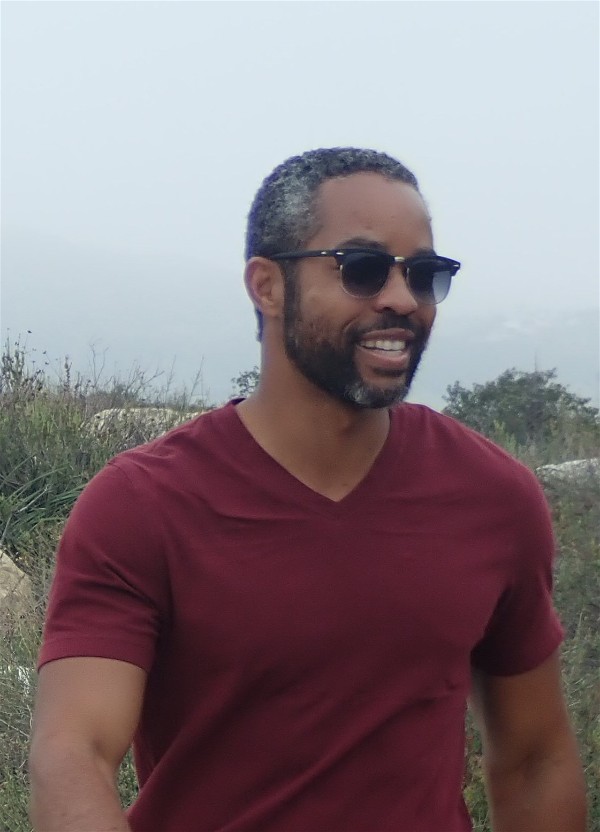
Carlos Grider launched A Brother Abroad in 2017 after a “one-year abroad” experiment turned into a long-term life strategy. After 65+ countries and a decade abroad, he now writes about FIRE, personal finance, geo-arbitrage, and the real-world logistics of living abroad—visas, costs, and tradeoffs—so readers can make smarter global moves with fewer surprises. Carlos is a former Big 4 management consultant and DoD cultural advisor with an MBA (UT Austin) and Boston University’s Certificate in Financial Planning. He’s the author of Digital Nomad Nation: Rise of the Borderless Generation and is currently writing The Sovereign Expat.